CNC Machine Tool Basics: Understanding G/M Codes and the Differences Between Multi-Axis Machining
Introduction
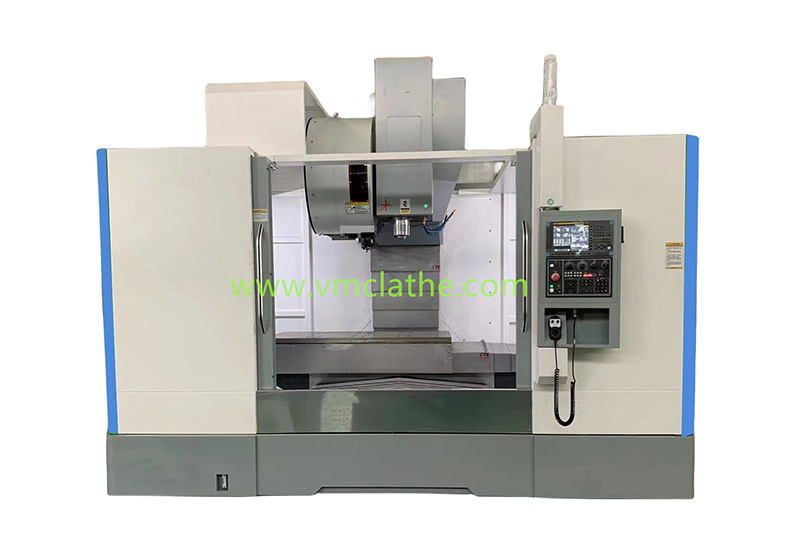
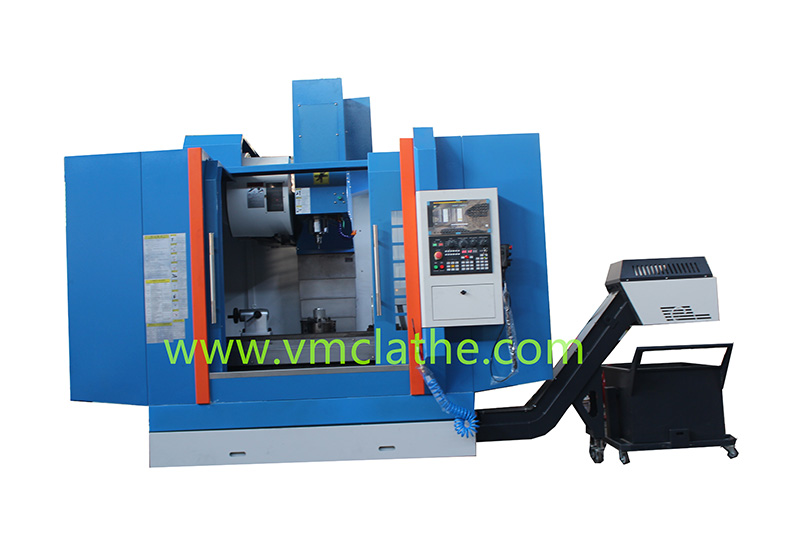
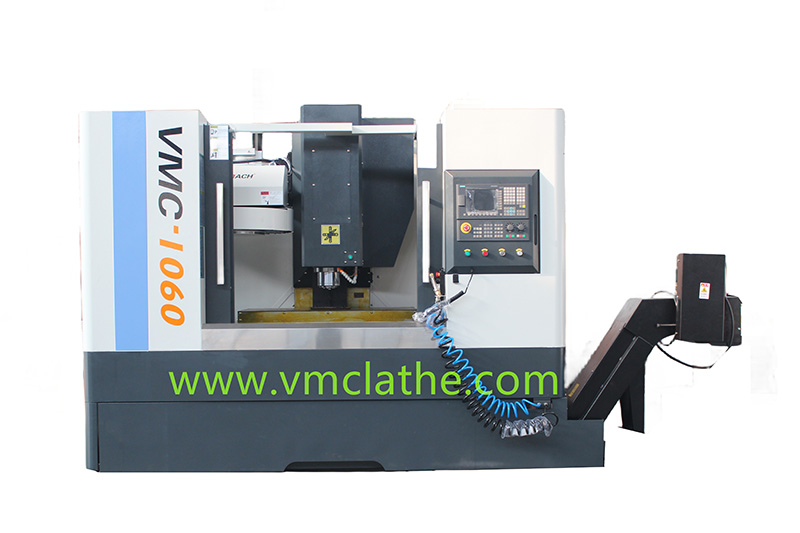
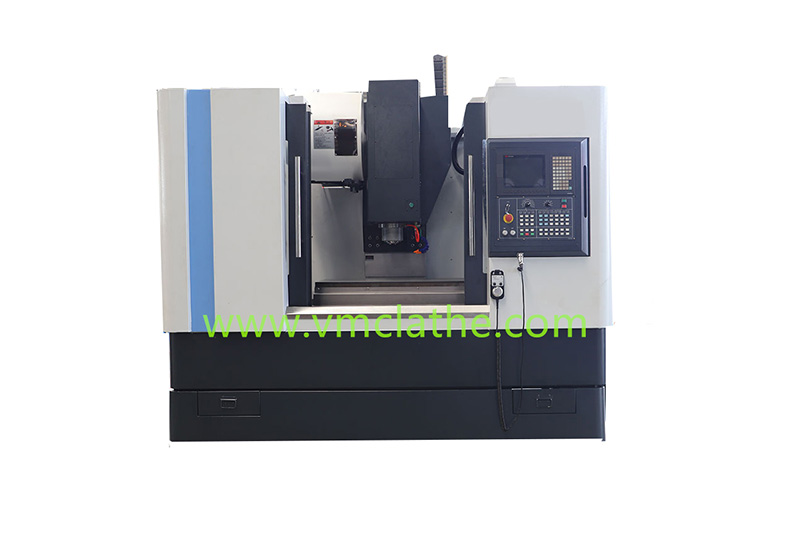
CNC (Computer Numerical Control) machine tools are the core equipment of modern precision manufacturing. With micron-level machining accuracy, CNC machines can achieve results far beyond traditional manual operations.
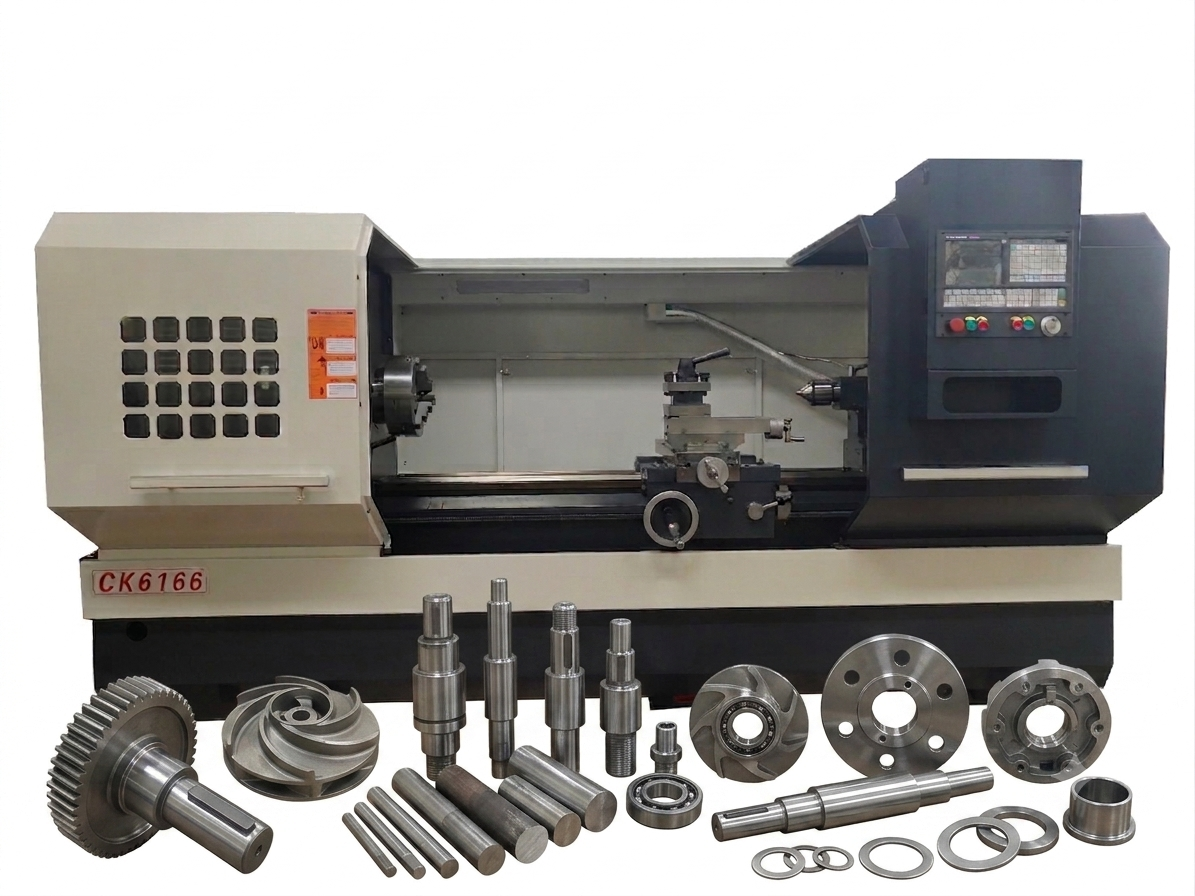
By using programmed tool paths, CNC machines can transform metal blanks into complex components such as impellers, gears, molds, and precision parts with complicated curved surfaces.
1. G Codes and M Codes: Two Essential CNC Programming Commands
In CNC machining, G codes and M codes work together to control machine operations.
G Code: Controlling Tool Movement and Cutting Paths
G codes are mainly used to control:
- Tool movement direction and positioning
- Feed rate during machining
- Cutting paths and machining contours
- Workpiece dimensions and geometry
In simple terms, G codes determine where and how the cutting tool moves, directly affecting the shape and accuracy of the finished part.
M Code: Controlling Auxiliary Machine Functions
M codes control the supporting functions of a CNC machine, including:
- Spindle start and stop
- Coolant on/off
- Automatic tool changing
- Other auxiliary operations
These functions help maintain stable machining conditions, reduce tool wear caused by excessive heat, and prevent deformation of the workpiece during processing.
2. What Are the Differences Between 2-Axis, 3-Axis, 4-Axis, and 5-Axis CNC Machining?
The number of axes determines the movement capability and machining flexibility of a CNC machine.
2-Axis CNC Machining
A 2-axis machine can only move along two directions, usually the X and Y axes.
It is mainly suitable for simple operations such as:
- Flat surface engraving
- Basic contour cutting
- Simple 2D machining
2.5-Axis CNC Machining
A 2.5-axis machine adds Z-axis movement for tool depth control.
However, the three axes cannot move simultaneously in a coordinated way. It is mainly used for:
- Grooves
- Steps
- Simple pockets
- Basic depth machining
3-Axis CNC Machining
A 3-axis CNC machine uses simultaneous movement of the X, Y, and Z axes.
It can machine:
- Standard 3D parts
- Complex surfaces
- Molds and mechanical components
However, it may have limitations when machining:
- Deep cavities
- Undercut structures
- Areas with difficult tool access
4-Axis CNC Machining
A 4-axis CNC machine adds a rotary axis, allowing the workpiece or cutting tool to rotate during machining.
It is suitable for:
- Cylindrical components
- Parts requiring machining from multiple angles
- Medium-complexity curved surfaces
The additional rotary movement reduces the need for multiple setups and improves machining efficiency.
5-Axis CNC Machining
A 5-axis CNC machine combines three linear axes (X, Y, Z) with two rotary axes.
The cutting tool angle can be adjusted freely during machining, allowing the machine to process complex parts in a single setup.
Typical applications include:
- Aerospace impellers
- Medical components
- Precision molds
- Complex curved parts
The biggest advantage of 5-axis machining is reducing setup time and reaching areas that are difficult or impossible to machine with traditional 3-axis equipment.
3. Modern CNC Machining Process: From CAD Design to Finished Parts
Writing complex CNC programs manually, especially for 5-axis machining, is extremely challenging.
Today, most manufacturers use a CAD/CAM workflow:
- CAD software is used to create a 3D model of the part.
- CAM software automatically generates machining tool paths and CNC programs.
- The machining process is simulated to check for:
- Tool collisions
- Over-cutting
- Machining errors
- After verification, the CNC program is transferred to the machine for actual production.
This digital workflow improves machining accuracy, efficiency, and production reliability.
4. The History of CNC Machine Tools
The development of CNC technology began in the 1940s.
John T. Parsons, working on improving the machining of helicopter blades, collaborated with the Massachusetts Institute of Technology (MIT) to develop early numerical control technology.
In 1952, the first NC milling machine was introduced. Over the following decades, numerical control technology continued to evolve into today’s advanced CNC machine tools with multi-axis machining capabilities.
Conclusion
The number of axes represents the degrees of freedom of a CNC machine.
Generally, the more axes a machine has, the more complex shapes and precision components it can manufacture.
By combining CNC programming, advanced CAD/CAM technology, and precise mechanical movement, modern CNC machines can transform ordinary metal blanks into high-value components used in industries such as aerospace, medical equipment, automotive manufacturing, and mold production.
CNC machining technology continues to play a fundamental role in supporting advanced manufacturing worldwide.