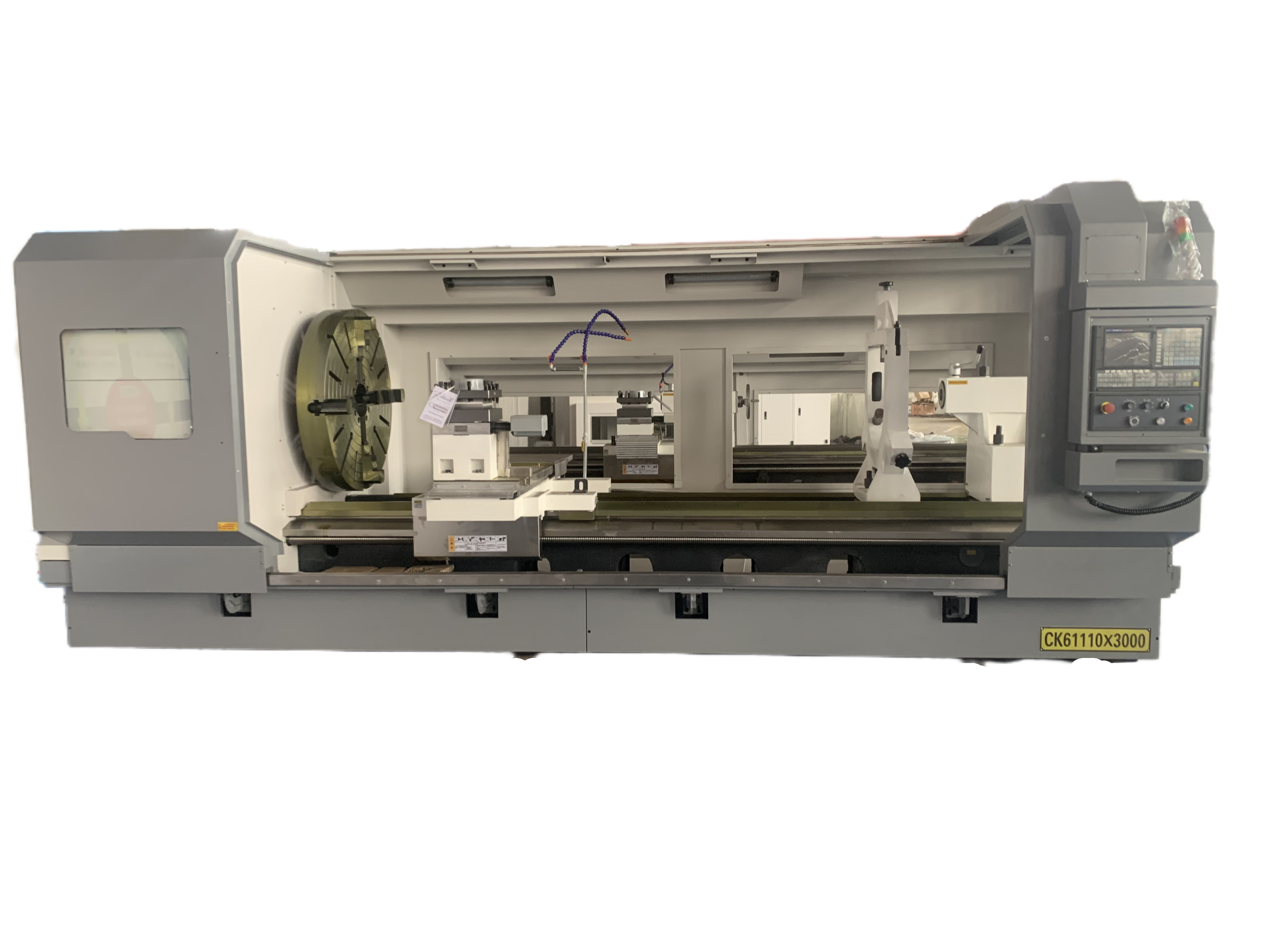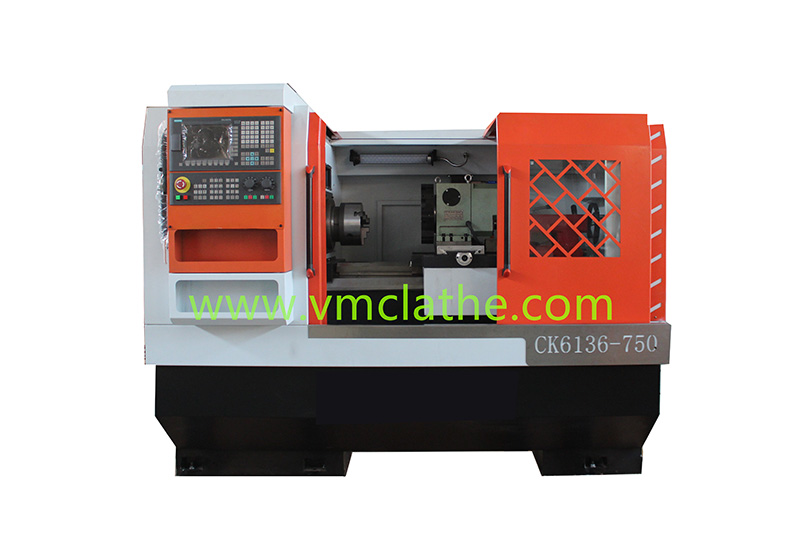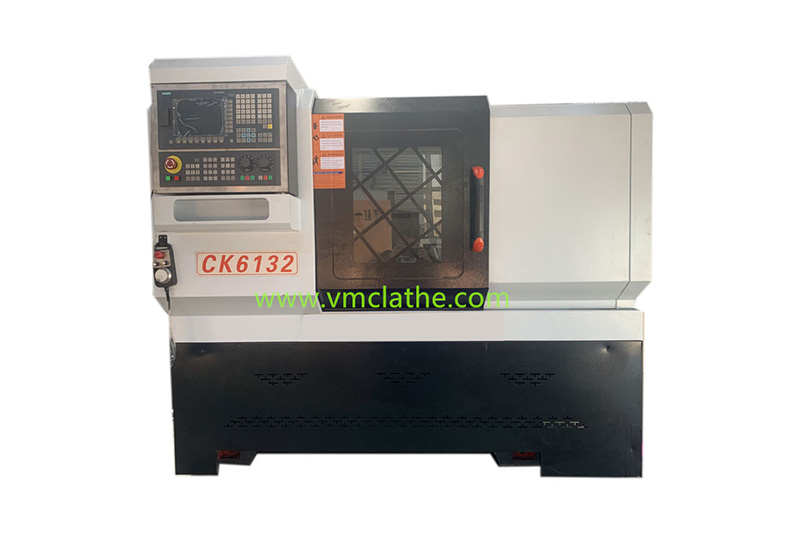
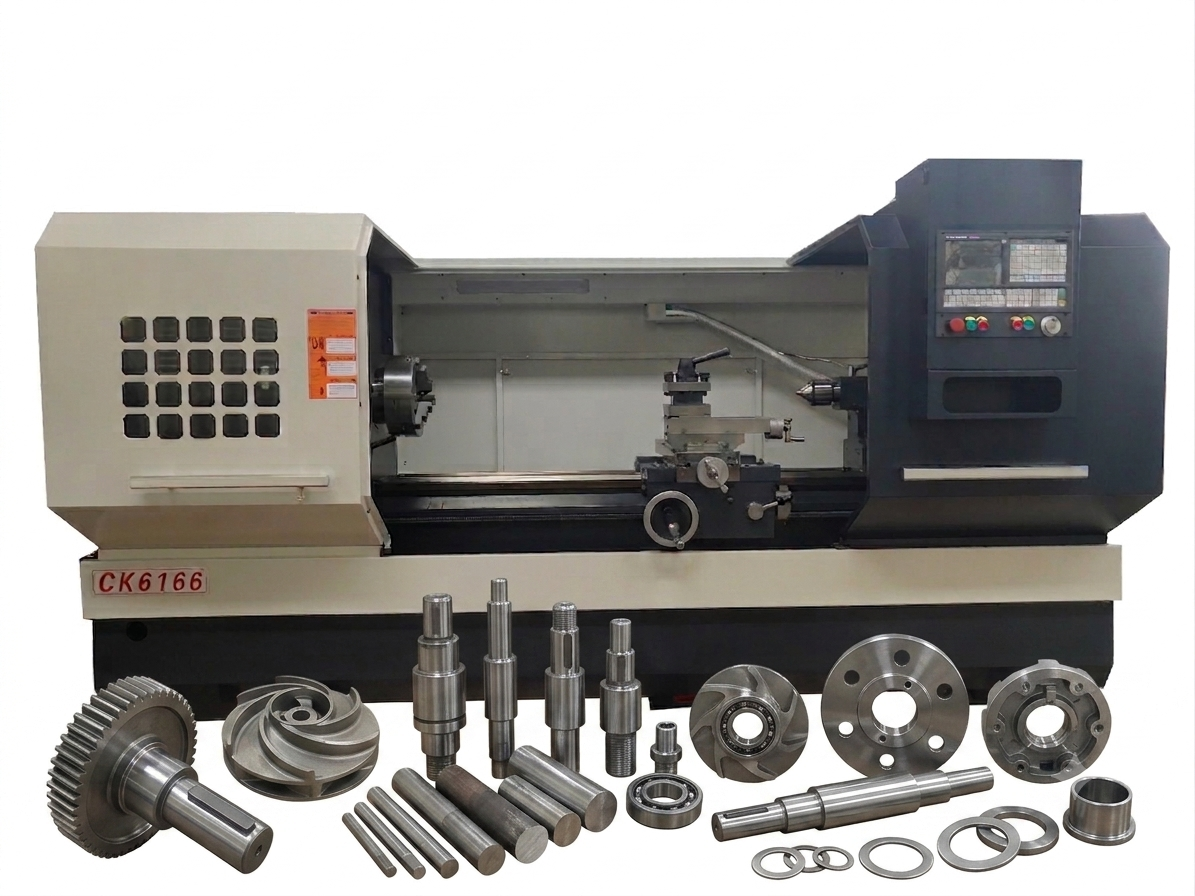
How to Machining a Drive Shaft on a Flat-Bed CNC Lathe?

Table of Contents

Key Process Steps in Drive Shaft Machining

1. Blank Preparation and Clamping

A. Blank Selection: Select hot-rolled round steel (e.g., 60mm diameter, 250mm length) based on the drive shaft dimensions. The material is typically 45 steel, which meets general transmission requirements.

B. Clamping Plan:
a) First Clamping: Clamp the outer diameter of the blank using a three-jaw self-centering chuck, turn the end face, and drill the center hole to provide a reference for subsequent machining.
b) Second Clamping: Clamp the machined cylindrical surface (e.g., 30mm diameter) using soft jaws. Double-center positioning ensures coaxiality and reduces clamping errors.

2. Rough Machining Stage

A. External Rough Turning: Use a carbide rough turning tool and the G71 cycle command to quickly remove most of the stock, leaving a 0.5-1mm finishing allowance. B. Thread Pre-machining: If the drive shaft includes threads (e.g., M30×2-6g), the thread base diameter (e.g., 29.8mm diameter) must be machined first to provide a foundation for subsequent thread turning.

3. Finishing Stage

A. External Finish Turning: Use a finishing turning tool, control the cutting depth (e.g., 0.25mm) and feed rate to achieve a surface roughness of Ra 0.8-1.6μm.
B. Thread Machining: Use a 60° thread cutter and execute G92 or G76 commands in multiple cuts (rough turning ap = 0.4mm, finish turning ap = 0.1mm) to ensure thread accuracy.
C. Grooving and Arc Machining:
a) Grooving: Use a 4mm-width grooving tool to create undercuts or grinding wheel overtravel grooves.
b) Arc Surfaces: Use an external turning tool with a negative 30° deflection angle and execute G02/G03 commands to create arc surfaces such as R6 and R5 to avoid interference. 4. Special Structural Machining
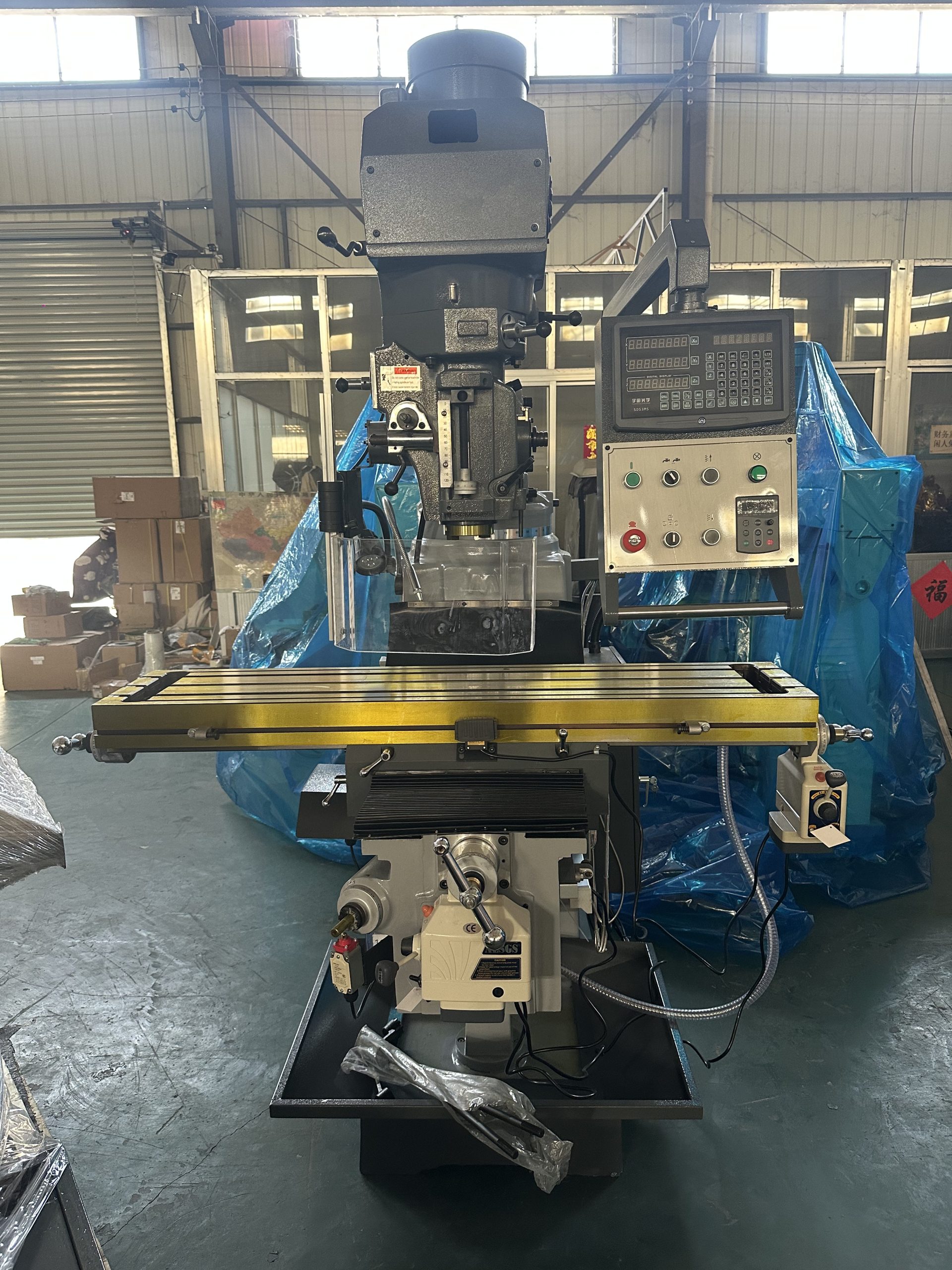
A. Keyway Machining: If the drive shaft includes a keyway, it must be milled on a milling machine after semi-finish turning and before fine grinding to ensure positioning reference accuracy.
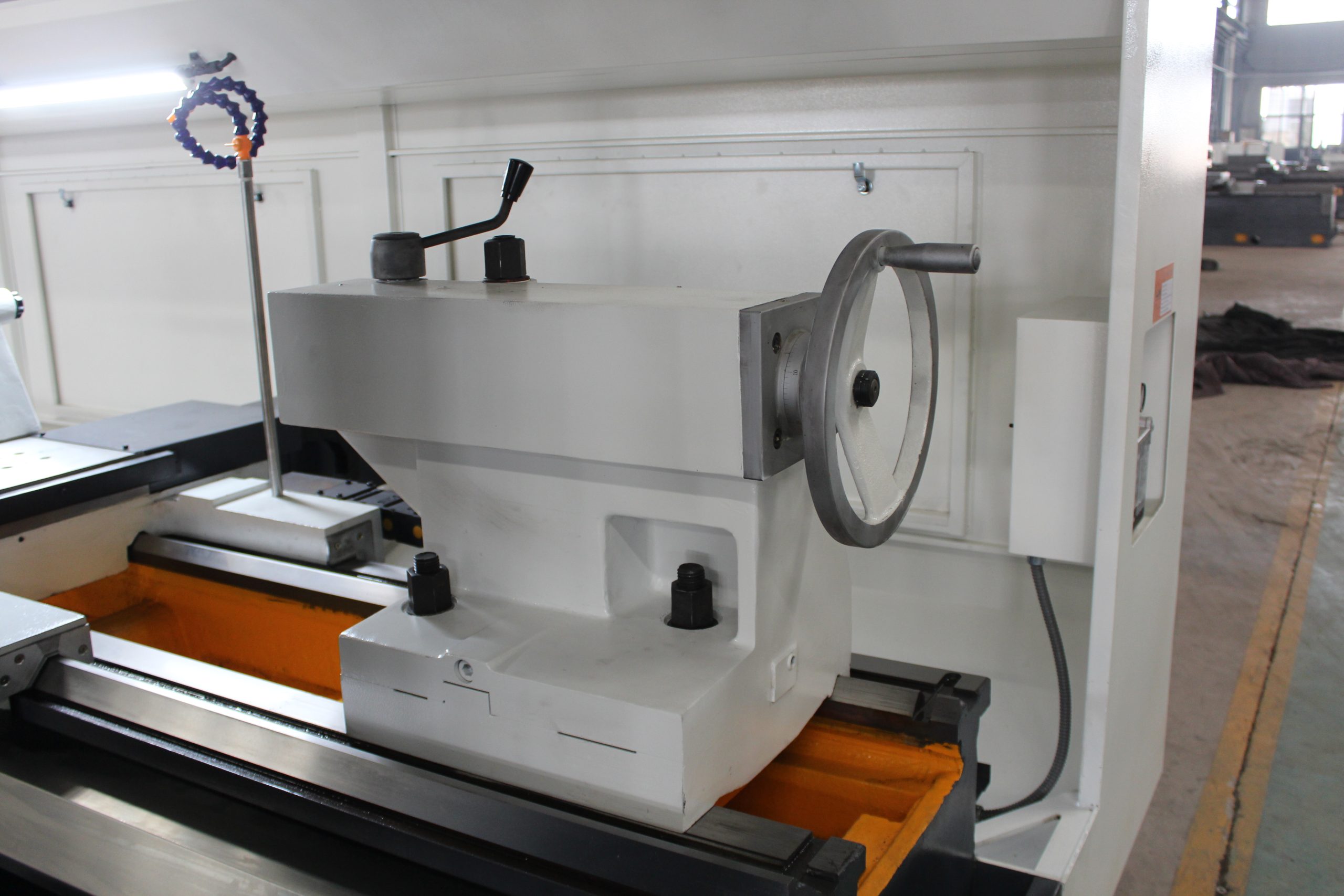
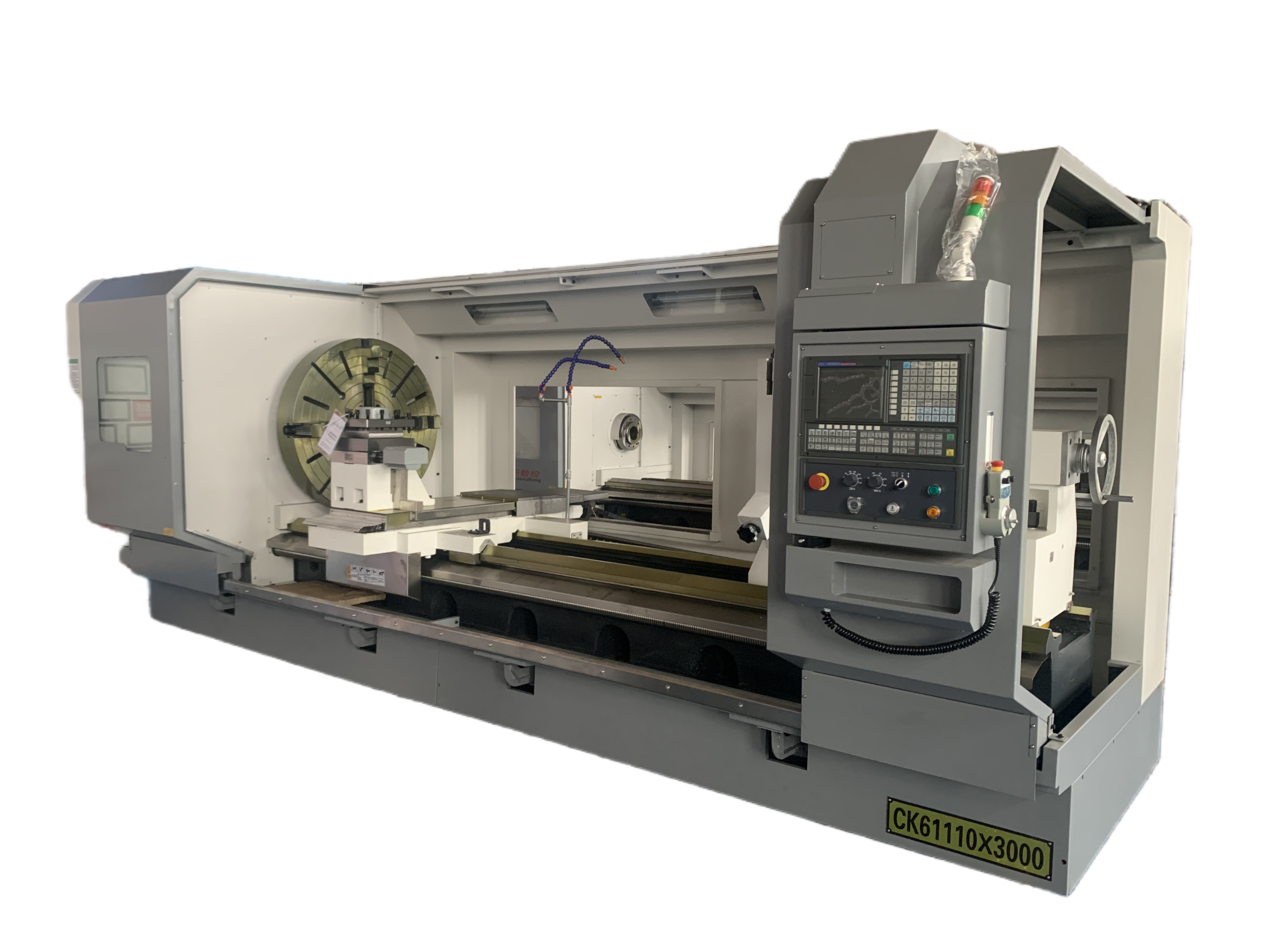
B. Deep Hole Machining: For drive shafts with a center hole, a workpiece rotation and tool axial feed method is used. Drill the hole with a twist drill and then fine turn the inner hole.

Picture of Lisa Du

Lisa Du

As a sales representative with more than ten years of CNC machine tool sales experience, I rely on my profound knowledge and experience to select the most suitable machine tools for customers based on their specific needs to facilitate efficient production. In the field of CNC machine tools, I always uphold professionalism and integrity and am committed to providing customers with excellent services.

Get In Touch
Welcome To Share This Page:
Product Categories
Latest News
Get A Free Quote Now !
Contact Form Demo (#3)

Related Products

Related News

  A slant bed CNC lathe is widely used for precision turning of shafts, flanges, bushings, and other complex metal parts. When equipped with a

How to Use a CNC Machining Center for Efficient Batch Production Learn how a CNC machining center improves batch production with higher accuracy, faster cycle

Introduction As manufacturers continue to demand greater precision, higher productivity, and lower operating costs, compact machining equipment has become increasingly popular. For workshops producing small

Why Choose a Dedicated Slant Bed CNC Lathe for Seal Ring Machining? Why Seal Ring Machining Requires a Specialized CNC Lathe Seal rings are widely

  A CNC milling machine is one of the most important pieces of equipment in modern manufacturing. Whether you’re machining aerospace components, automotive parts, molds,

One of the most common mistakes buyers make when purchasing a CNC lathe is selecting the spindle bore based only on the diameter of the

In today’s highly competitive metal hardware industry, manufacturers are constantly looking for ways to improve productivity, machining accuracy, and profitability. Whether producing shafts, fittings, fasteners,

In the world of metalworking, milling machines play a crucial role in producing precision parts for industries such as automotive, aerospace, mold making, medical equipment,

Thread machining is one of the most common operations performed on a CNC lathe. Whether producing shafts, fittings, hydraulic components, automotive parts, or industrial machinery

Get A Free Quote Now!

If have any requests, please feel free to contact us, we will be eager to serve you.

Scroll to Top

Get A Free Quote Now !

Contact Form Demo (#3)