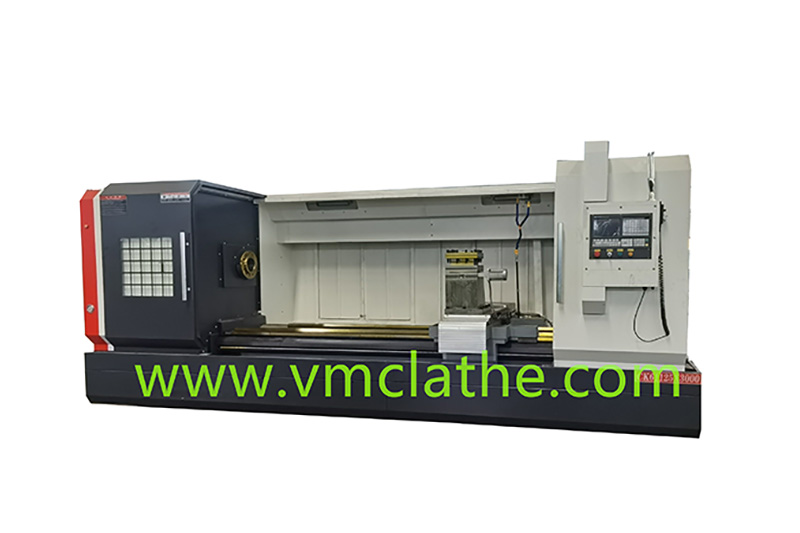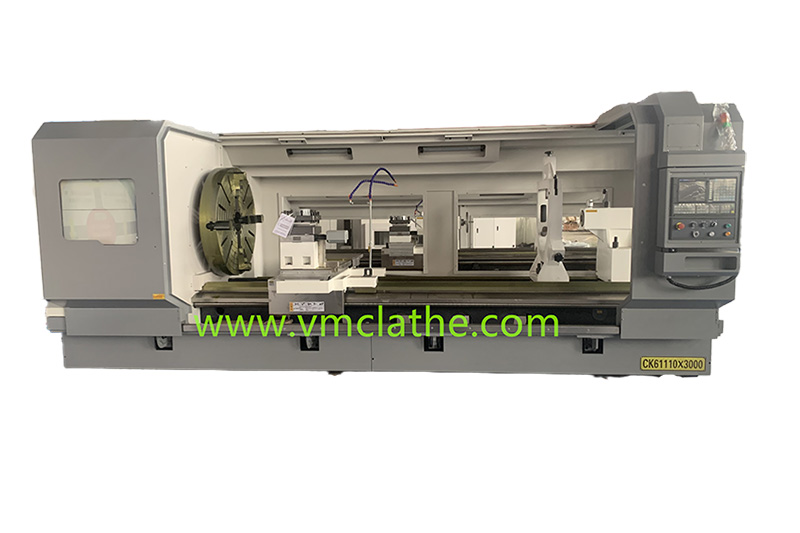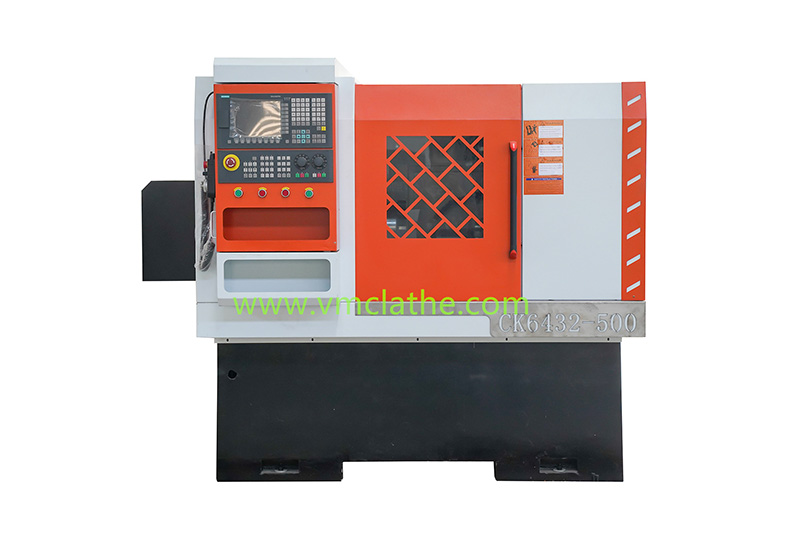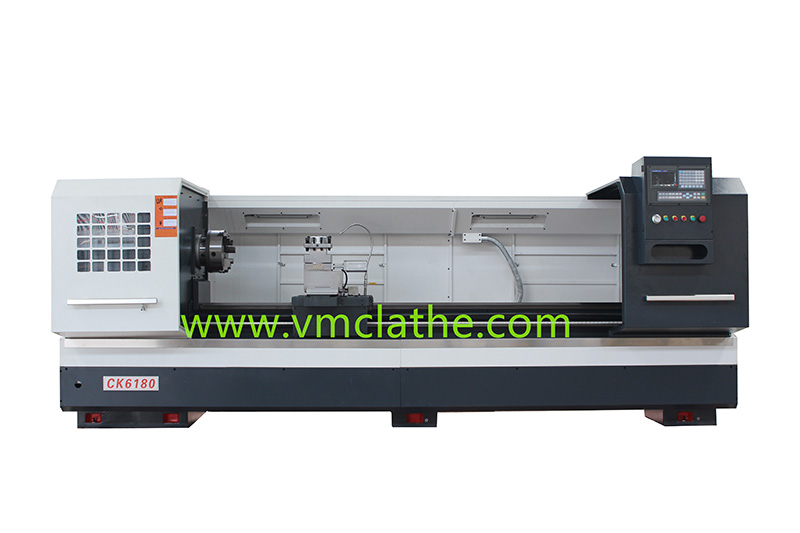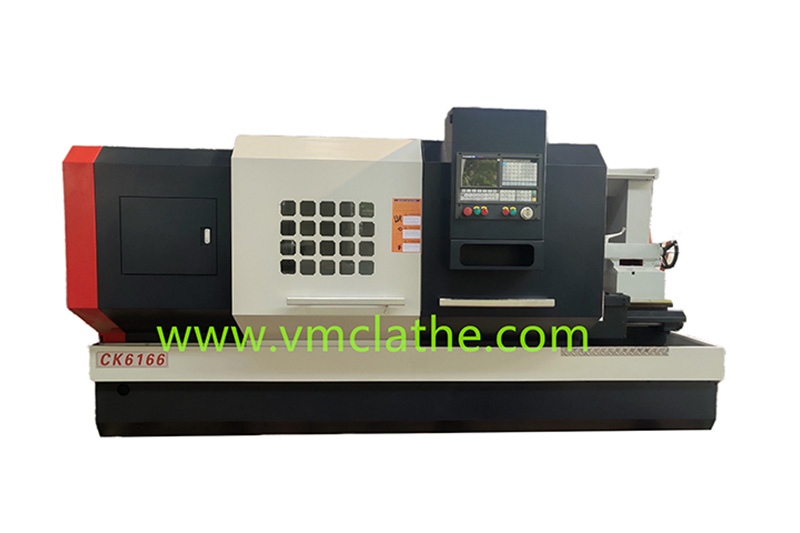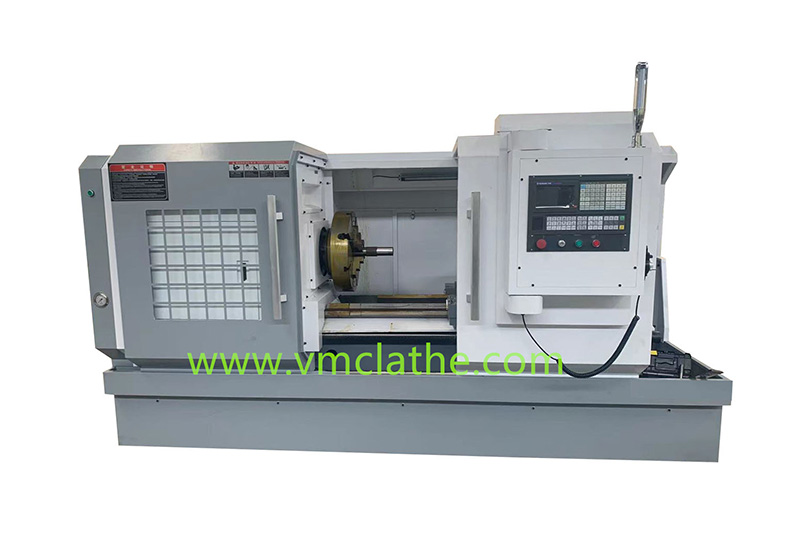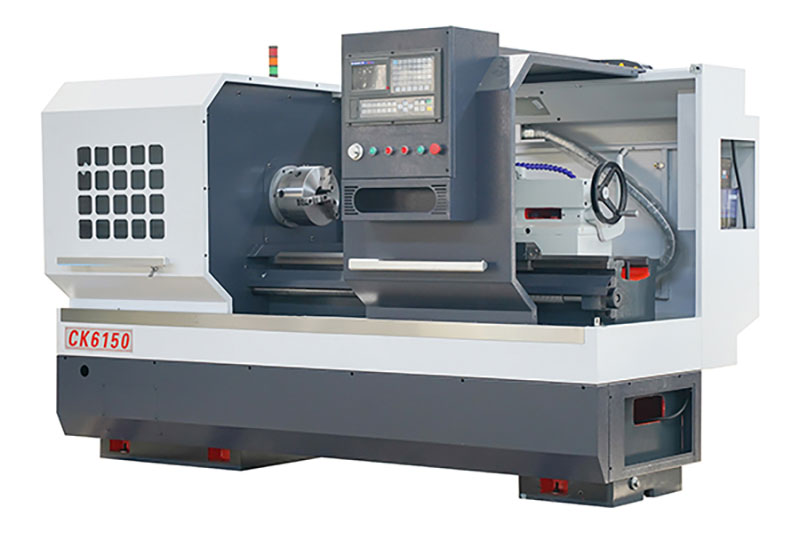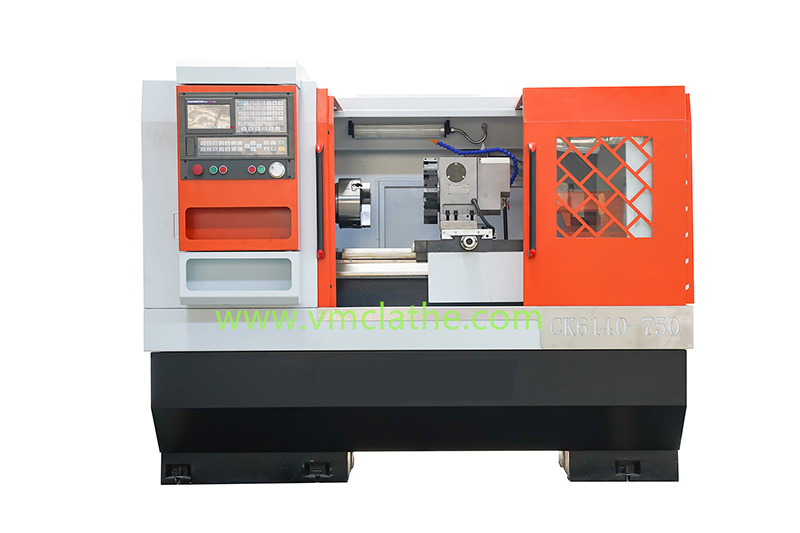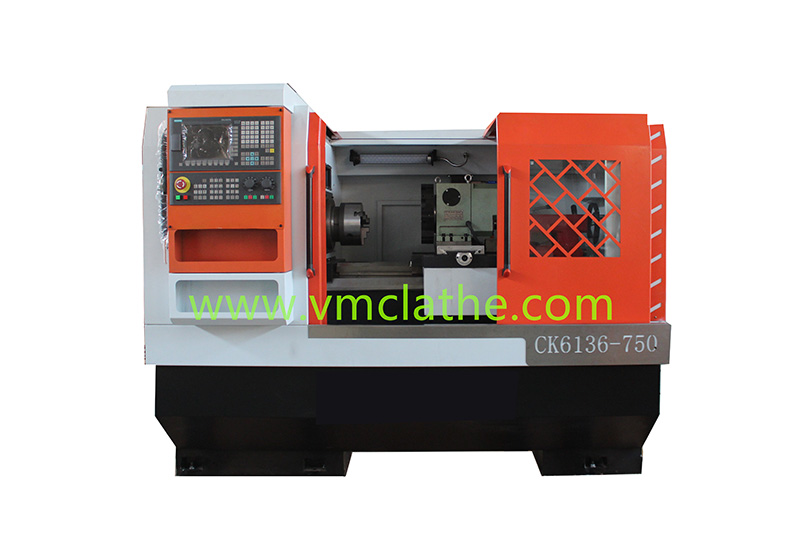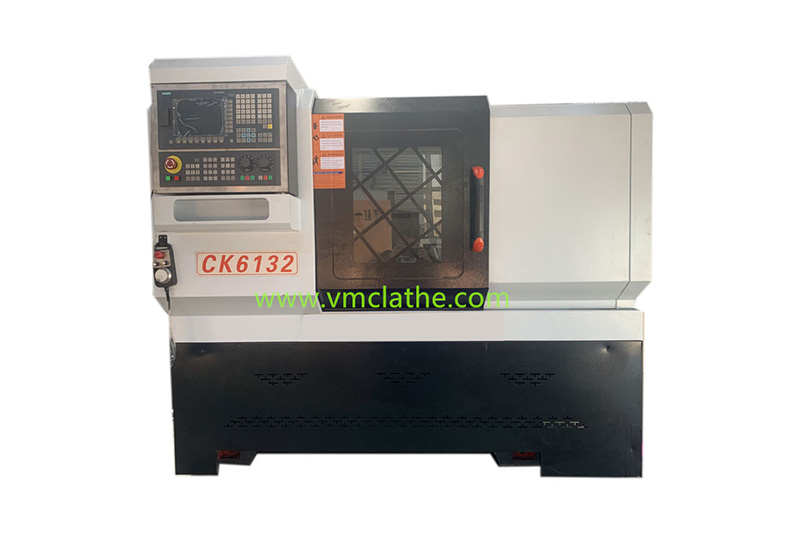
Choosing a CNC lathe for metal processing is a decision-making process that requires comprehensive consideration of many factors. The following is a practical guide to help you choose the right equipment according to your actual needs.
1. Clarify processing needs and goals
a) Processing materials
Determine the type of metal material (such as steel, aluminum, copper, etc.) and its hardness, toughness and other characteristics that are mainly processed. Different materials have different requirements for the cutting force, speed and tool of the lathe.
i. Example: A lathe with stronger rigidity and higher power is required for processing high-hardness steel.
b) Processing size and accuracy
Clarify the maximum size, tolerance range and surface roughness requirements of the processed parts.
i. Example: A high-precision spindle and guide rail system is required for precision part processing, such as a lathe driven by a linear motor.
c) Production batch and efficiency
Evaluate the production scale (single piece, small batch or large batch) and processing cycle requirements to determine the degree of automation of the lathe (such as whether an automatic loading and unloading system is required).
2. Evaluation of core performance parameters
a) Spindle performance
i. Speed range: Select the appropriate spindle speed according to the processing material (e.g. high speed for high-speed steel tools, low speed and high torque for carbide tools).
ii. Power and torque: Ensure that the spindle power and torque meet the maximum cutting load requirements.
iii. Spindle runout accuracy: For high-precision processing, a lathe with a spindle runout of ≤1μm should be selected.
b) Feed system
i. Fast feed speed: affects non-cutting time, high-speed processing requires ≥30m/min.
ii. Cutting feed speed: Select the appropriate feed range according to the material and tool (e.g. aluminum alloy can reach 10,000mm/min).
iii. Resolution and repeat positioning accuracy: precision processing requires ≤0.001mm.
c) Turret and tool system
i. Turret form: servo turret (fast tool change speed) or hydraulic turret (high stability).
ii. Number of tools: Select according to the complexity of the process (such as 8-12 tool positions).
iii. Tool holder specifications: Ensure compatibility with existing tools (such as BT40, HSK-A63, etc.).
3. Machine tool structure and reliability
a) Bed structure
i. Cast iron bed: good rigidity, suitable for heavy cutting.
ii. Artificial marble bed: excellent thermal stability, suitable for precision machining.
iii. Linear rails and hard rails: Linear rails (high speed, low friction) or hard rails (heavy load, high rigidity).
b) Protection and chip removal
i. Full protection design: prevent chips and coolant splashing.
ii. Automatic chip removal system: chain plate or scraper chip conveyor to ensure continuous chip removal capability.