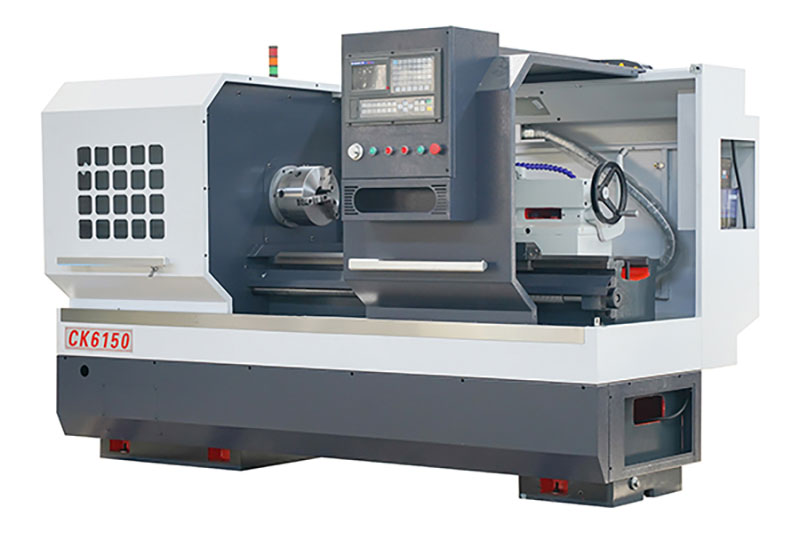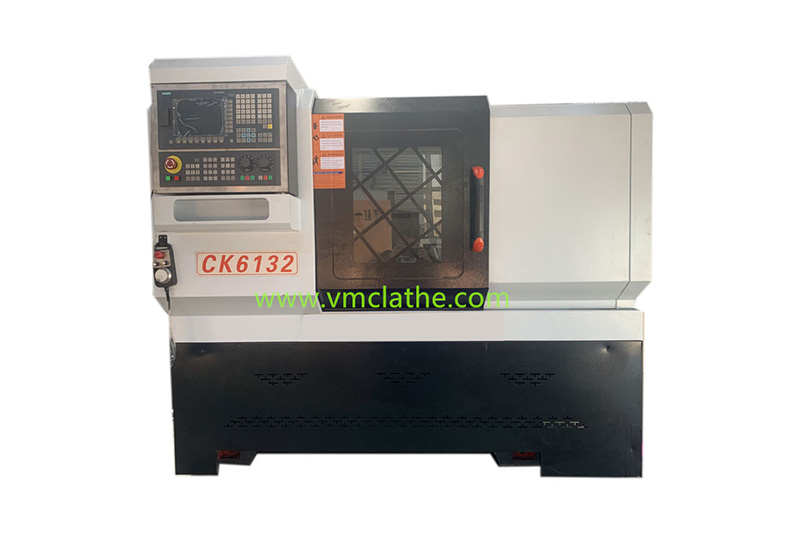
Medical device manufacturing is one of the most demanding industries in modern machining. High precision, excellent surface finish, and strict dimensional consistency are essential requirements for every component.
Many manufacturers wonder whether a flat bed CNC lathe is suitable for medical applications. The answer is yes—especially for machining cylindrical medical parts and semi-finished components.
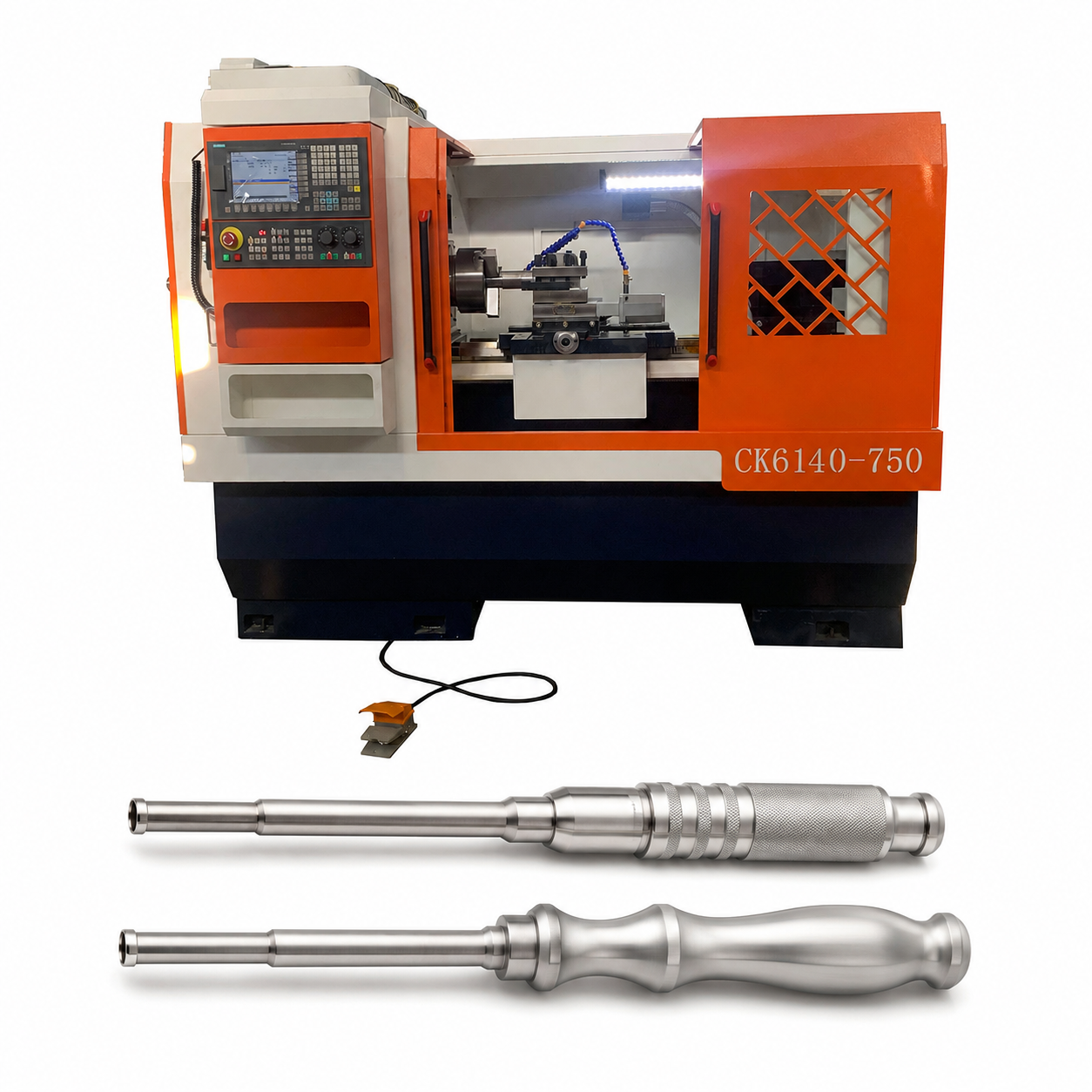
What Medical Parts Can Be Machined on a Flat Bed CNC Lathe?
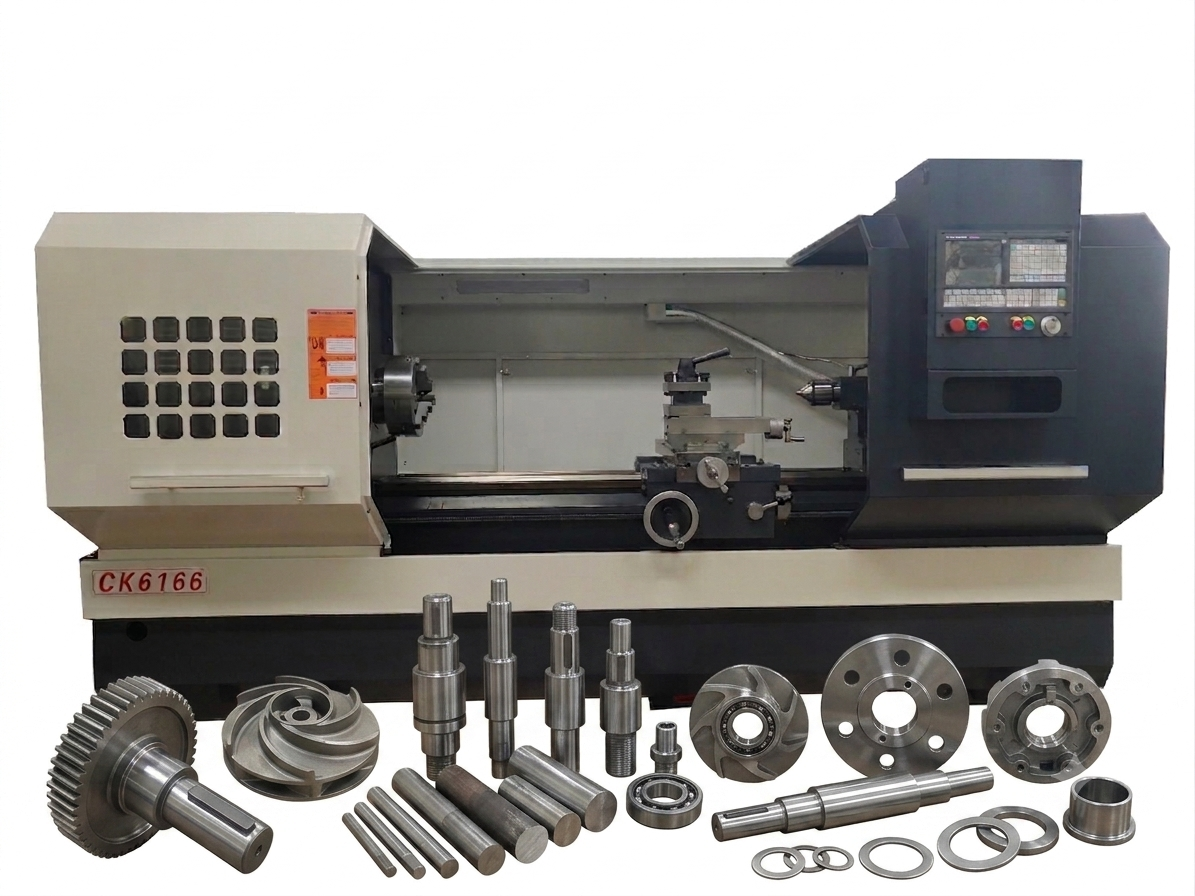
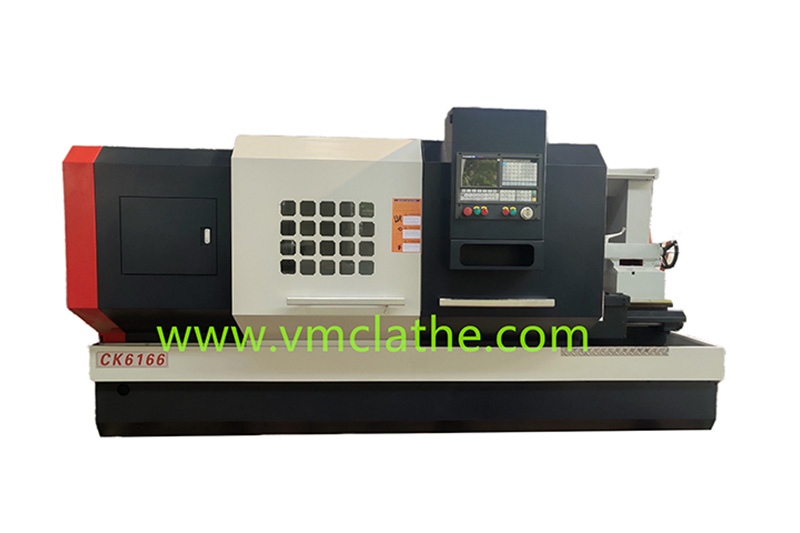
A flat bed CNC lathe is designed for turning operations and is highly effective for producing rotationally symmetrical parts.
Typical medical components include:
* Surgical instrument handles
* Medical shafts
* Stainless steel connectors
* Dental implant blanks
* Bone screw blanks
* Prosthetic components
* Medical tubing fittings
* Orthopedic component blanks
These parts usually require operations such as:
* External turning
* Internal boring
* Facing
* Grooving
* Thread cutting
* Chamfering
A CNC lathe can complete these operations with excellent repeatability and efficiency.
## Why Are Flat Bed CNC Lathes Used in Medical Manufacturing?
### 1. High Dimensional Accuracy
Medical components often require tight tolerances.
Modern CNC lathes can achieve stable machining accuracy, ensuring consistent quality across large production batches.
### 2. Excellent Surface Finish
Many medical parts are made from stainless steel, titanium alloys, or other difficult-to-machine materials.
A rigid flat bed CNC lathe helps reduce vibration and improves surface quality during machining.
3. Cost-Effective Production
Compared with more complex machining systems, flat bed CNC lathes offer a lower investment cost while maintaining high productivity.
For manufacturers producing shafts, connectors, sleeves, and similar components, a CNC lathe is often the most economical solution.
4. Easy Programming and Operation
Medical component manufacturers frequently process parts with similar geometries.
CNC turning programs can be stored and reused, improving efficiency and reducing setup time.
Common Materials Used in Medical Components
A flat bed CNC lathe can machine various materials used in the medical industry, including:
* Stainless Steel 304
* Stainless Steel 316L
* Titanium Alloys
* Aluminum Alloys
* Brass
* Engineering Plastics
The machine can be configured with suitable tooling and cutting parameters for each material.
Limitations of Flat Bed CNC Lathes
Although CNC lathes are highly effective for turning operations, they are not designed for every type of medical component.
Complex parts requiring:
* Multi-axis milling
* Curved surfaces
* Complex contours
* Simultaneous milling and turning
may require machining centers, Swiss-type lathes, or turn-mill machines.
Therefore, a flat bed CNC lathe is best suited for cylindrical medical parts and pre-machining operations.
Choosing the Right CNC Lathe for Medical Parts
When selecting a CNC lathe for medical manufacturing, consider:
* Required machining accuracy
* Maximum workpiece size
* Material type
* Production volume
* Automation requirements
A rigid machine structure, high-quality spindle system, and reliable CNC controller are essential for achieving consistent machining results.
Conclusion
Flat bed CNC lathes play an important role in medical device manufacturing. They are widely used for producing shafts, connectors, sleeves, implant blanks, and many other cylindrical medical components.
For manufacturers seeking an economical and reliable solution for precision turning, a flat bed CNC lathe remains an excellent choice.
If you are looking for a CNC lathe for medical component machining, contact us to discuss your application requirements and find the most suitable machine for your production needs.