In the fast-paced world of modern manufacturing, efficiency, precision, and cost-effectiveness are the pillars of success. If your machine shop is still relying heavily on traditional 3-axis setups or manual processes, you might be bottlenecking your own growth.
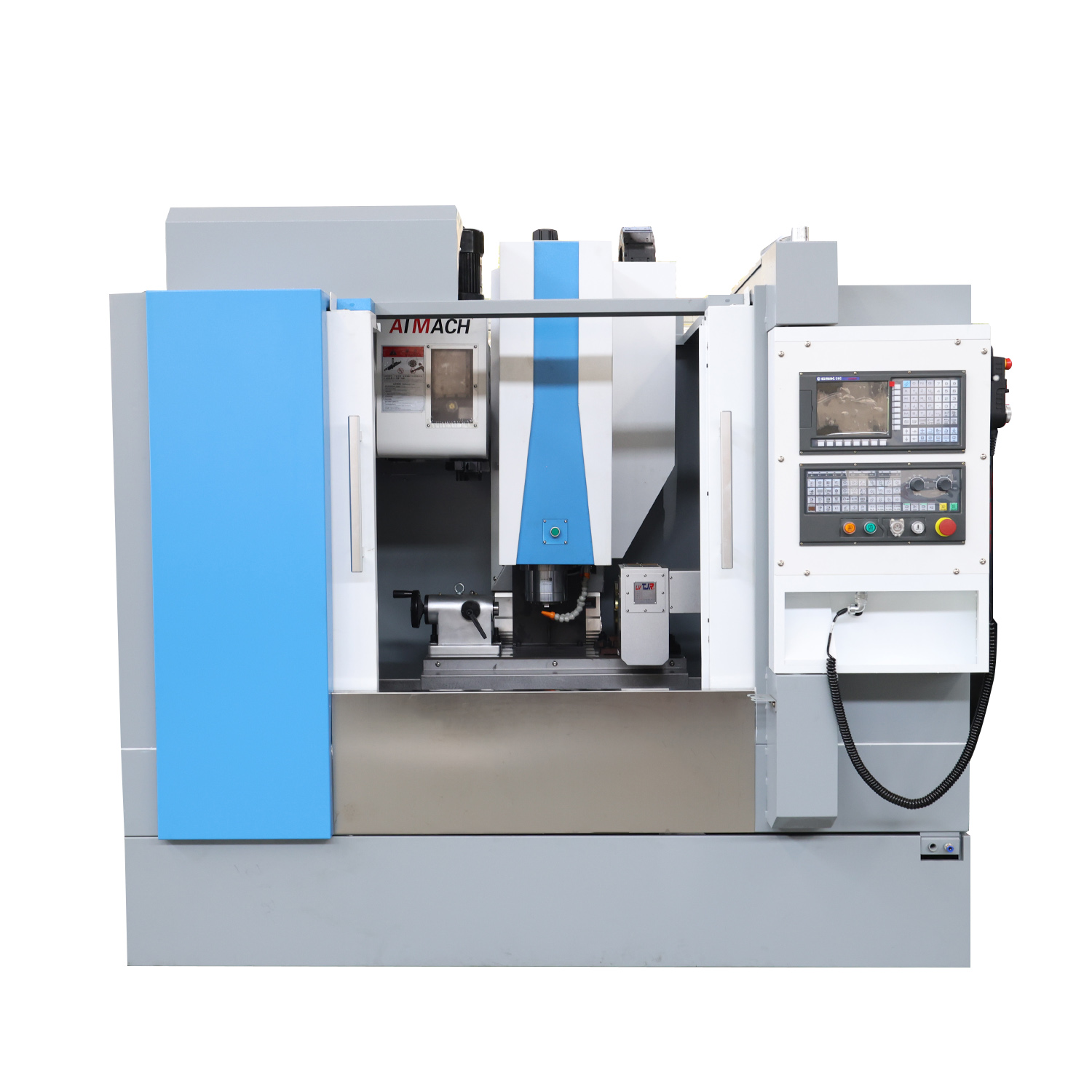
Investing in a advanced 4-axis CNC machining center is one of the most strategic moves a business can make to streamline operations. But how exactly does this piece of machinery transform your shop floor? Let’s dive into how upgrading to a 4-axis CNC machining center can optimize your production workflow and boost your bottom line.
1. Drastic Reduction in Setup Times
In a traditional manufacturing setup, complex parts often require multiple setups. Every time a operator has to manually reposition a workpiece, production stops, errors can creep in, and valuable time is wasted.
A 4-axis CNC machining center introduces an extra dimension of movement—typically the A-axis (rotation around the X-axis). This allows the cutting tool to approach the workpiece from different angles without removing it from the fixture.
-
The Workflow Fix: You go from 3 or 4 separate setups down to just one or two.
-
The Result: Less downtime, less human error, and a massive spike in daily output.
2. Enhanced Precision and Fewer Quality Control Bottlenecks
Every time a part is re-clamped in a machine, there is a risk of misalignment. In high-precision industries like aerospace, medical, and automotive, even a micrometer of variance can lead to scrapped parts.
Because a 4-axis CNC machining center completes multiple operations in a single clamping cycle, the geometric relationships between different faces of the part remain perfectly accurate.
3. Unlocking Complex Geometry Capabilities
Are you turning down lucrative contracts because the part designs are too complex for your current equipment?
Standard 3-axis machines struggle with undercuts, angled holes, and intricate contours. A 4-axis CNC machining center can easily handle continuous cutting along a rotational path.
[3-Axis Work]: X, Y, Z planes only Limited to flat or simple surfaces.
[4-Axis Work]: X, Y, Z + A (Rotation) Smooth continuous curves, angled pockets, and cylindrical engraving.
By expanding your capabilities, you don’t just optimize your current workflow; you open the door to high-margin industries that require sophisticated components.
4. Reduced Tool Wear and Faster Cycle Times
Optimizing a workflow isn’t just about how fast a machine moves; it’s about how efficiently it cuts. With the added rotational axis of a 4-axis CNC machining center, the machine can maintain the optimal angle of attack between the cutting tool and the workpiece material.
-
Shorter Tools: You can often use shorter, more rigid cutting tools because the workpiece can tilt toward the spindle. Shorter tools mean less vibration (chatter).
-
Faster Feeds: Less vibration allows for faster feed rates and spindle speeds, drastically cutting down the overall cycle time per part.
-
Longer Tool Life: Consistently correct tool engagement extends the lifespan of your expensive carbide cutters, cutting down your tooling overhead.
5. Maximizing Floor Space and Labor Efficiency
Adding more 3-axis machines to meet higher demand requires more floor space and, crucially, more operators to run them. In today’s tight labor market, finding skilled machinists is a major challenge.
A single 4-axis CNC machining center can often do the work of two or three traditional machines due to its multitasking capabilities.
-
Space Saving: Consolidate your production line into a smaller footprint.
-
Labor Optimization: One operator can tend to a 4-axis machine that runs longer cycles automatically, freeing them up to handle programming or other high-value tasks around the shop.
Conclusion: Making the Strategic Leap
Optimizing your production workflow isn’t about working harder; it’s about manufacturing smarter. Investing in a 4-axis CNC machining center directly addresses the most common pain points in modern machine shops: excessive setup times, human error, geometric limitations, and high labor dependency.
If you are ready to scale your production, reduce lead times, and outpace the competition, upgrading to a high-performance CNC machining center is the definitive next step for your business.