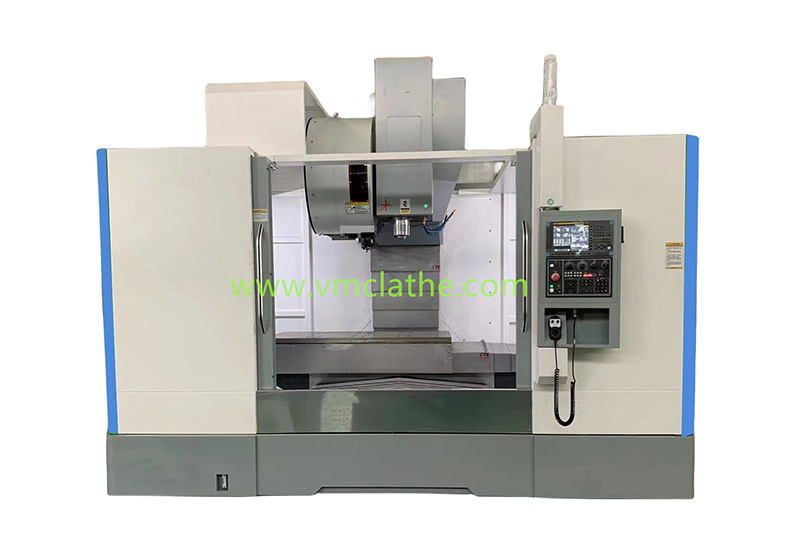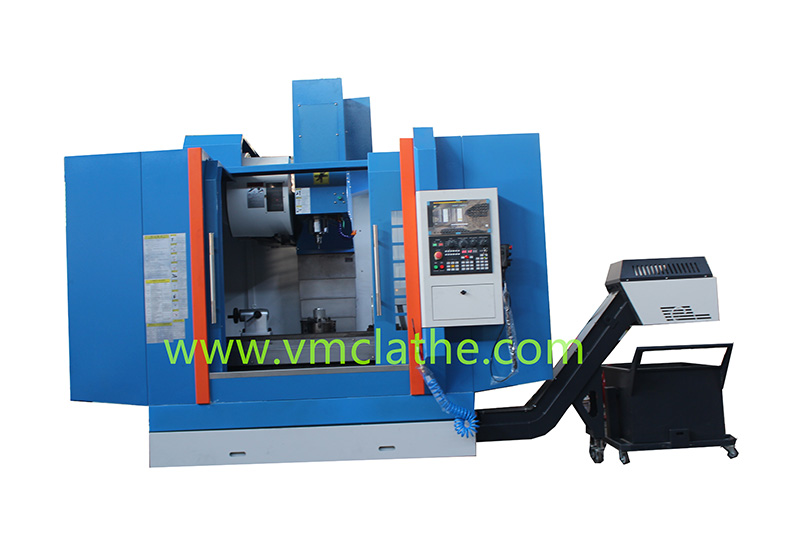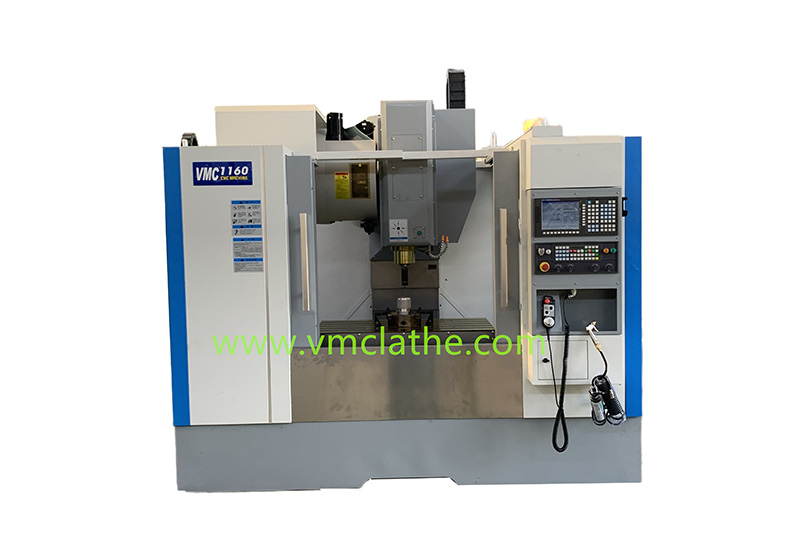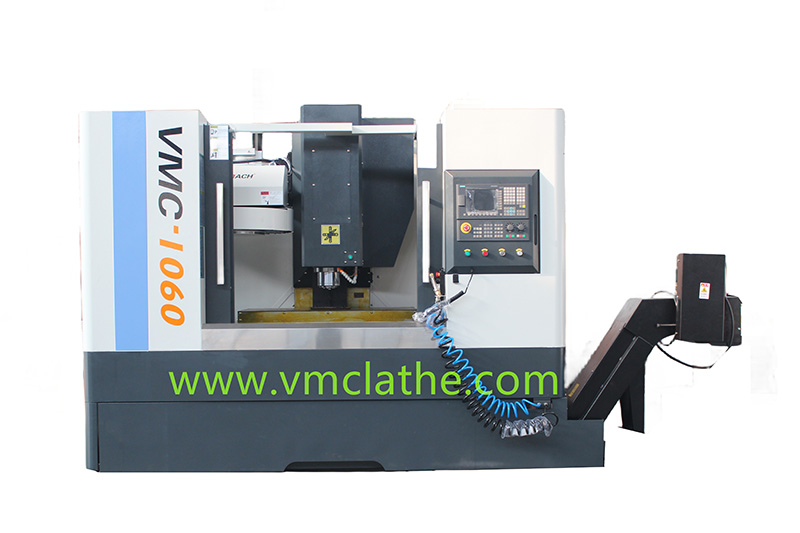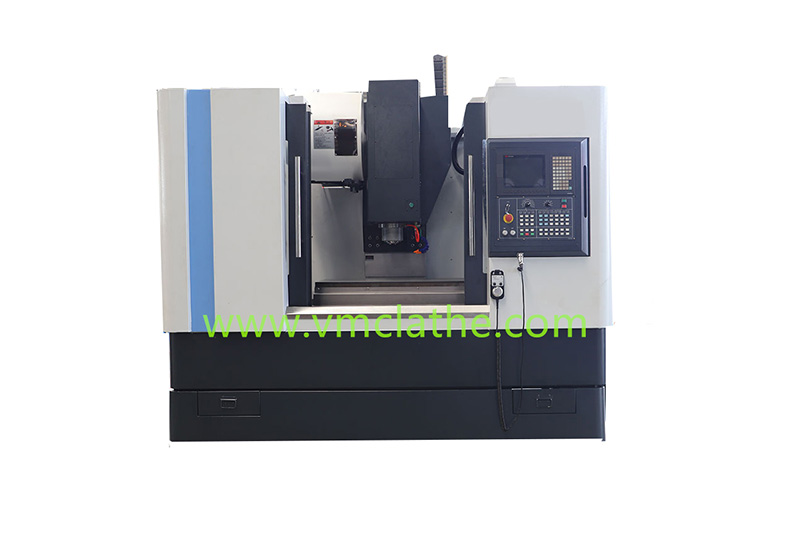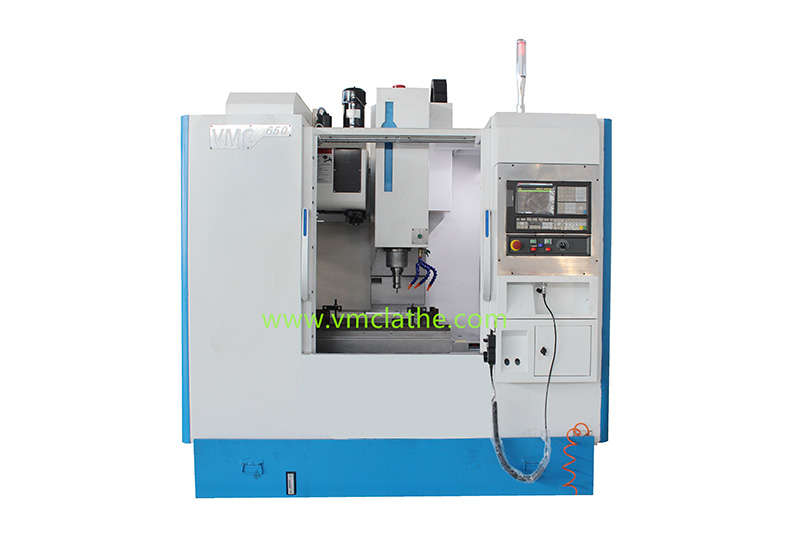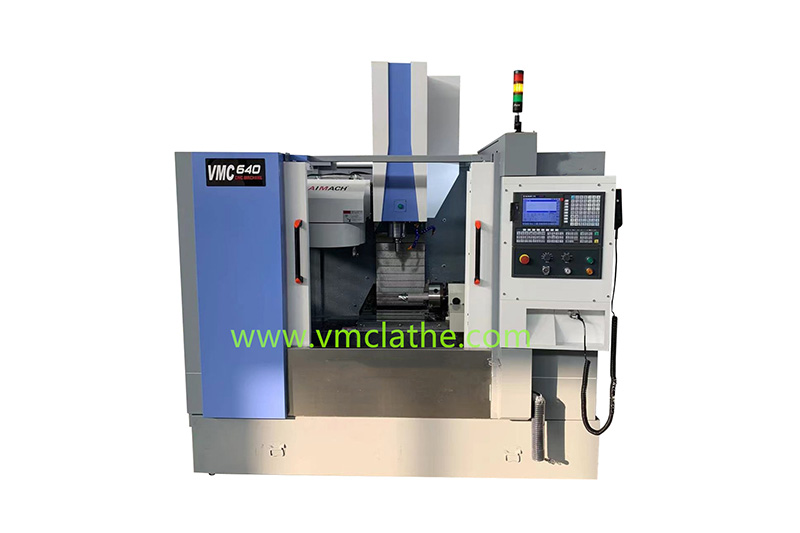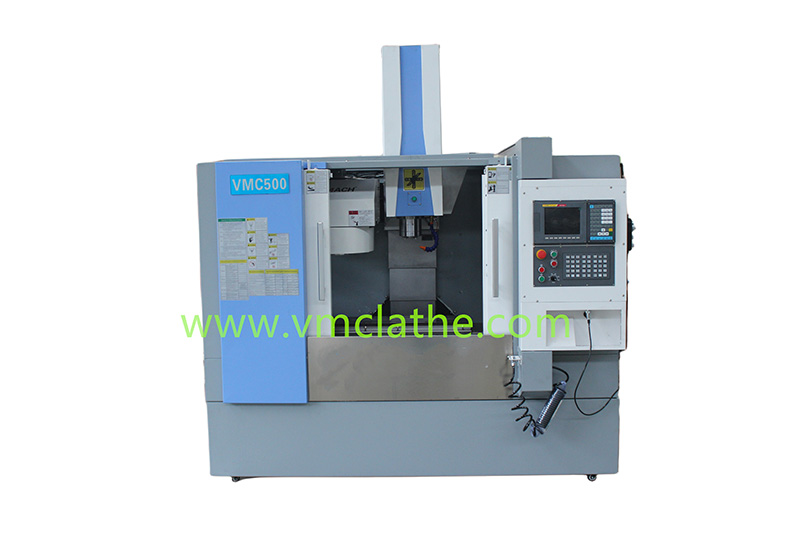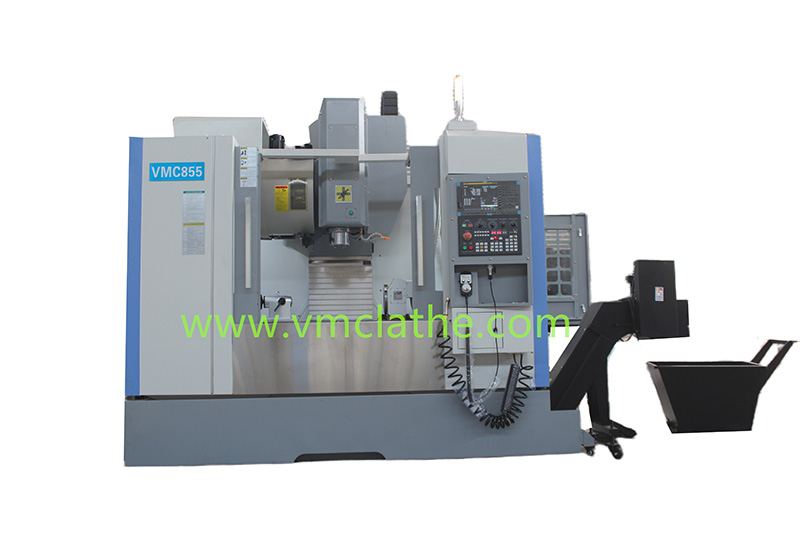
CNC machining centers offer significant advantages in transmission case machining. They can meet the complex structures and high-precision requirements of transmission cases through high-precision, high-efficiency, and flexible machining. Furthermore, optimizing process parameters and fixture design can further improve machining quality and stability. The following is a detailed analysis:
1. Transmission Case Machining Characteristics
The transmission case is a critical component in mechanical transmission systems, and the quality of its machining directly impacts the performance of the transmission system. Transmission cases exhibit the following machining characteristics:

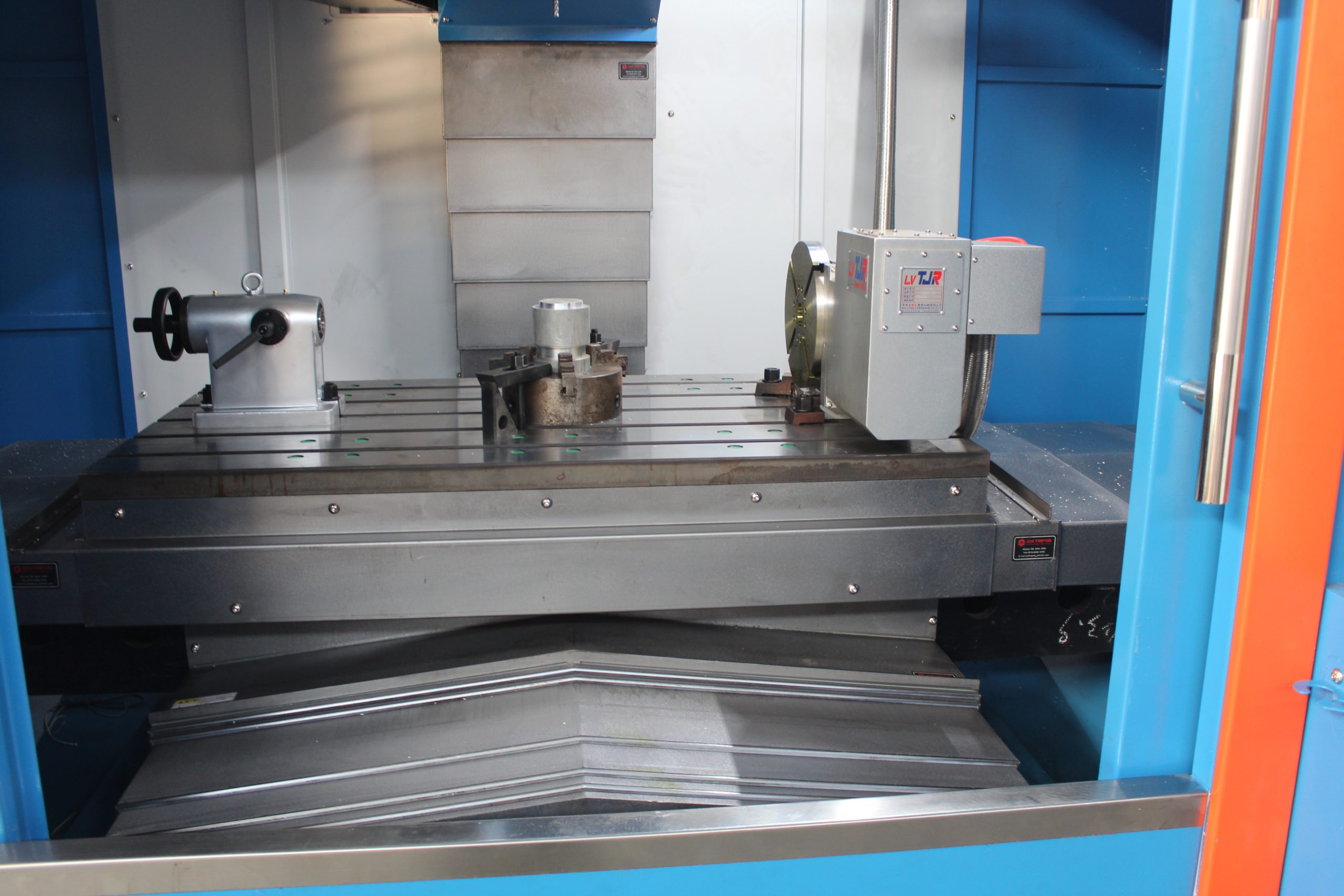
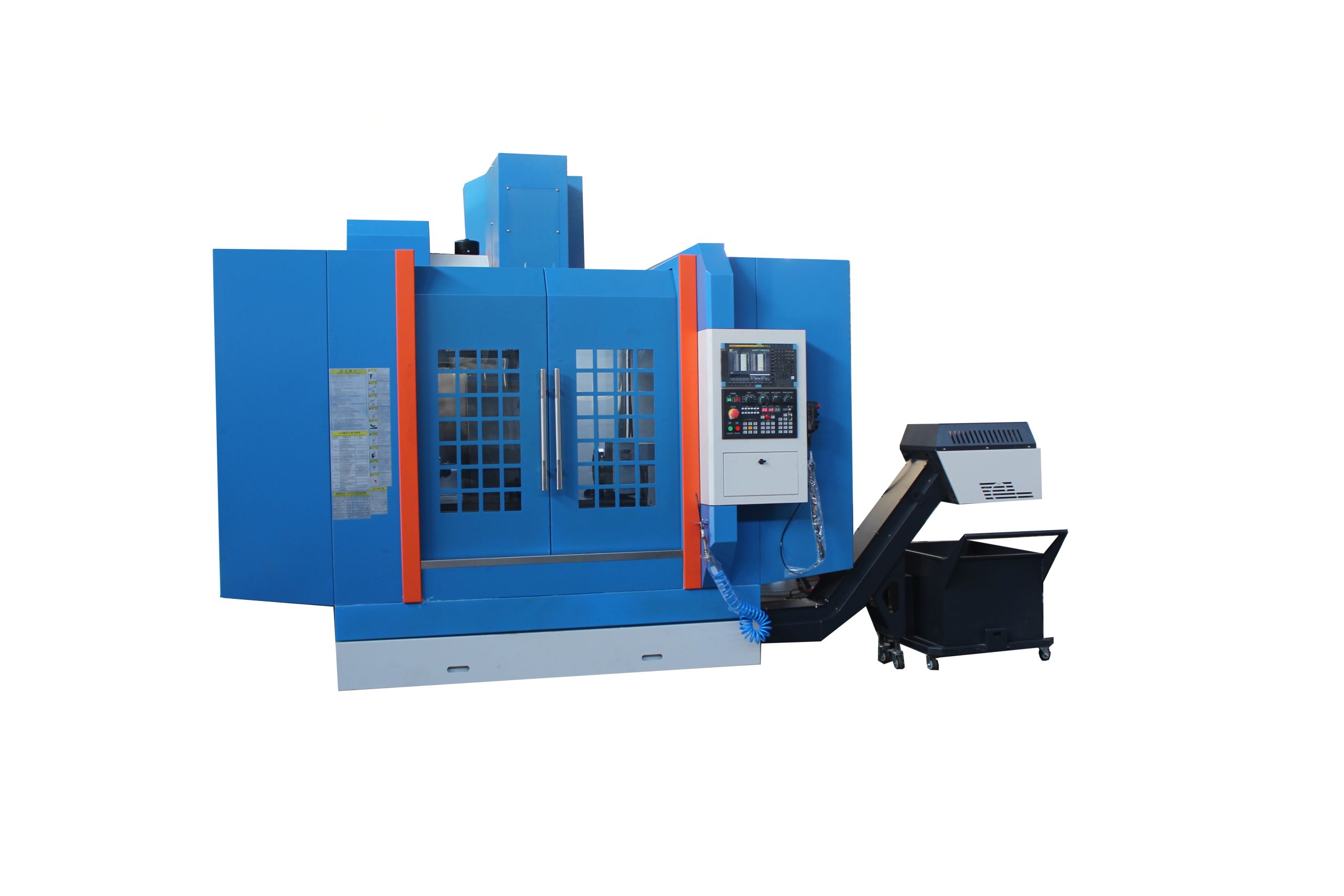
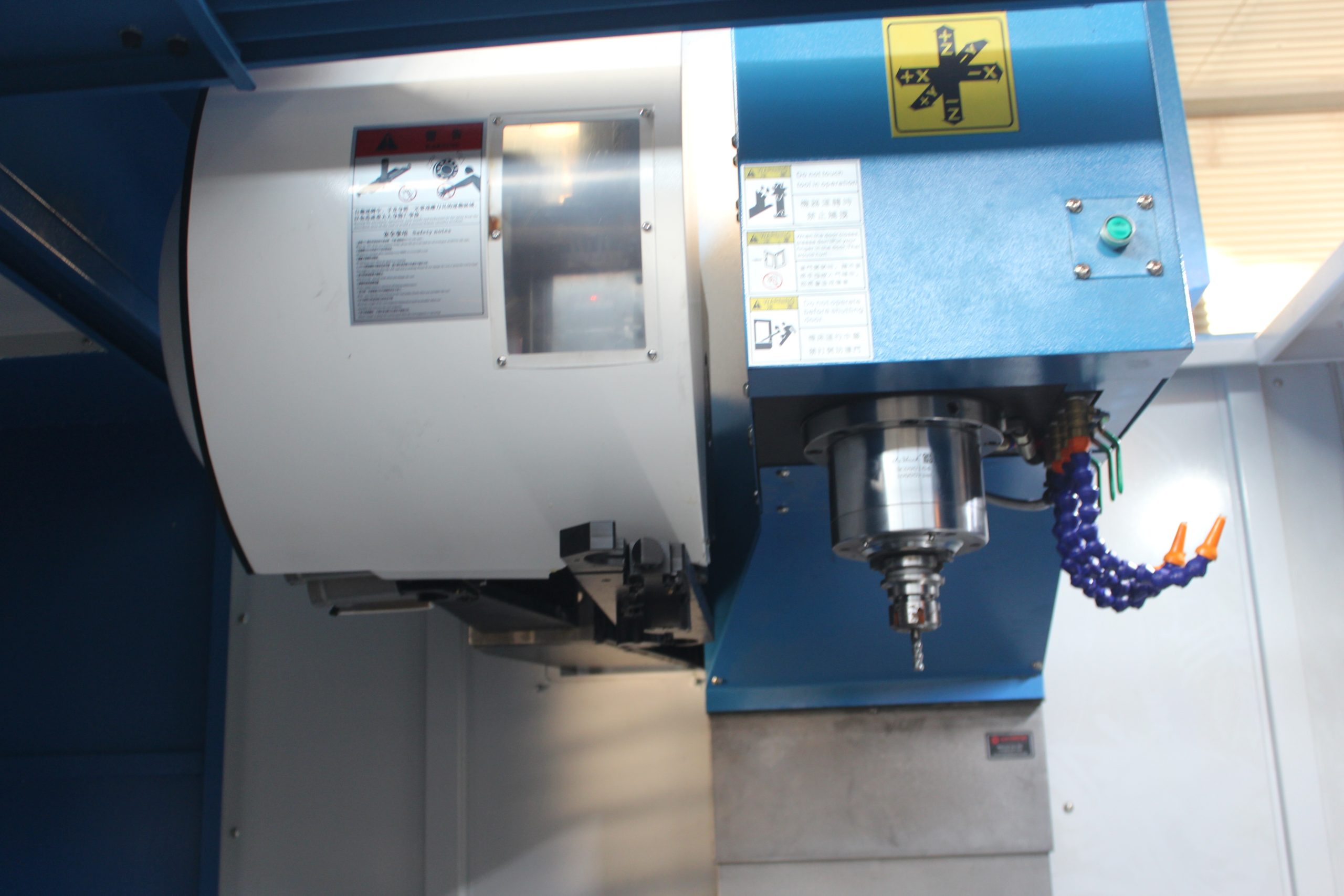
A. Complex Machining: Transmission cases typically include multiple planes, bearing holes, connection holes, and other components. This extensive machining process requires frequent changes in machine tools and tools.
B. High Machining Precision Requirements: Transmission cases require high machining precision, such as flatness, parallelism, perpendicularity, and coaxiality. These requirements are difficult to achieve using conventional machine tools. Furthermore, due to the lengthy process flow and high turnover times, production efficiency is difficult to improve.
C. Complex Shape: Transmission cases have complex shapes and are mostly thin-walled, resulting in poor workpiece rigidity and difficult clamping.
2. Application of CNC Machining Centers in Transmission Case Machining
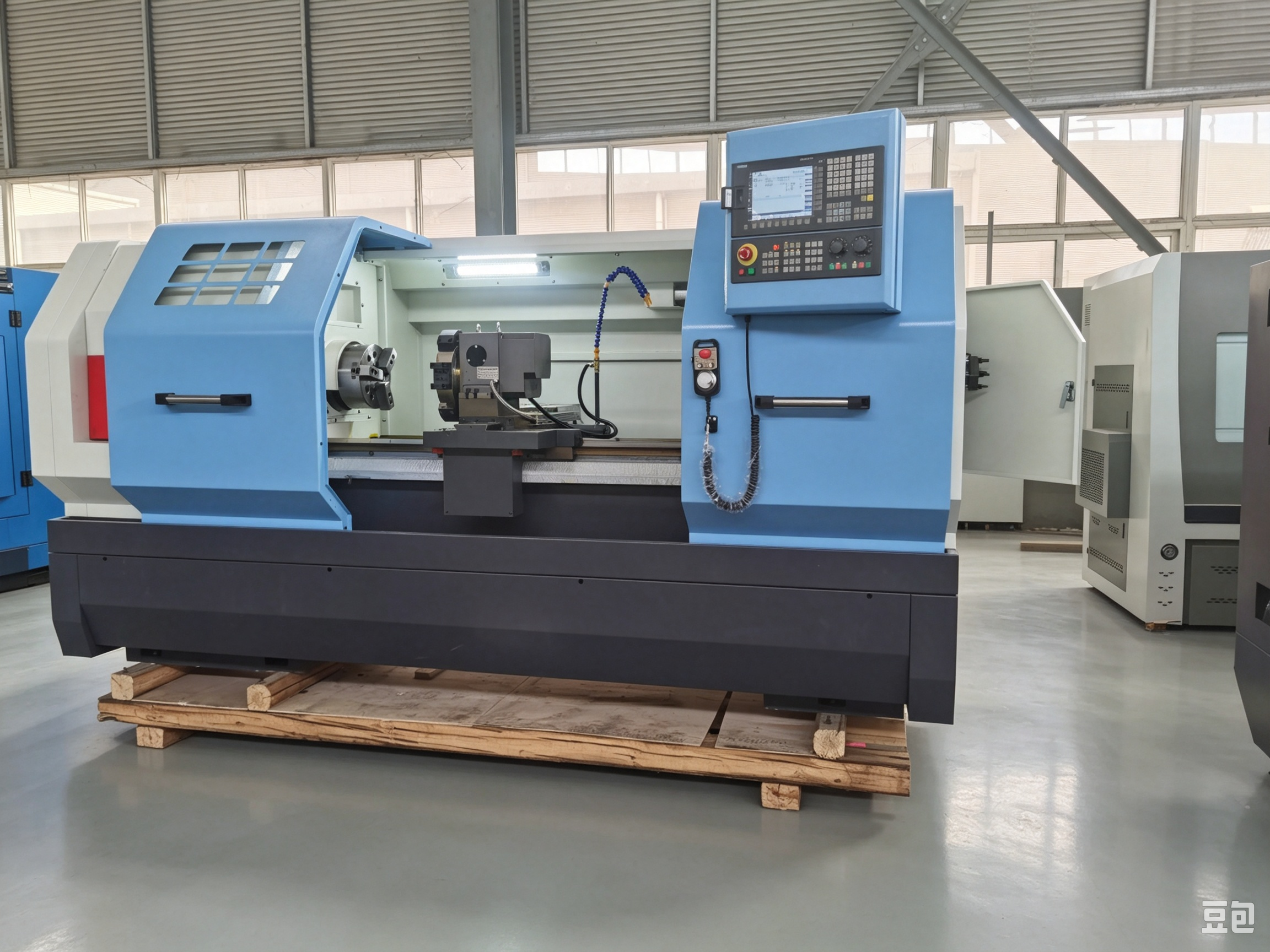
Given the machining characteristics of transmission cases, CNC machining centers, with their high precision, high efficiency, high rigidity, and automatic tool changing, are ideal equipment for machining transmission cases. Specific applications are as follows:
A. High-Precision Machining: CNC machining centers offer high-precision positioning and repeatability, ensuring accurate machining of transmission cases. Through appropriate process flows and tool selection, high-precision machining of transmission cases can be achieved.
B. High-Efficiency Machining: CNC machining centers feature automatic tool changing, enabling them to automatically complete multiple processes, including milling, drilling, boring, reaming, and tapping, within a single workpiece setup, significantly improving production efficiency. Furthermore, CNC machining centers can perform multi-axis machining, further reducing processing time.
C. Flexible Machining: CNC machining centers are highly flexible and can adapt to the machining needs of different transmission case types and batches. By changing fixtures and tools, machining between different products can be quickly switched.
3. Process Flow for Machining Transmission Cases on CNC Machining Centers
Taking the clutch case as an example, the process flow for machining transmission cases on CNC machining centers generally includes the following steps:
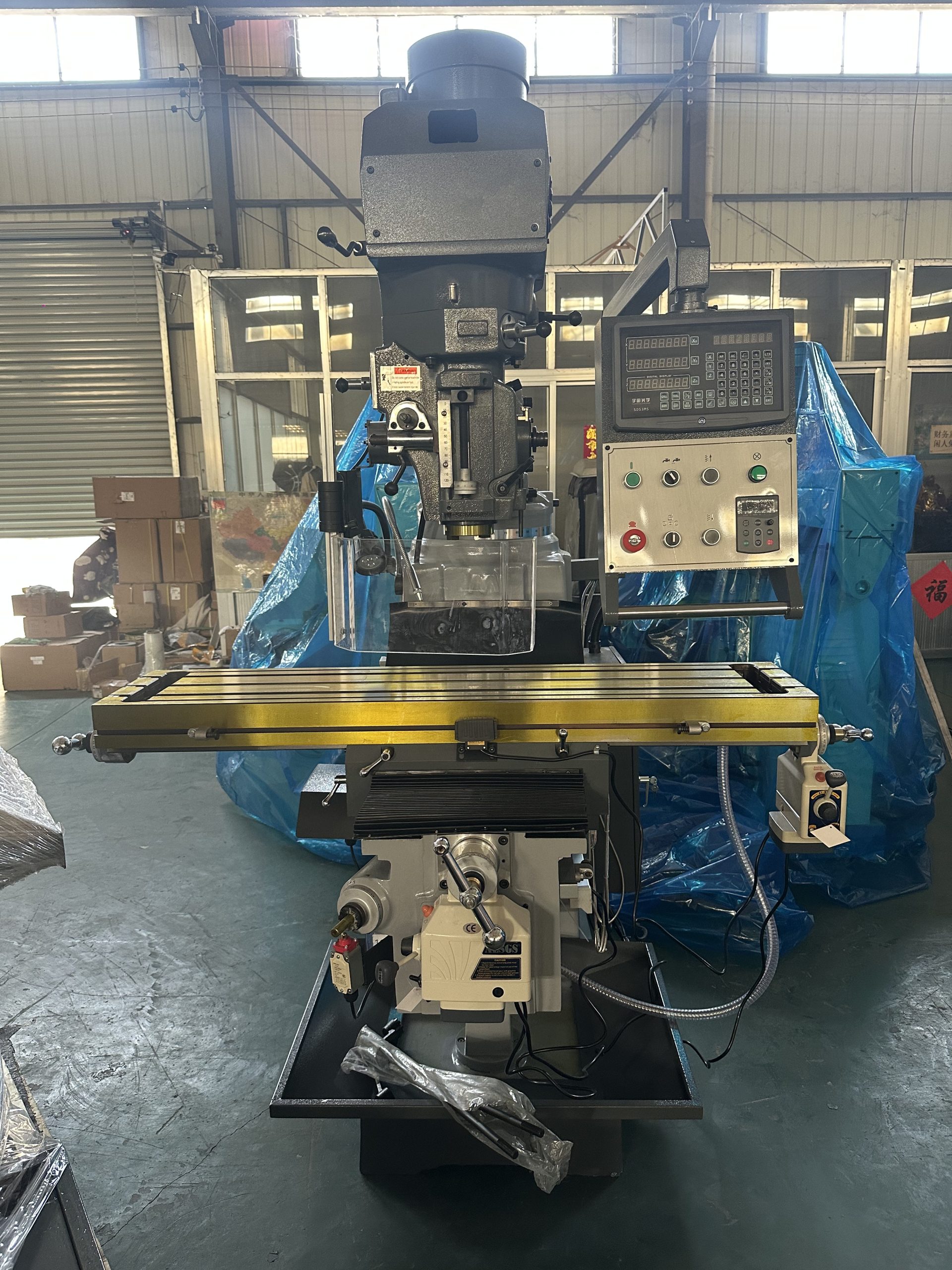
A. Milling the mating surfaces: Mill the mating surfaces of the transmission case using a vertical milling machine or CNC machining center to ensure flatness and parallelism.
B. Machining process holes and connection holes: Machining the process holes and connection holes of the transmission case using a drilling machine or CNC machining center to ensure diameter and positional accuracy.
C. Rough boring of bearing holes: Rough boring the bearing holes of the transmission case using a CNC boring machine or CNC machining center to provide a reference for subsequent fine boring.
D. Fine boring of bearing holes and locating pin holes: Fine boring the bearing holes and locating pin holes of the transmission case using a CNC boring machine or CNC machining center to ensure diameter and coaxiality.
E. Cleaning and leak testing: Clean and leak test the completed transmission case to ensure product quality.
4. Key Technologies for CNC Machining Transmission Cases
A. Fixture Design: Considering the shape characteristics and machining requirements of the transmission case, a well-designed fixture is crucial for ensuring machining quality. The fixture should feature accurate positioning, reliable clamping, and easy operation.
B. Tool Selection: Selecting the appropriate tool based on the material and machining requirements of the transmission case is crucial for improving machining efficiency and quality. The tool should possess high hardness, high wear resistance, and high cutting performance.
C. Process Parameter Optimization: Optimizing process parameters such as cutting parameters, feed rate, and spindle speed can improve machining efficiency and quality. Advanced machining methods such as high-speed cutting can also be employed to further enhance machining efficiency and quality.