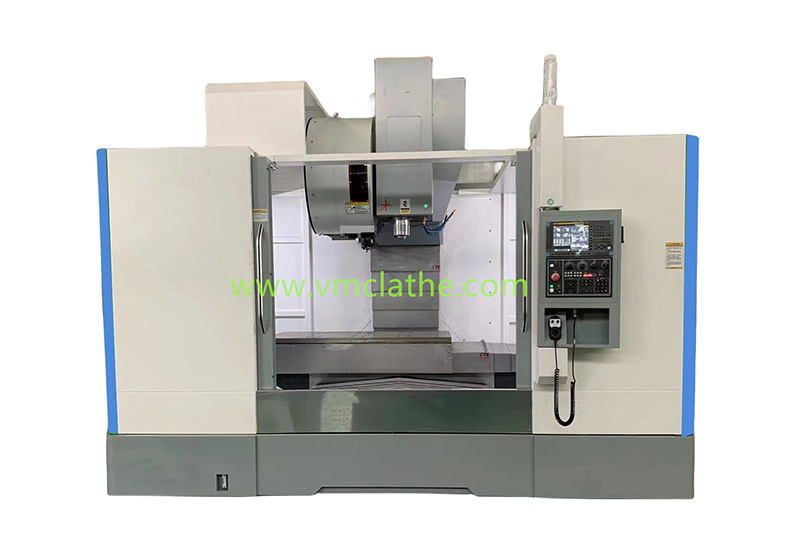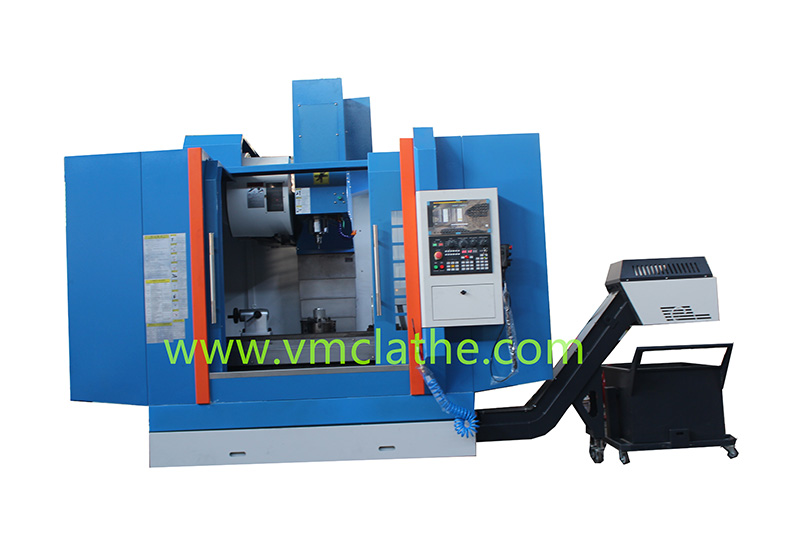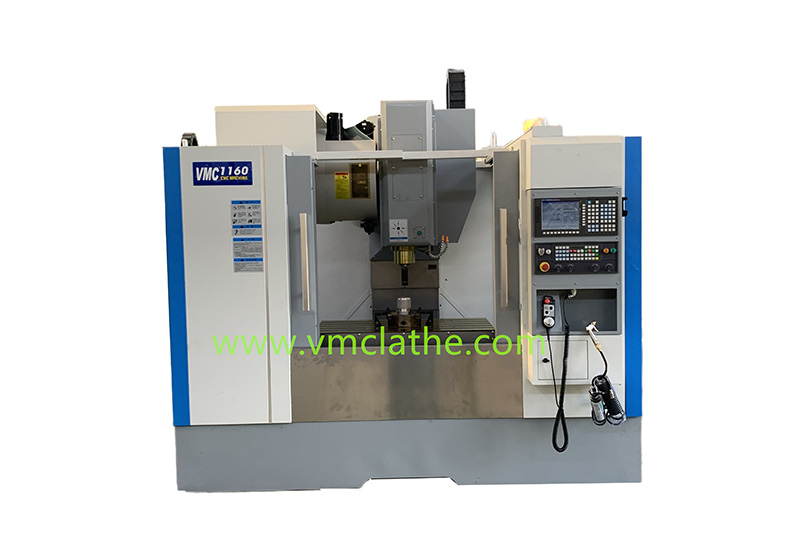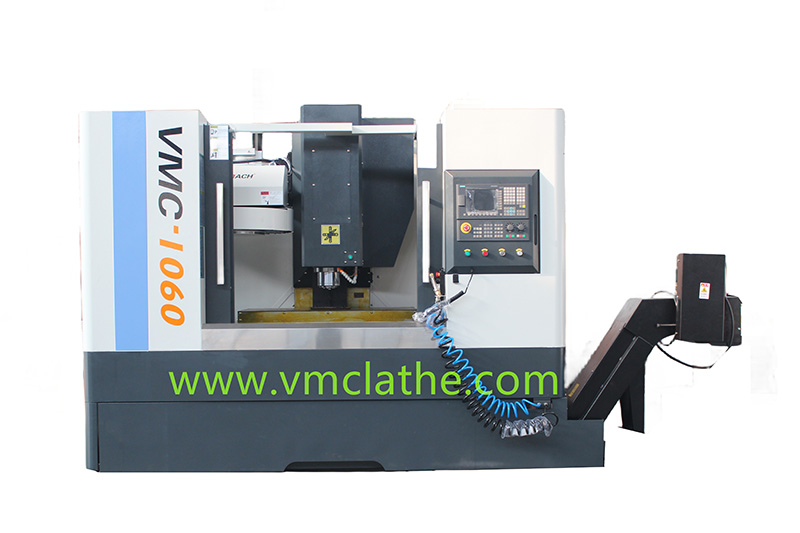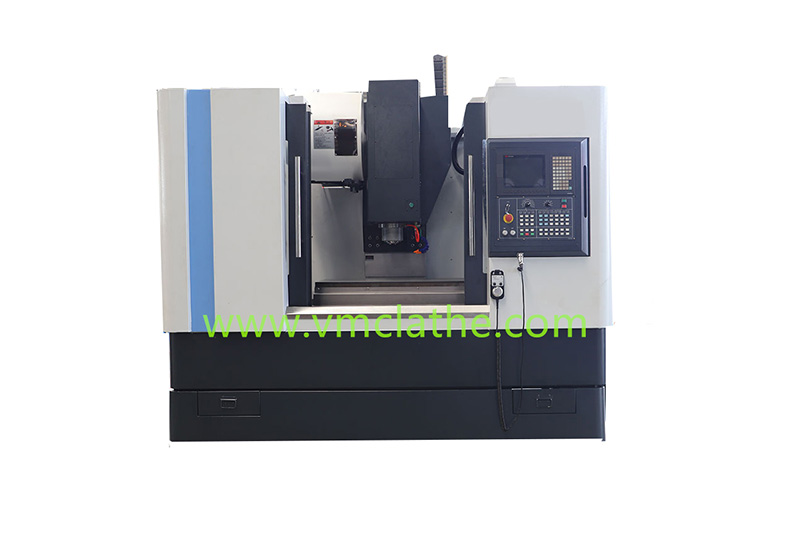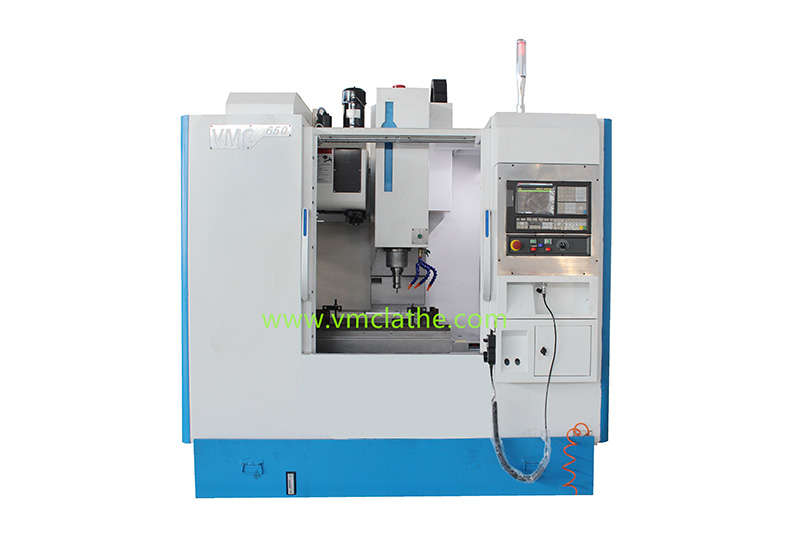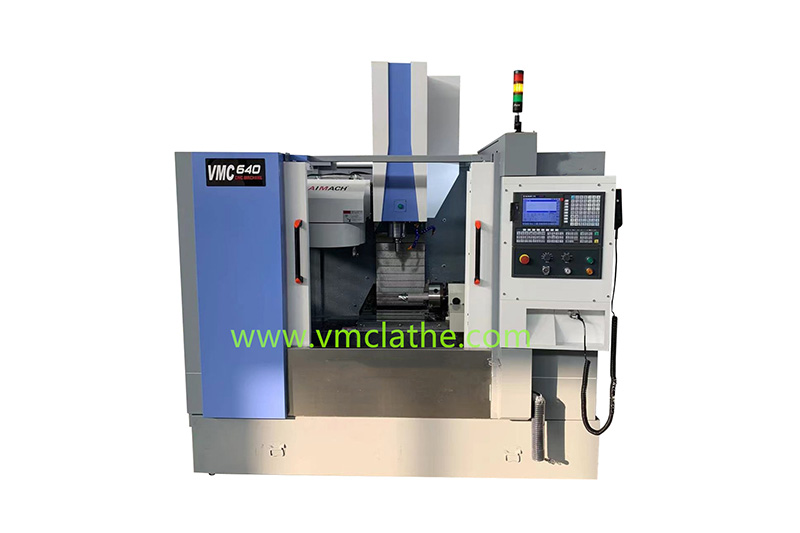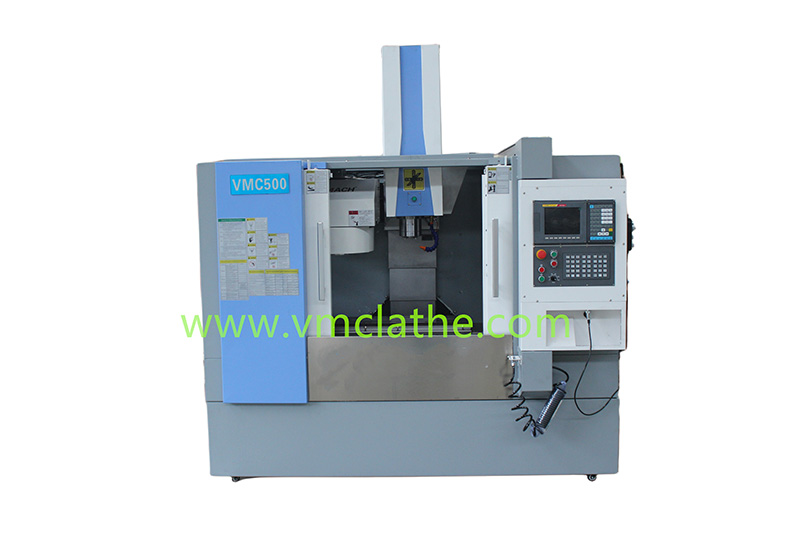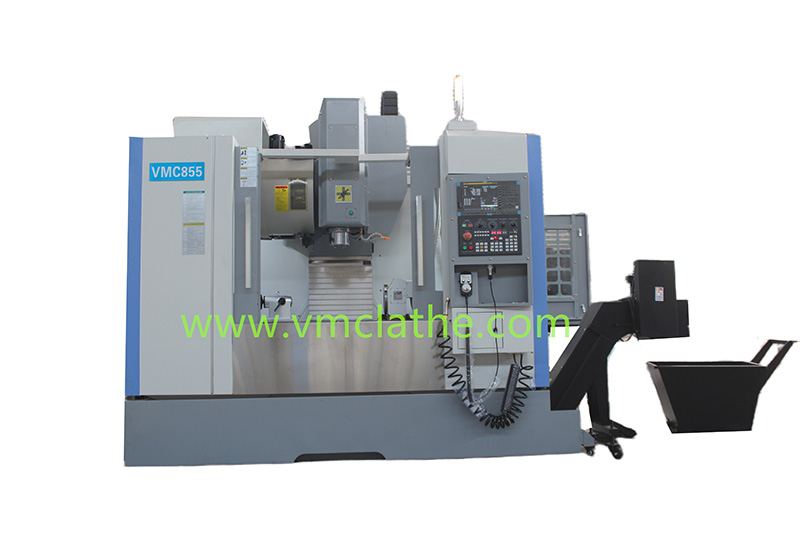
As high-precision and high-efficiency modern machining equipment, CNC milling machining centers can not only affect processing quality but also lead to equipment failures or even safety accidents if operational errors occur. Below are common operational errors and their corresponding prevention methods:
1. Programming and Input Errors
A. Incorrect Coordinate Setting
a) Error Manifestation: The workpiece coordinate origin is set inside the workpiece or on the raw material, causing tool collision with the workpiece or fixture.
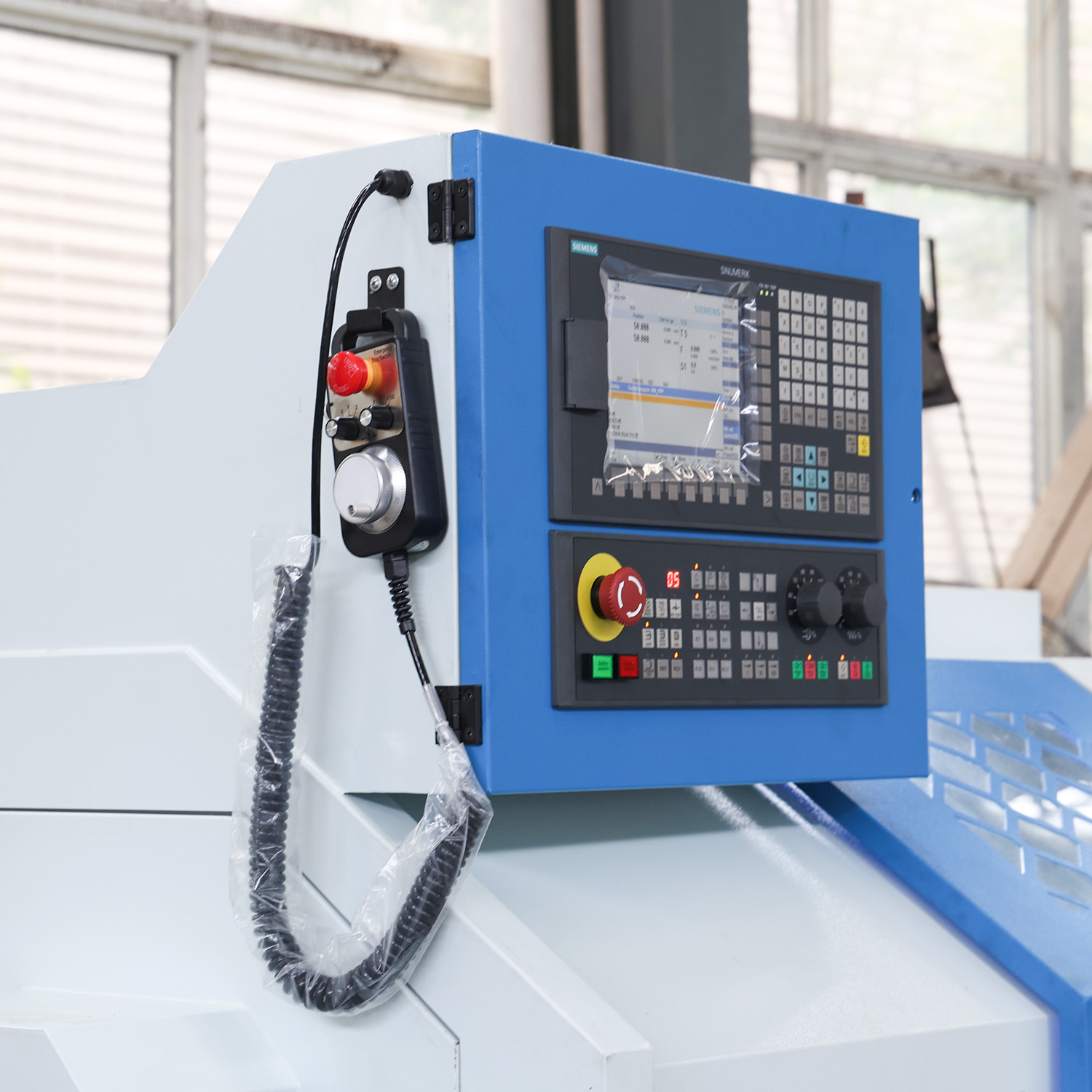
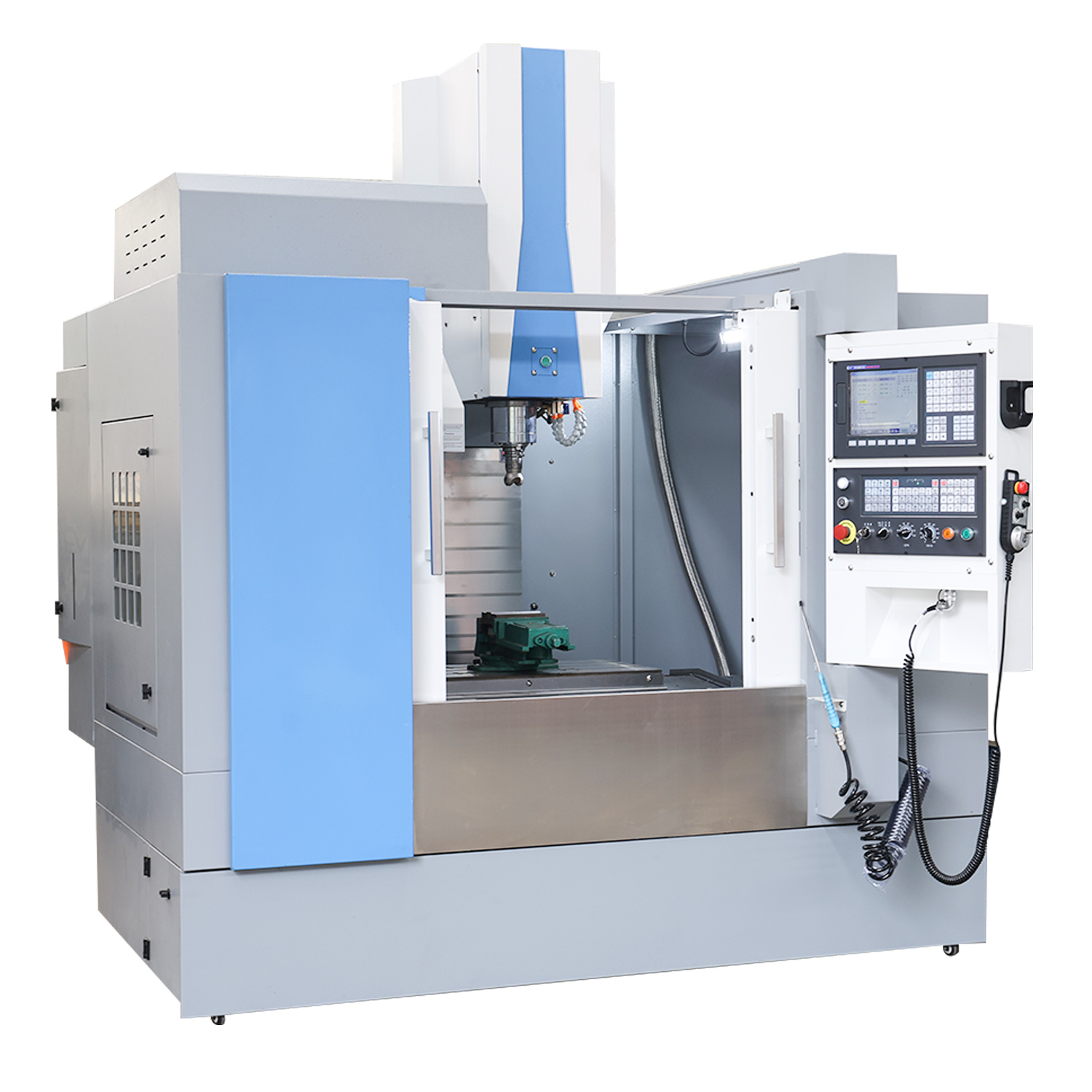
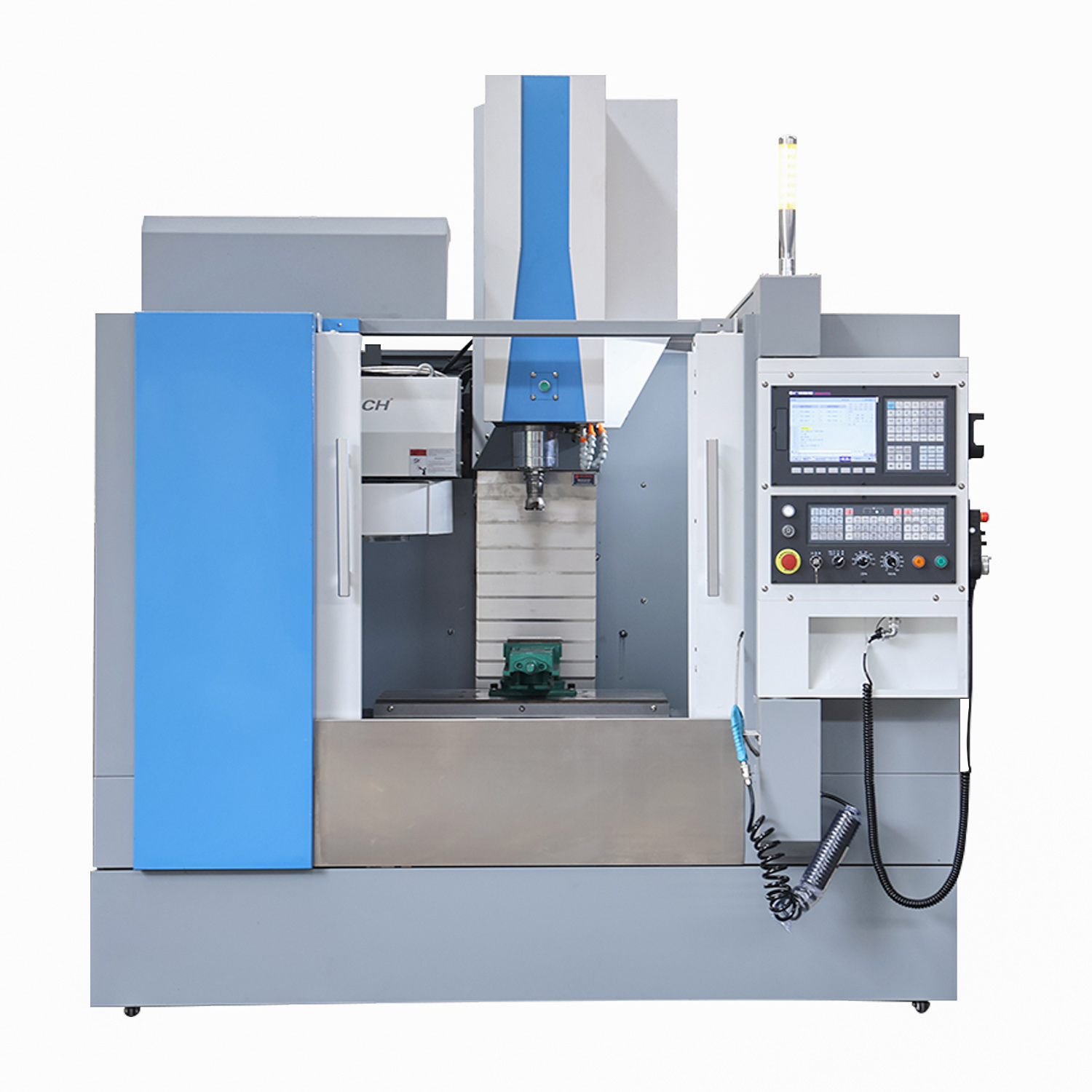
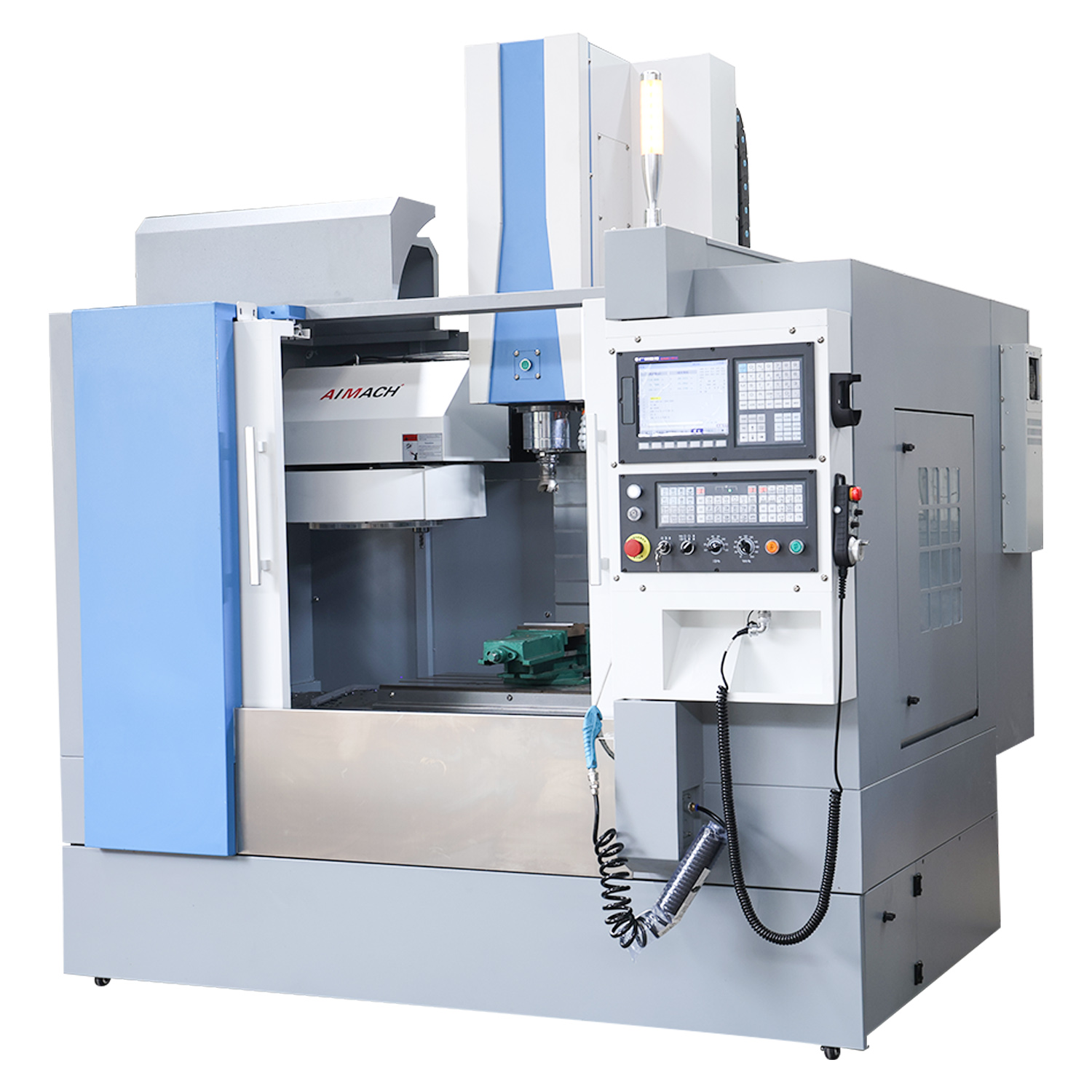
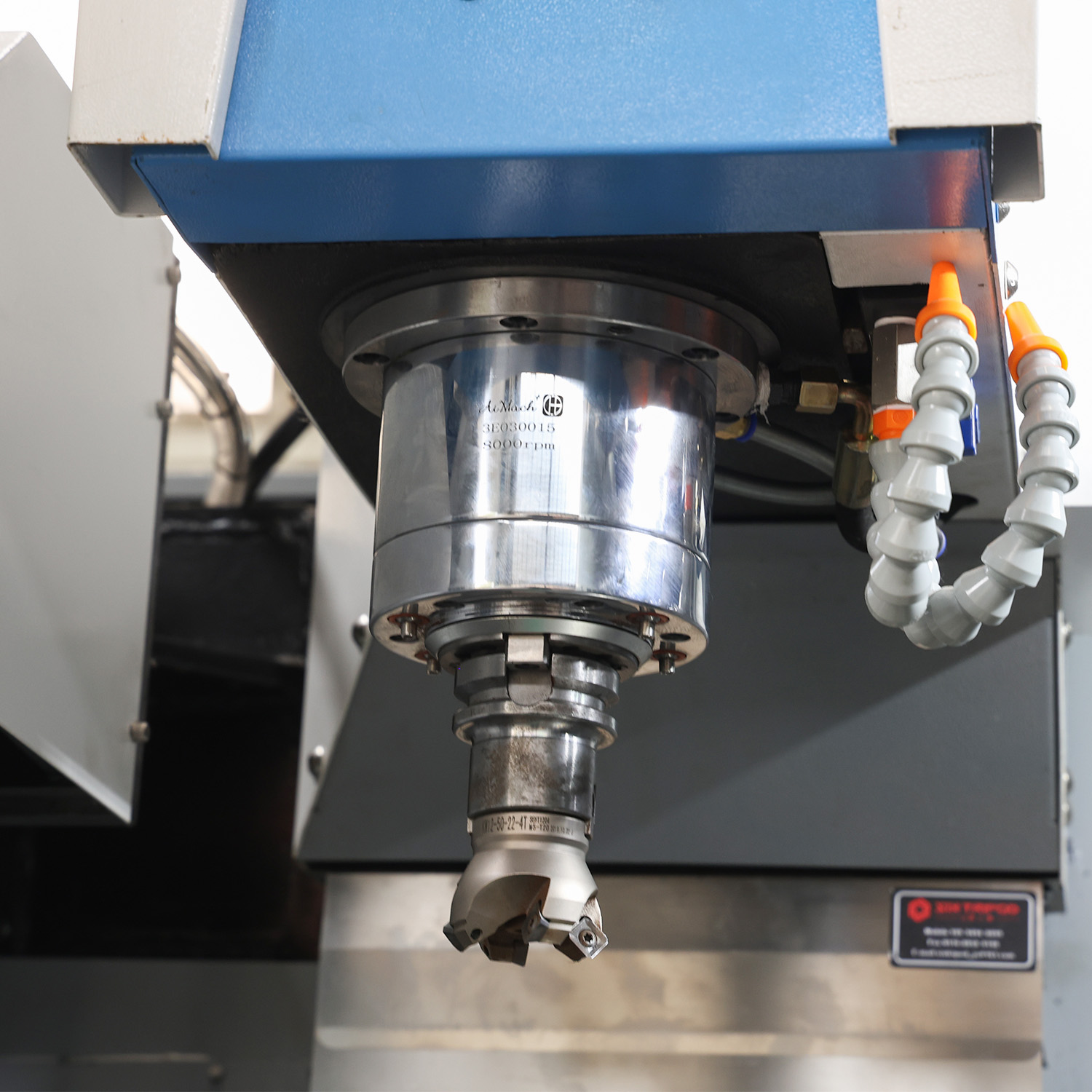
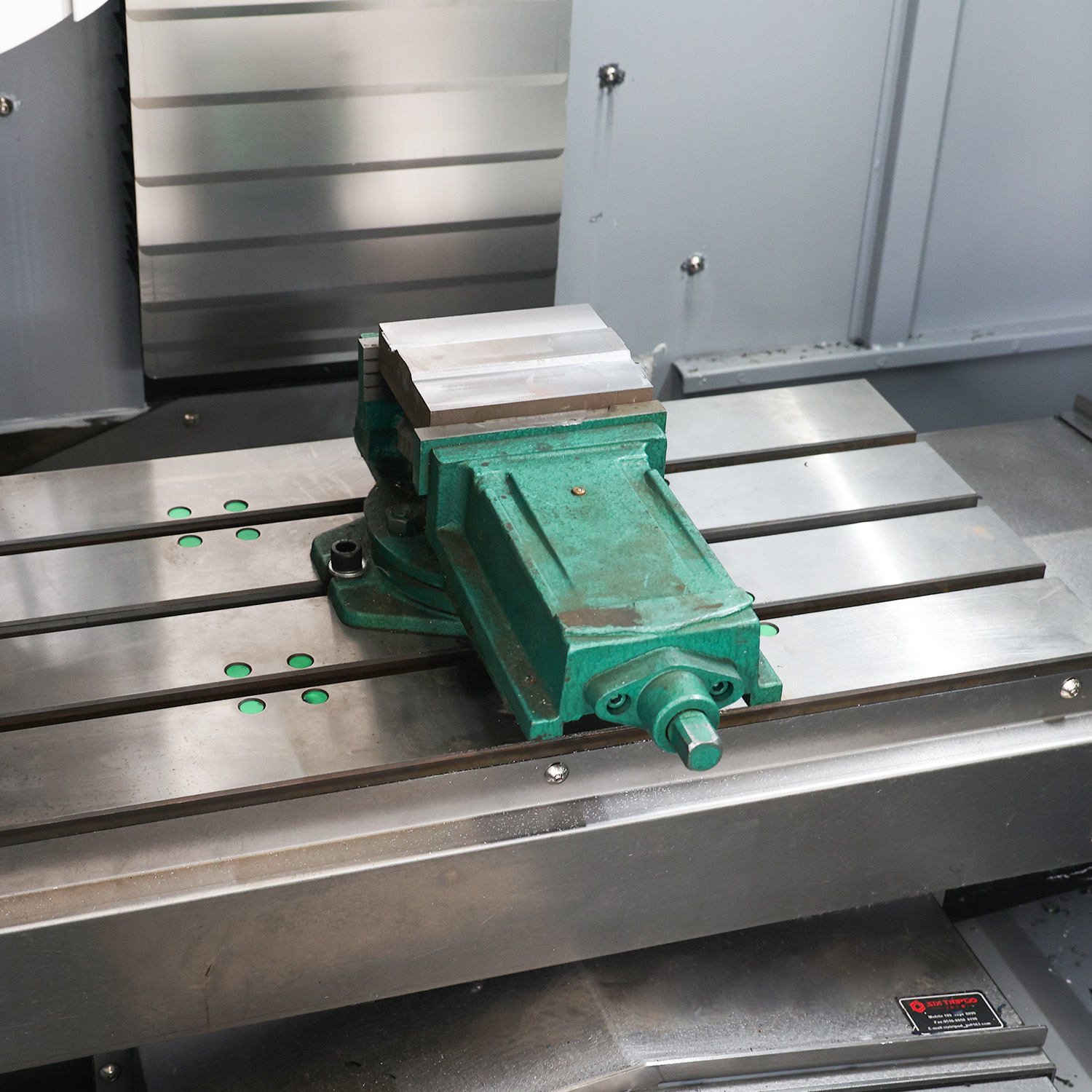
b) Prevention Method: Set the workpiece coordinate origin outside the workpiece raw material or on the machine table base to ensure the tool does not directly point at the workpiece when the command is zero or near zero.
B. Decimal Point Omission or Input Error
a) Error Manifestation: In systems like FANUC, omitting the decimal point reduces the input value to one-thousandth, approaching zero and causing tool collision.
b) Prevention Method: Write isolated decimal points in the “0” format during programming to ensure accurate input values.
C. Logical Errors in Programming
a) Error Manifestation: Unreasonable tool path planning, such as improper entry/exit methods or incorrect tool radius compensation direction, leading to overcutting or undercutting.
b) Prevention Method: Plan tool paths rationally, ensure correct entry/exit methods, and match the tool radius compensation direction with the machining contour.
2. Machine Operation Errors
A. Failure to Lock the Machine or Turn Off Dry Run Switch
a) Error Manifestation: During simulation, failing to lock the machine or turn off the dry run switch causes the machine to operate at G00 speed, resulting in tool collision.
b) Prevention Method: Confirm the machine is locked before simulation and turn off the dry run switch before actual machining.
B. Not Returning to Reference Point After Dry Run Simulation
a) Error Manifestation: Not returning to the reference point after dry run simulation causes inconsistency between the mechanical zero point and absolute/relative coordinates, leading to tool collision.
b) Prevention Method: Always return to the reference point after dry run simulation to ensure coordinate consistency.
C. Improper Tool Clamping
a) Error Manifestation: Tools are clamped too short or tool shank length is not considered, causing collision with the workpiece or fixture.
b) Prevention Method: Ensure the clamping length is 2-5mm longer than the actual depth to guarantee tool safety.
3. Parameter Setting Errors
A. Incorrect Spindle Speed or Feed Rate Setting
a) Error Manifestation: Spindle speed exceeds the maximum limit or feed rate is set unreasonably, causing equipment overload or reduced machining quality.
b) Prevention Method: Set spindle speed and feed rate reasonably based on the equipment manual and machining requirements.
B. Incorrect Tool Compensation Measurement Setting
a) Error Manifestation: Incorrect tool length or radius compensation settings lead to machining dimensional deviations.
b) Prevention Method: Use precise instruments to measure tool dimensions and ensure accurate compensation values.
4. Tool Setting and Coordinate System Errors
A. Incorrect Tool Setting Position
a) Error Manifestation: Inaccurate tool setting position causes errors in the workpiece coordinate system, leading to machining deviations.
b) Prevention Method: Use tool setters or precise measuring tools for tool setting to ensure accuracy.
B. Incorrect Workpiece Coordinate Offset Setting
a) Error Manifestation: Incorrect workpiece coordinate offset values cause machining position deviations.
b) Prevention Method: Precisely calculate and set workpiece coordinate offset values based on the workpiece installation diagram and machine coordinate system.
5. Improper Equipment Maintenance
A. Poor Maintenance of Lubrication, Pneumatic, or Hydraulic Systems
a) Error Manifestation: Failures in lubrication, pneumatic, or hydraulic systems cause unstable operation or equipment damage.
b) Prevention Method: Regularly inspect and clean lubrication, pneumatic, and hydraulic systems, and replace lubricants and seals promptly.
B. Loose Transmission Components
a) Error Manifestation: Poorly tightened transmission components cause machine vibration or excessive noise.
b) Prevention Method: Regularly tighten transmission components and replace defective standard parts.