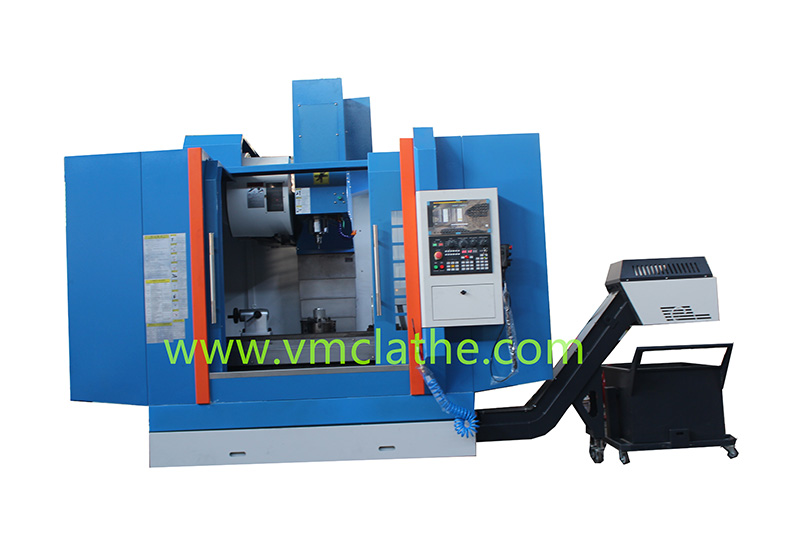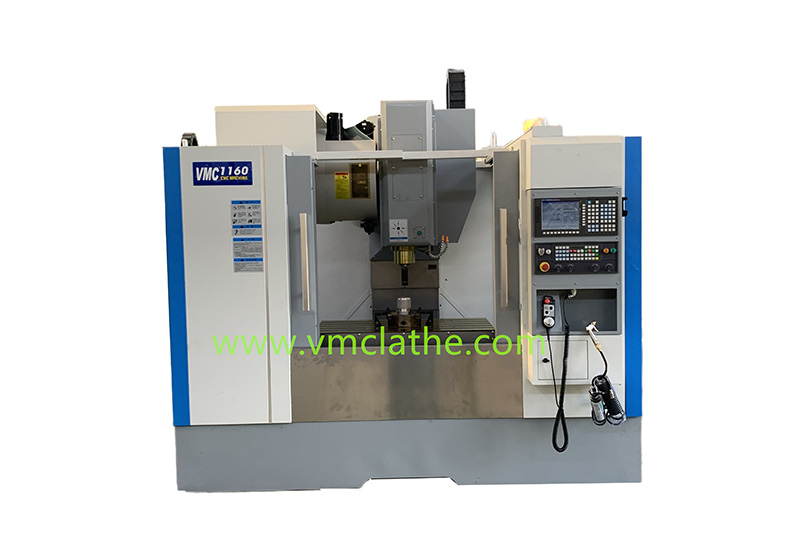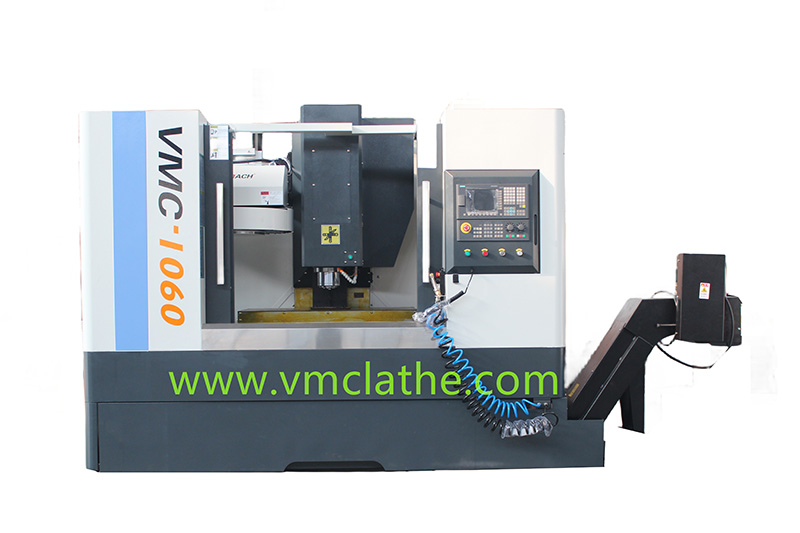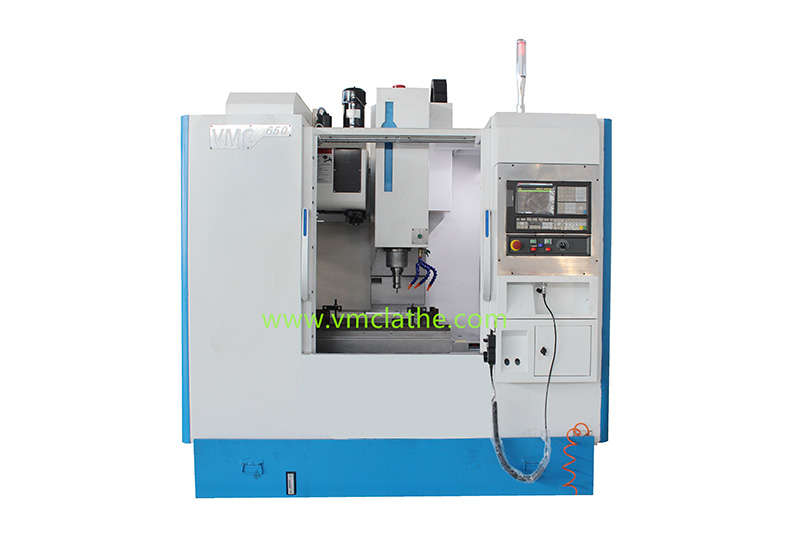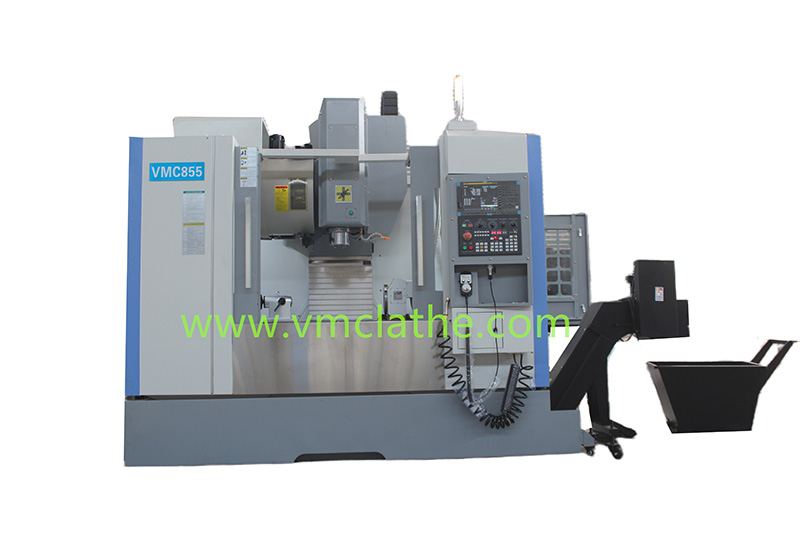
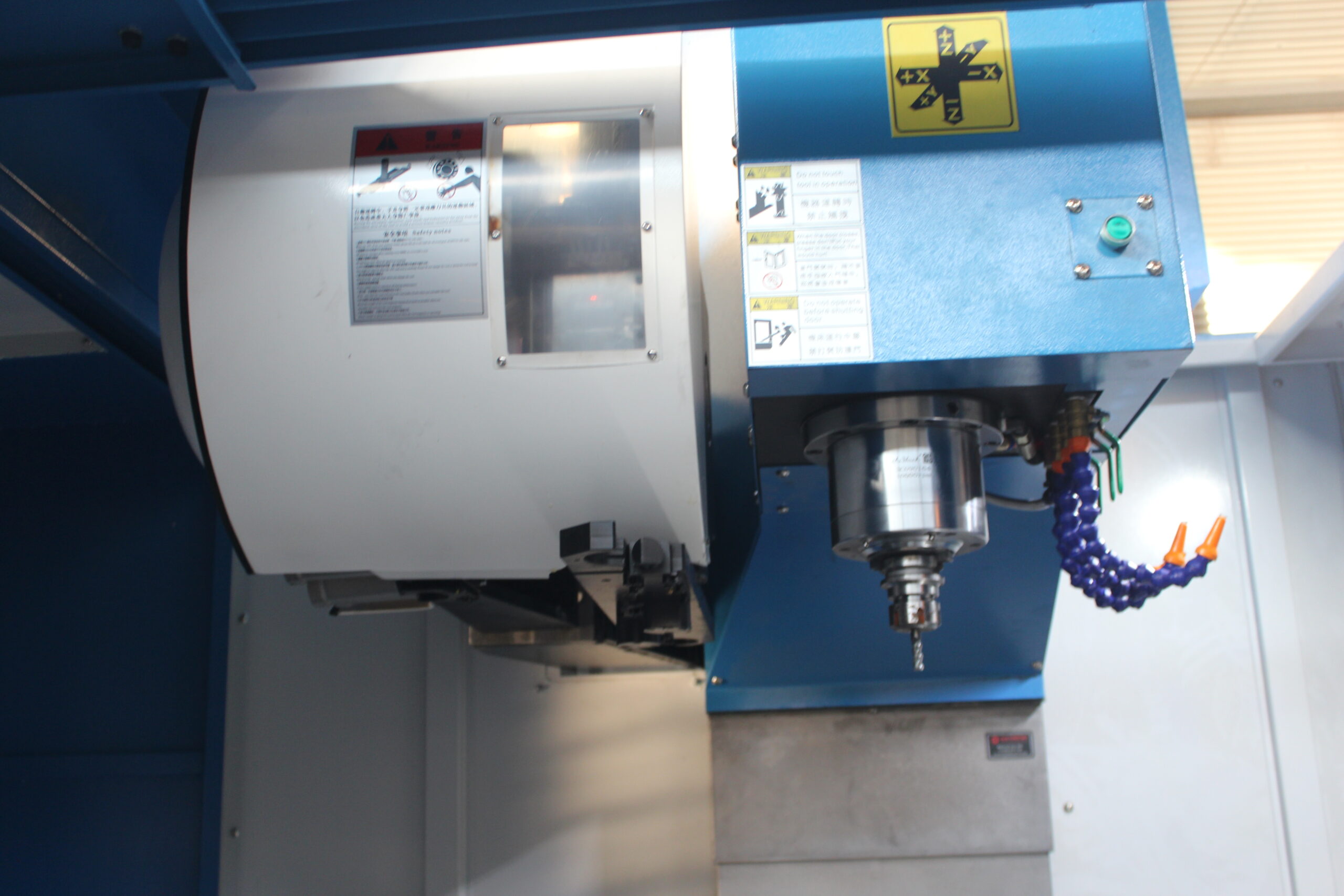
There are certain differences in structure and function between the pin tailstock and the disc tailstock on the fourth axis of the machining center. The selection of the appropriate tailstock type needs to be determined according to the specific processing requirements, workpiece characteristics and machining center configuration.
-
The difference between the pin tailstock and the disc tailstock
-
Structural differences
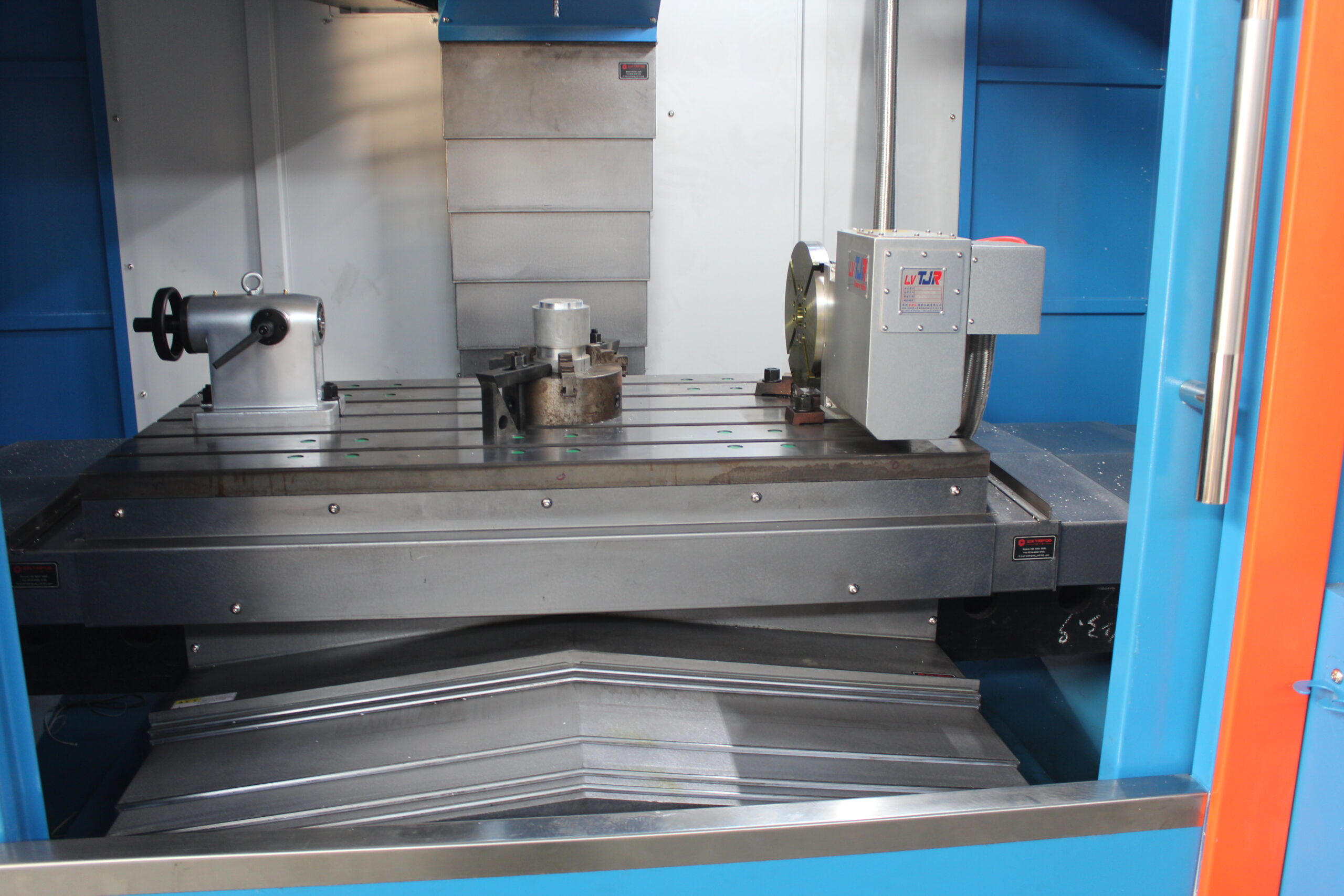
o Pin tailstock: usually contains one or more retractable tops (needles) for axial positioning and support of the workpiece. The top may be controlled by a servo motor or other drive method to achieve precise retraction and positioning.
o Disc tailstock: It adopts a disc-shaped structure, and the workpiece is clamped and supported by a clamping device on the disc (such as a chuck, a fixture, etc.). The disc tailstock is generally suitable for structures with base plates, L plates and bridge plates, and is highly specialized.
-
Functional characteristics
o Pin tailstock: Due to its precise control of the top, it is particularly suitable for the processing of shaft parts that require high-precision axial positioning and support. At the same time, the pin tailstock often has a high degree of automation and can meet the needs of complex processing tasks.
o Disc tailstock: It focuses more on the clamping and stable support of the workpiece, and is suitable for the processing of workpieces of various shapes and sizes. However, the disc tailstock is highly specialized and may not be suitable for all types of workpieces and processing tasks.
-
Usage scenarios
o Pin tailstock: It is more suitable for processing tasks that require precise axial control, such as shaft parts and slender rods.
o Disc tailstock: It may be more suitable for processing discs, plates or other workpieces with more regular shapes.
- Selection suggestions
- Choose according to processing needs: First, clarify the specific requirements of the processing task, including the shape, size, and processing accuracy of the workpiece. Then choose the appropriate tailstock type based on these requirements. For example, for the processing of shaft parts, a pin tailstock may be more suitable.
- Consider the configuration of the machining center: Make sure that the selected tailstock is compatible with the CNC system, drive device, etc. of the machining center. At the same time, consider the layout and space limitations of the machining center to ensure that the tailstock can be installed and used smoothly.
- Consider cost-effectiveness and maintenance costs: When choosing a tailstock, you should not only pay attention to its performance and quality, but also consider its cost-effectiveness and maintenance costs. Choosing a tailstock with high cost-effectiveness and easy maintenance can reduce long-term operating costs.
- Refer to user reviews and recommendations: Check other users’ reviews and recommendations to understand the performance of different tailstocks in actual use. This helps to have a more comprehensive understanding of the advantages and disadvantages of the tailstock, so as to make a more informed choice.
In summary, there are significant differences in structure and function between pin tailstocks and disc tailstocks. Choosing the right tailstock type requires comprehensive consideration based on specific processing requirements, workpiece characteristics and machining center configuration.