Motor shafts are critical components in electric motors, responsible for torque transmission and accurate positioning of rotating parts. The machining accuracy of motor shafts—especially diameter tolerance, concentricity, and surface finish—directly affects motor stability, noise level, and service life.
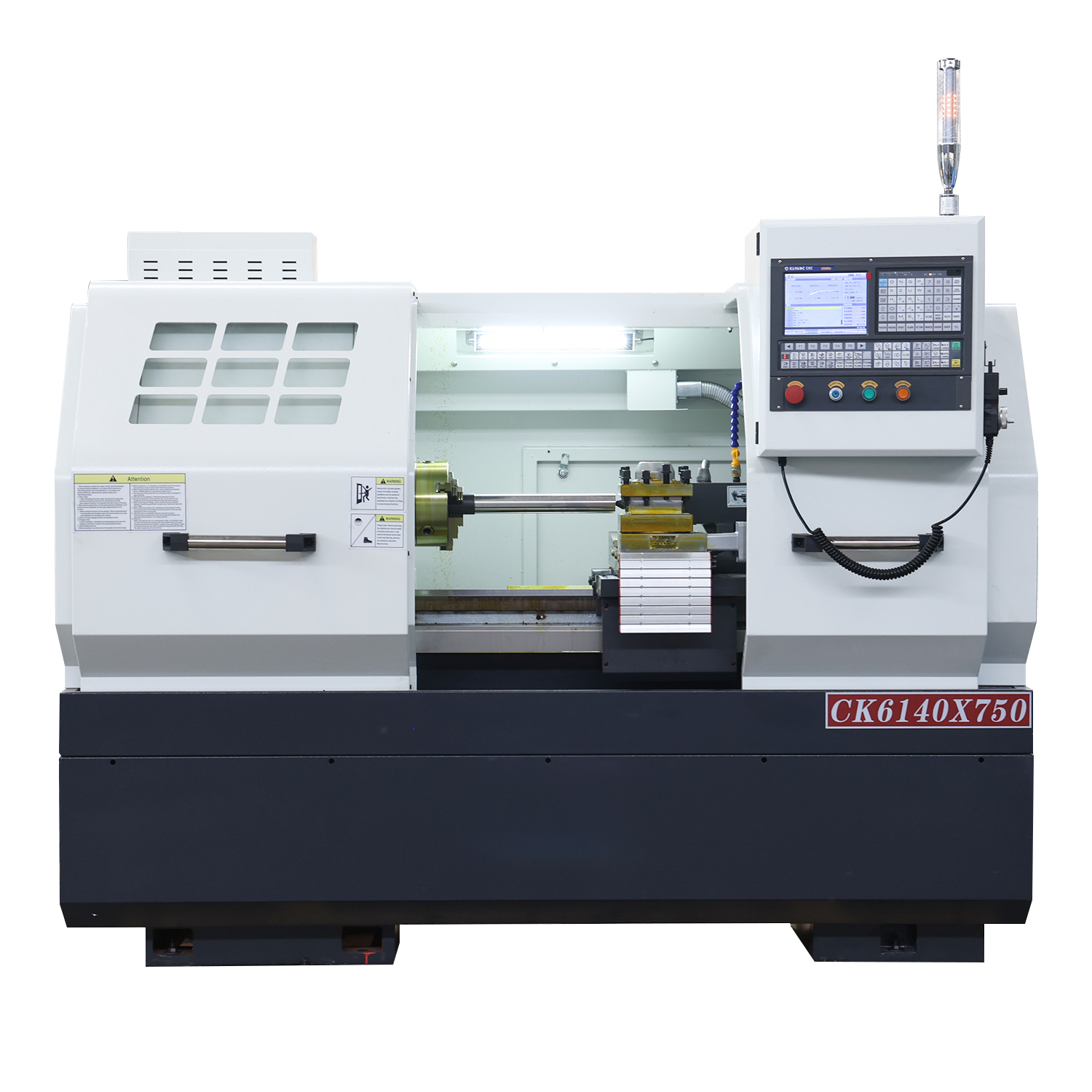
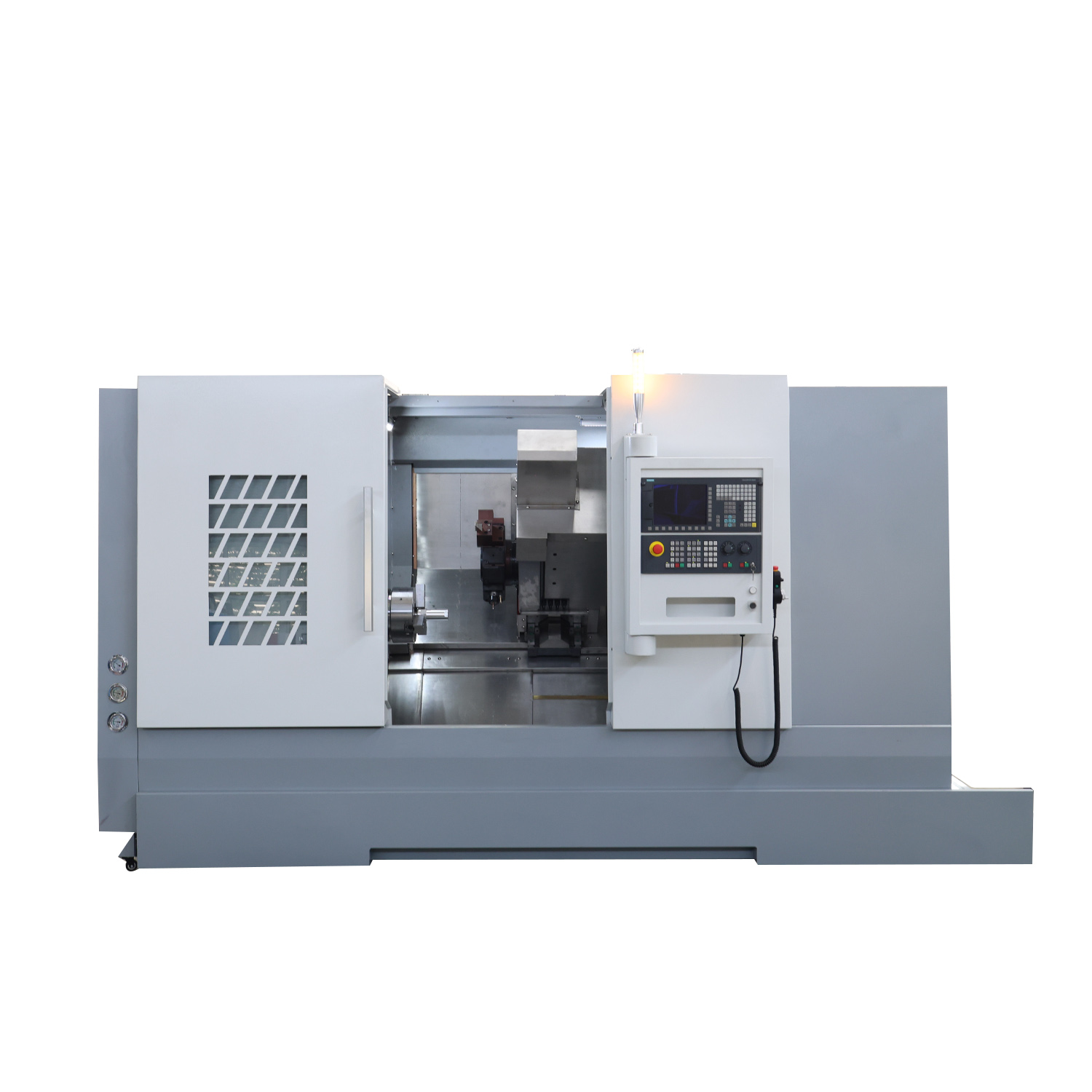
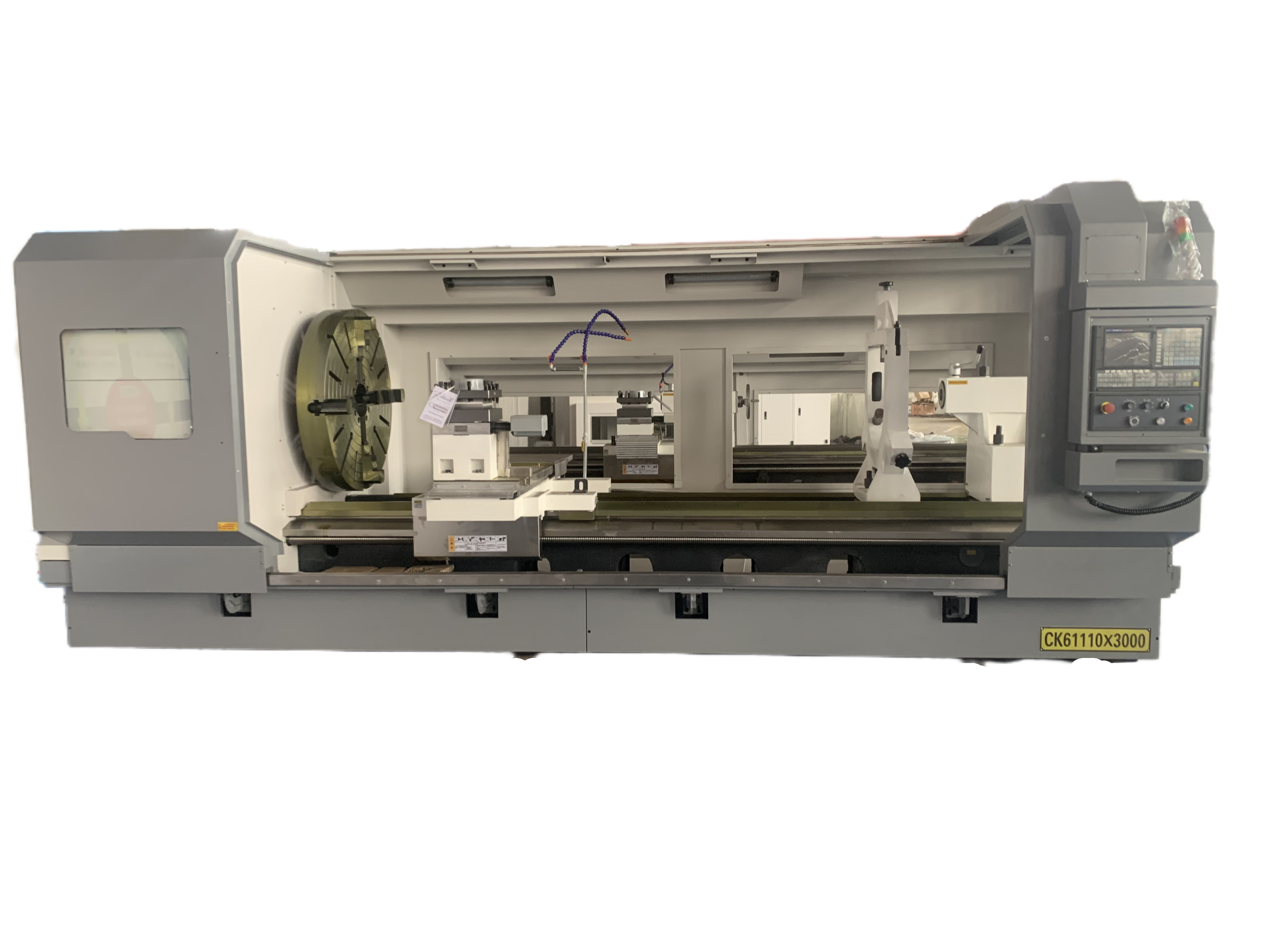
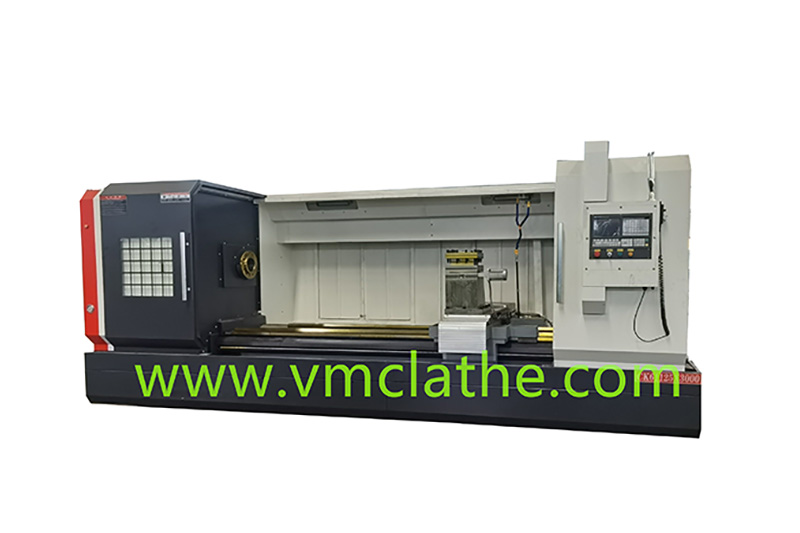
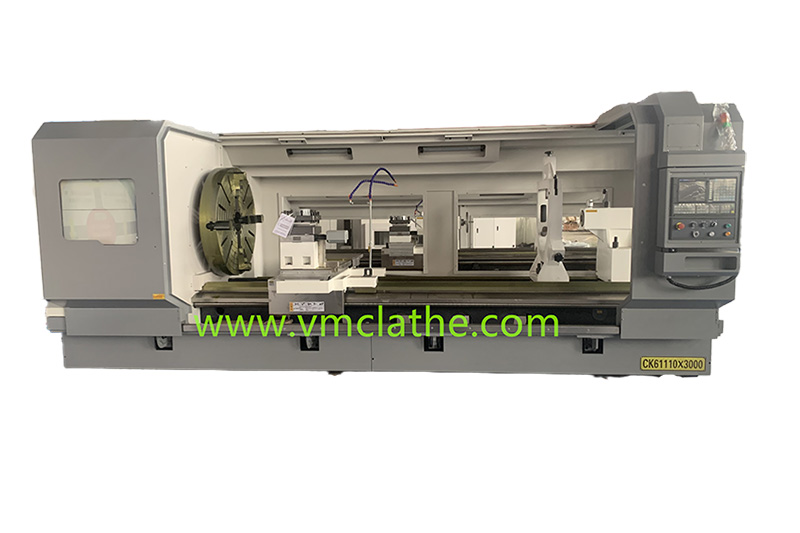
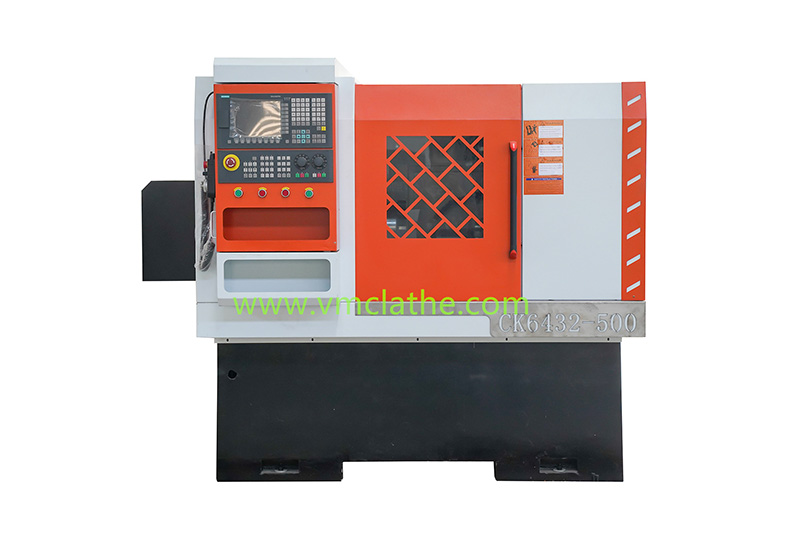
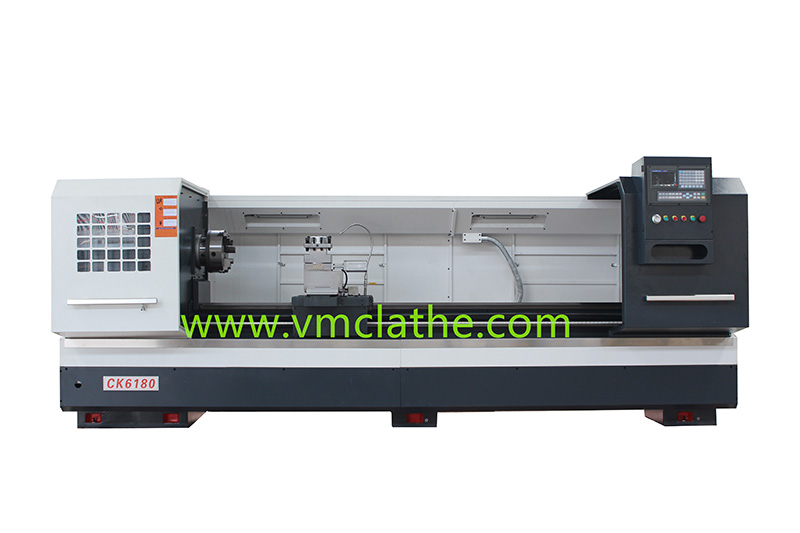
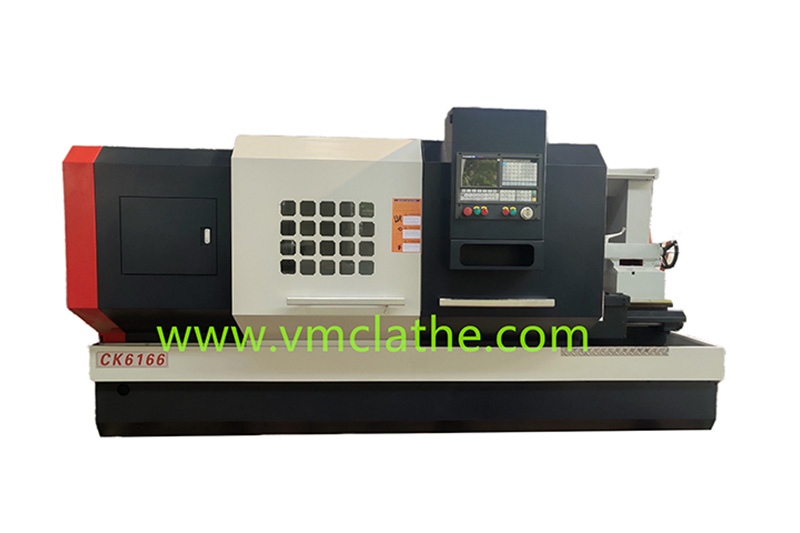
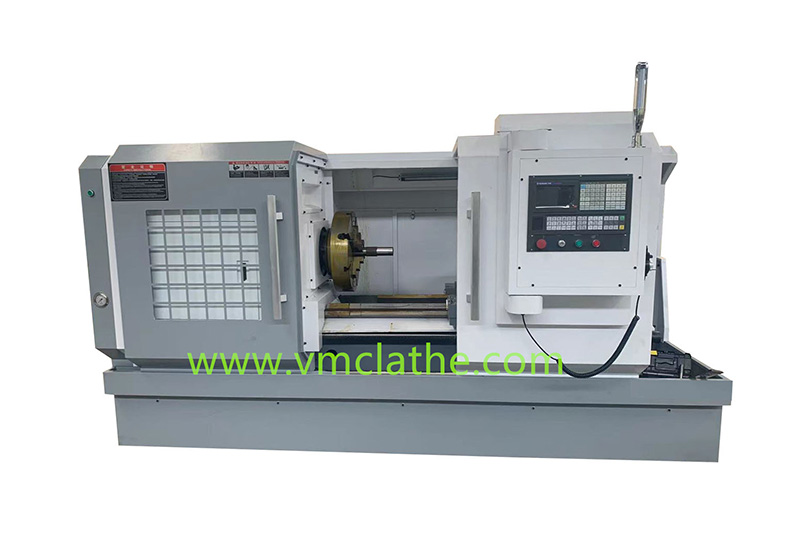
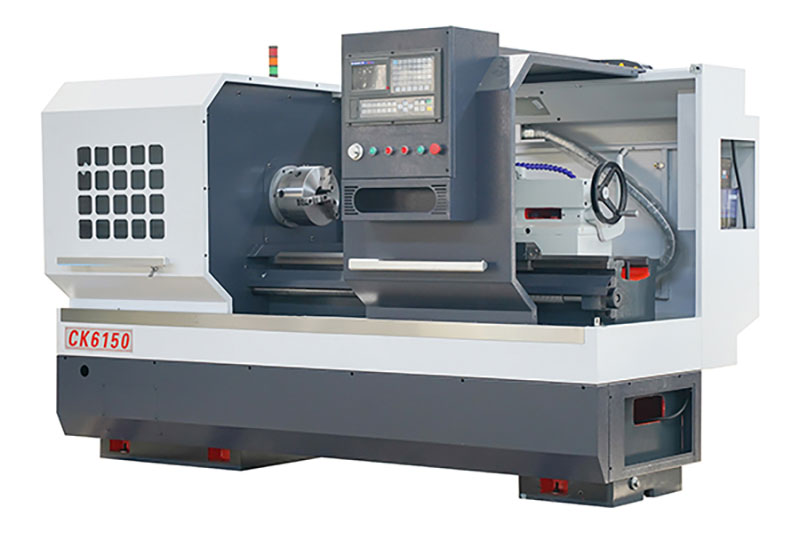
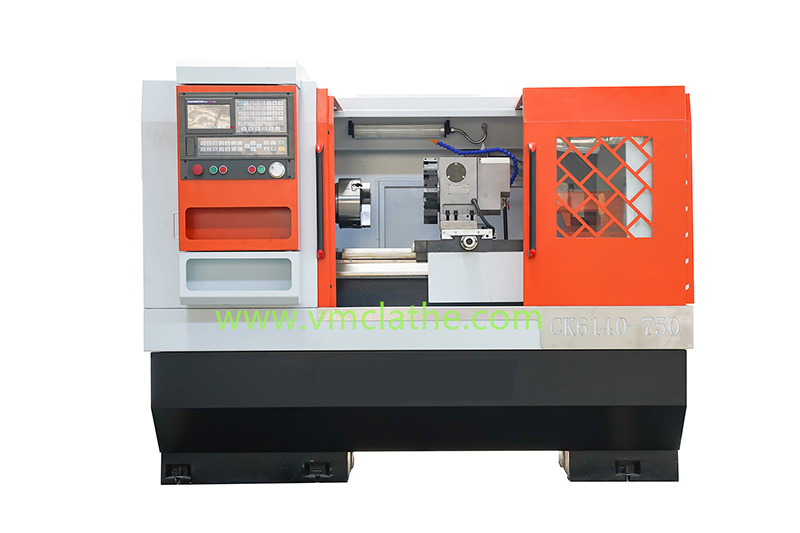
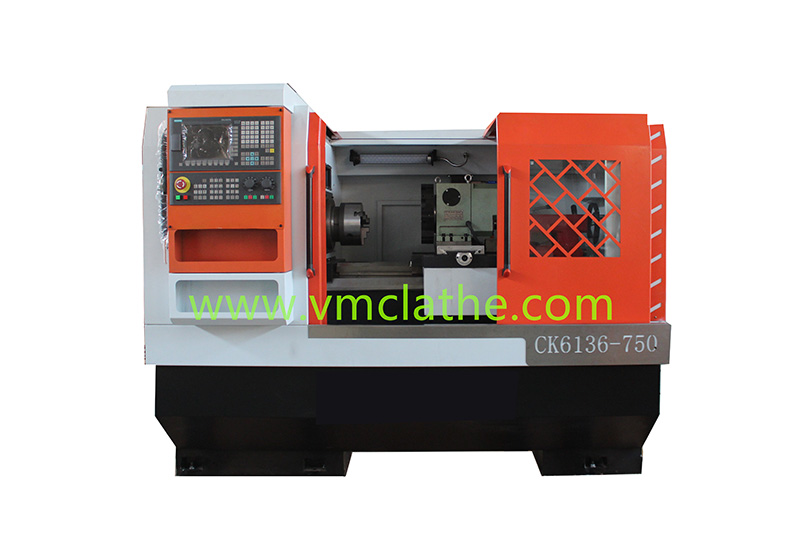
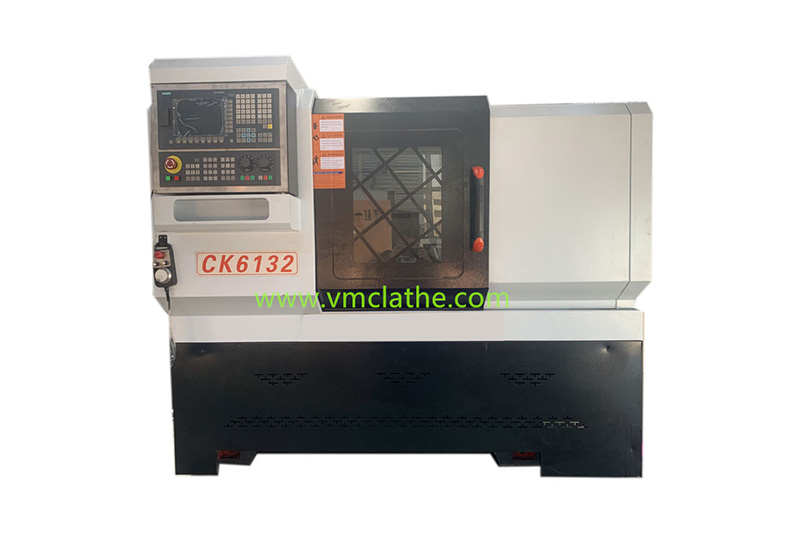
For many standard motor shaft applications, flat bed CNC lathes are widely used due to their stable structure, reliable performance, and mature machining technology.
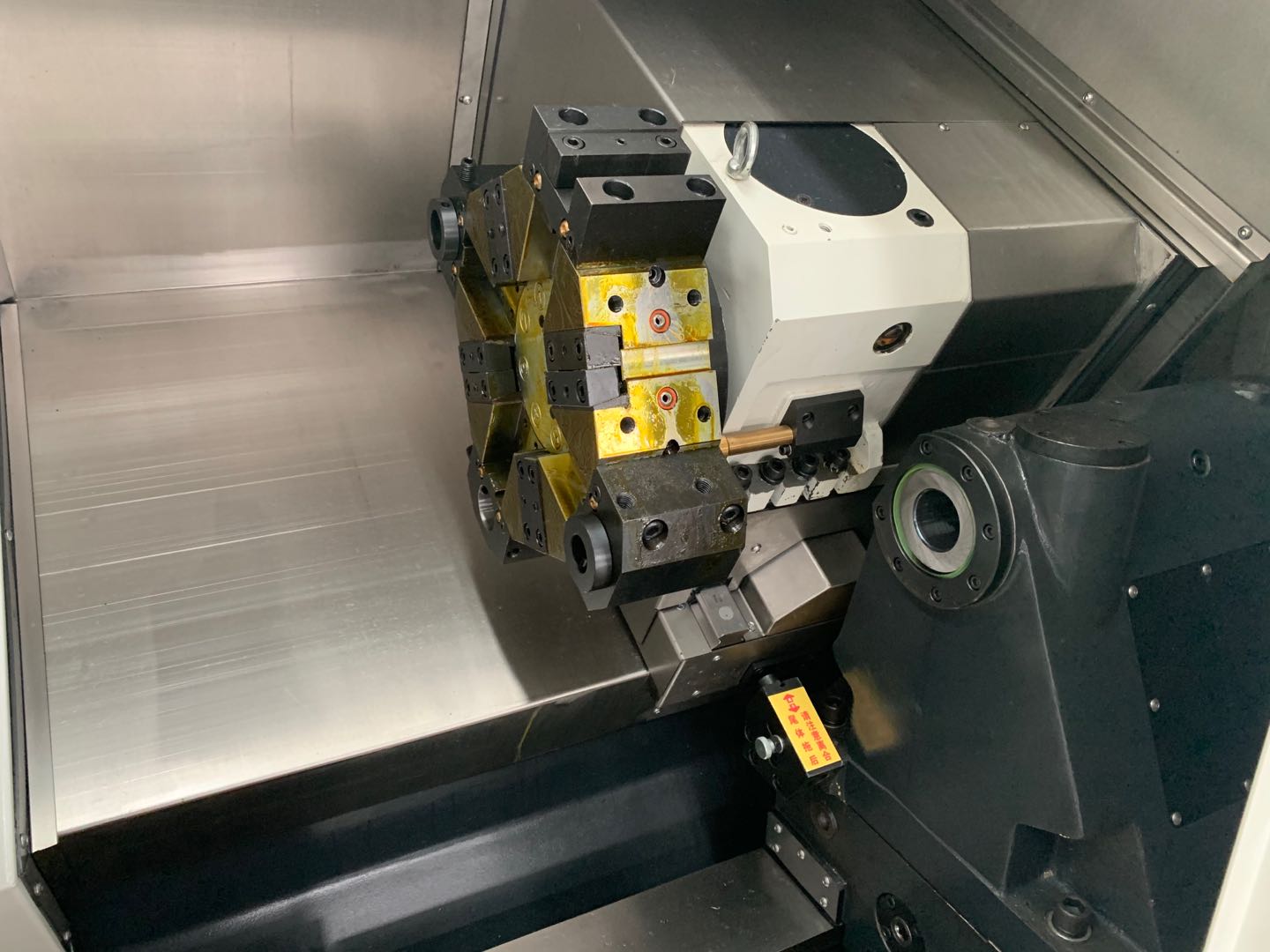
Flat bed CNC lathes typically feature a rigid, one-piece cast iron bed with horizontal guideways, providing good stiffness and vibration resistance. During turning operations such as outer diameter machining, facing, and threading, the machine maintains stable cutting conditions, which helps achieve consistent dimensions and surface quality. This makes flat bed CNC lathes suitable for small to medium batch production and long-term continuous operation.
With CNC control, multiple turning processes—including external turning, end face machining, threading, and grooving—can be completed in a single setup. This reduces manual intervention and improves production efficiency and part-to-part consistency. For long or slender motor shafts, tailstock support or a steady rest can be used to ensure concentricity and straightness during machining.
A typical motor shaft machining process includes raw material preparation, reference surface machining, rough turning, optional heat treatment, finish turning, and final inspection. Common materials include carbon steel and alloy steel such as 45#, 40Cr, and 42CrMo. Depending on application requirements, shafts may undergo quenching and tempering or surface hardening. For bearing seats and other critical surfaces, finish grinding is often applied after turning to achieve higher precision and better surface finish.
In applications such as industrial motors, gear motors, and automation equipment, flat bed CNC lathes remain a proven and cost-effective solution for reliable motor shaft machining.