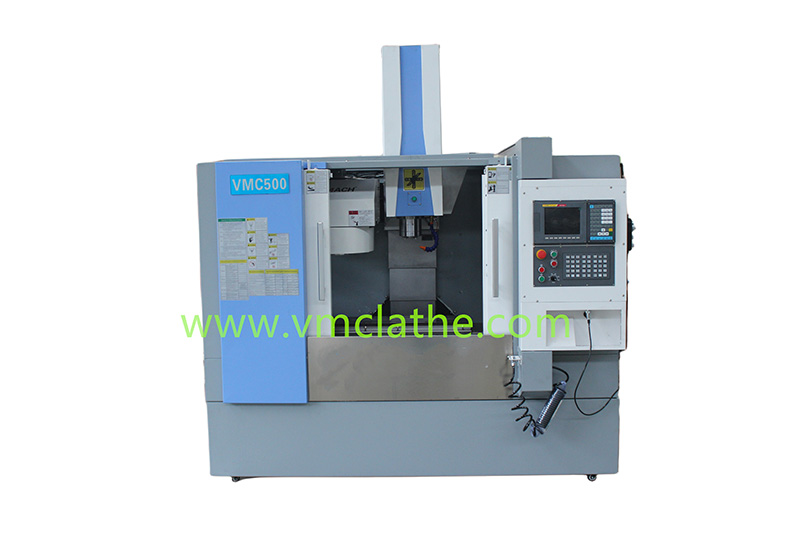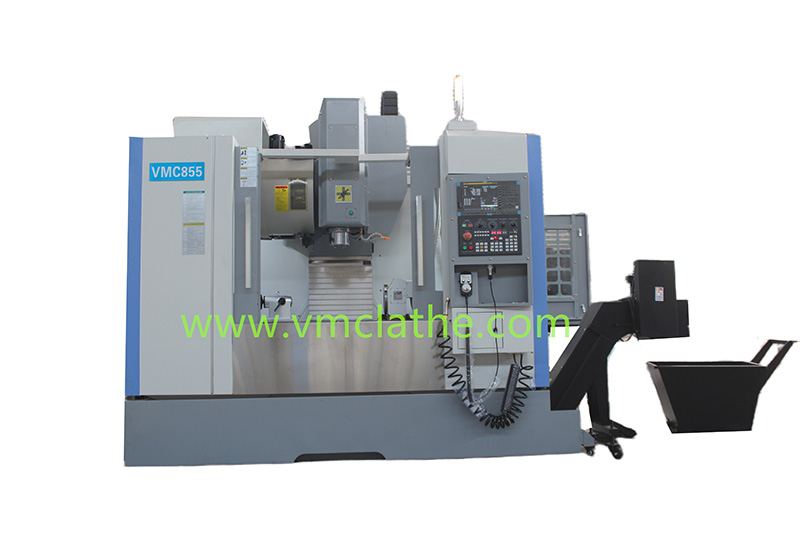
One of the questions I often receive from customers is:
“Can a CNC machining center machine transmission housings?”
The answer is:
Yes, absolutely.
In fact, transmission housings are one of the most common applications for CNC machining centers in the automotive and industrial machinery industries.
Today, let’s discuss how transmission housings are machined, what type of machining center is suitable, and what machine configurations should be considered.
What Is a Transmission Housing?
A transmission housing is the main structural component of a gearbox.
Its functions include:
Supporting shafts and bearings
Maintaining gear alignment
Protecting internal transmission components
Holding lubrication oil
Common materials include:
Cast iron
Aluminum alloy
Ductile iron
The machining accuracy requirements are usually quite high because bearing bores, mounting surfaces, and shaft center distances directly affect gearbox performance.
What Operations Are Required?
A transmission housing is rarely completed in a single setup.
Typical machining operations include:
Face Milling
Machining mounting surfaces and reference planes.
Common features:
Large flat surfaces
High flatness requirements
Drilling
Creating:
Bolt holes
Threaded holes
Dowel pin holes
Oil passage holes
Many transmission housings contain dozens or even hundreds of holes.
Tapping
Threading operations for assembly bolts and covers.
Boring
One of the most critical operations.
Used for:
Bearing seats
Shaft bores
Gear support bores
These features often require high positional accuracy.
Circular Interpolation Milling
Used for larger bores and special cavity features.
Pocket Milling
Removing excess material and creating internal cavities.
What Type of Machining Center Is Suitable?
The answer depends on production volume.
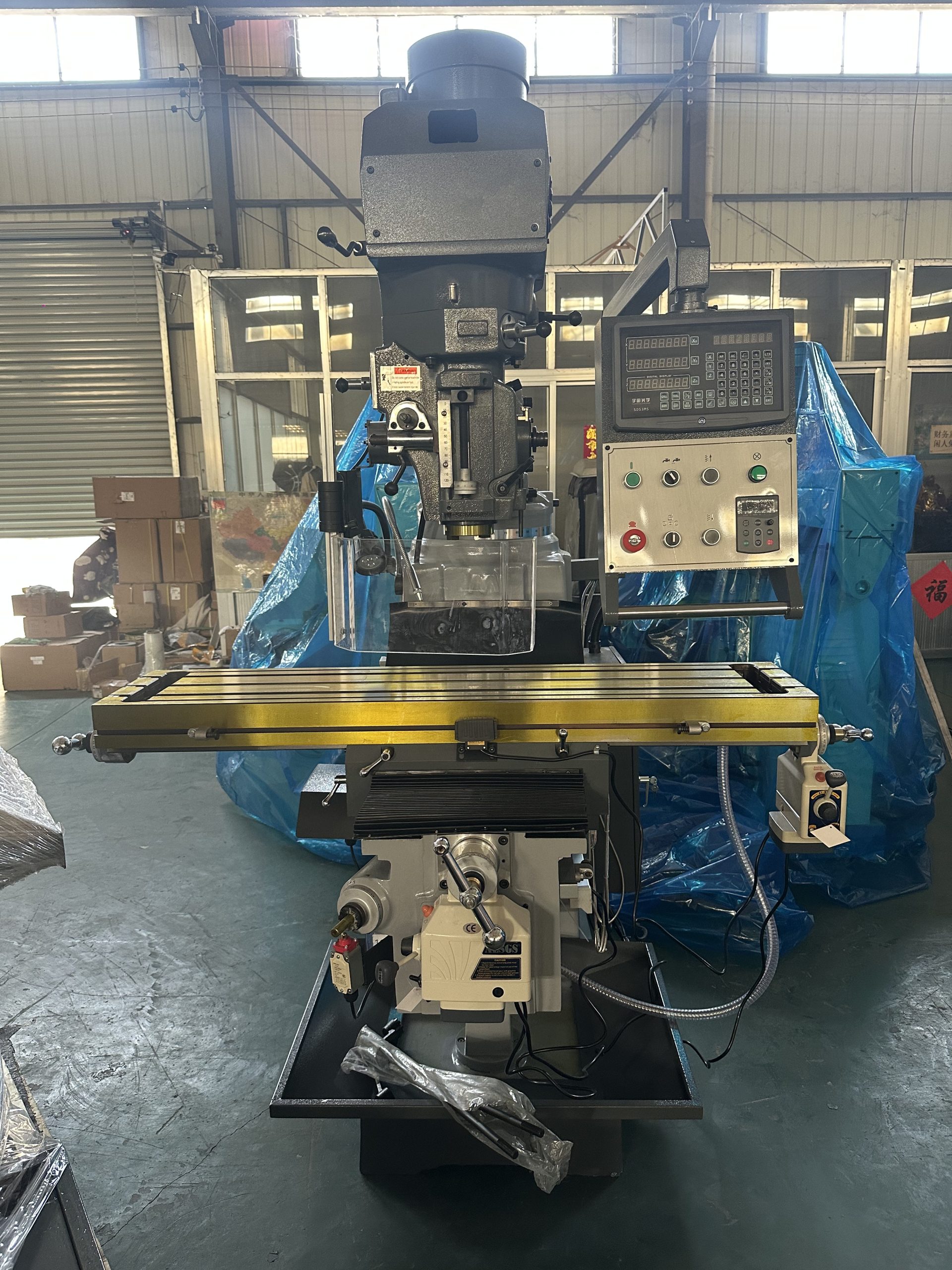
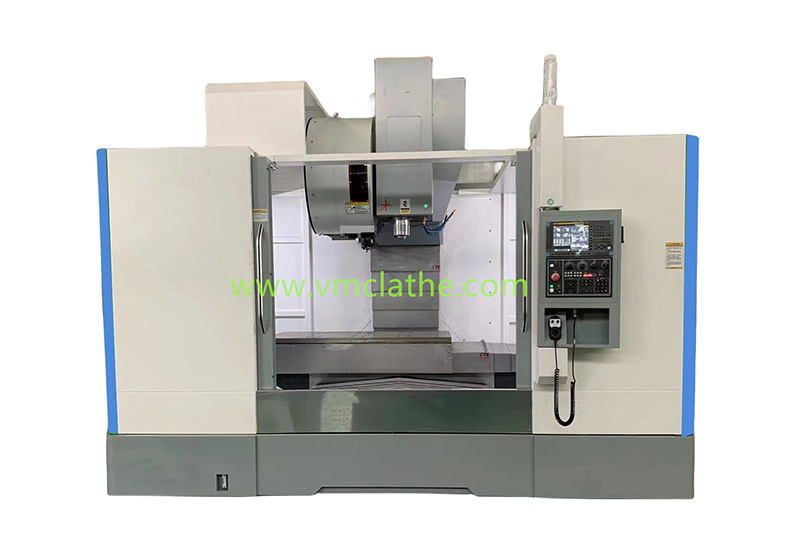
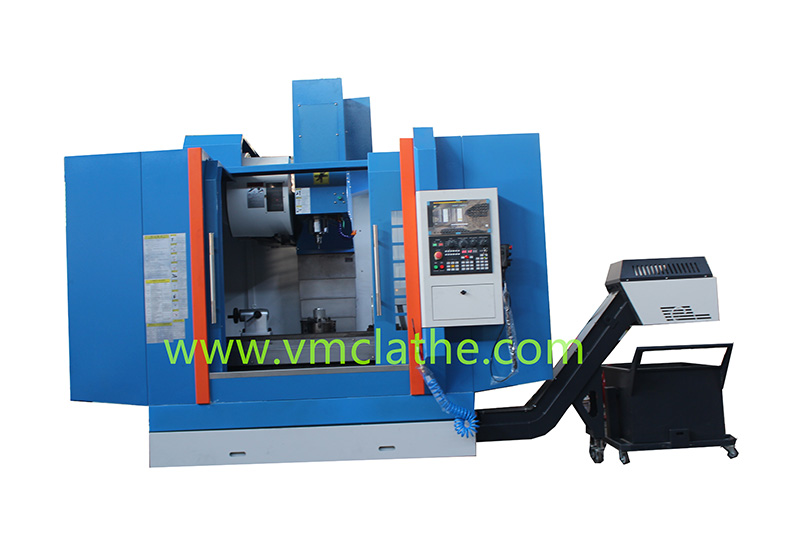
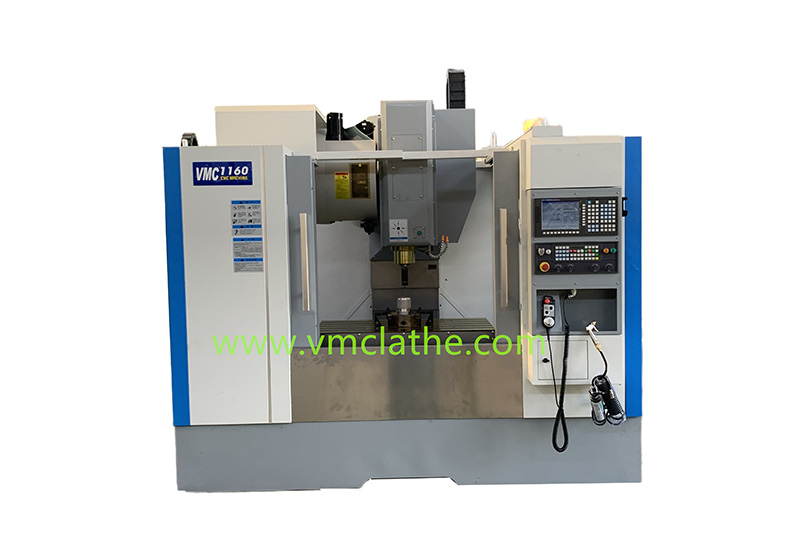
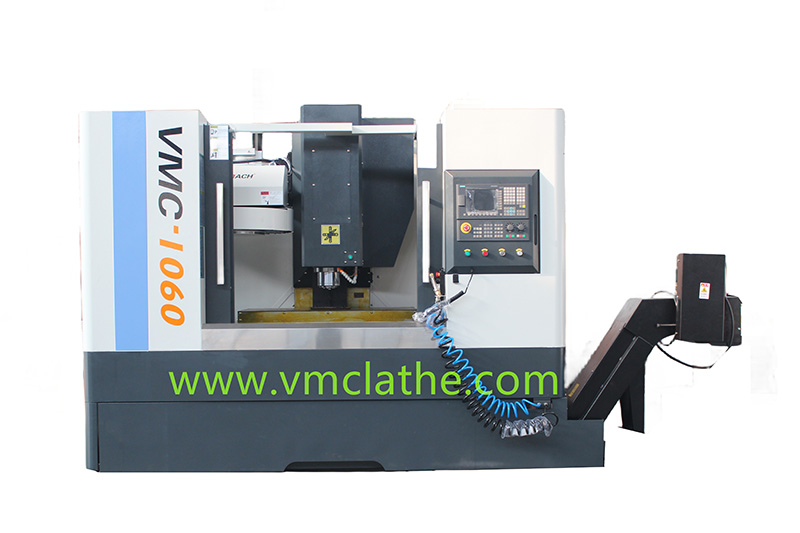
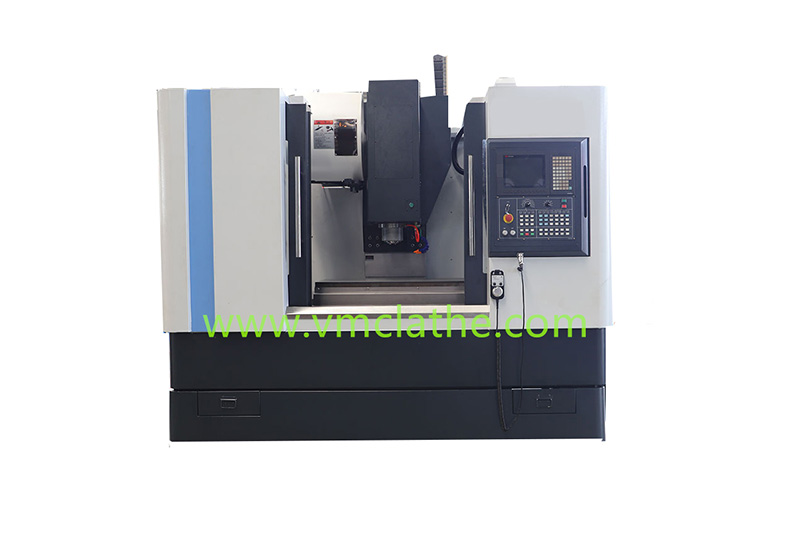
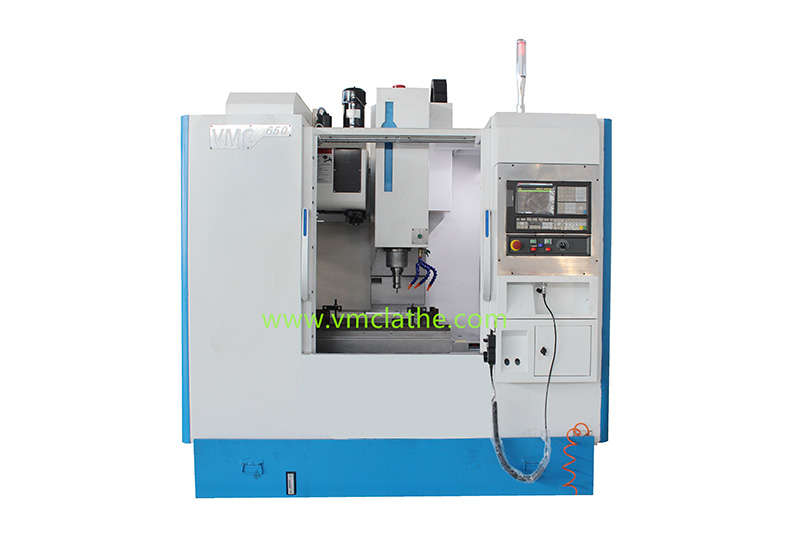
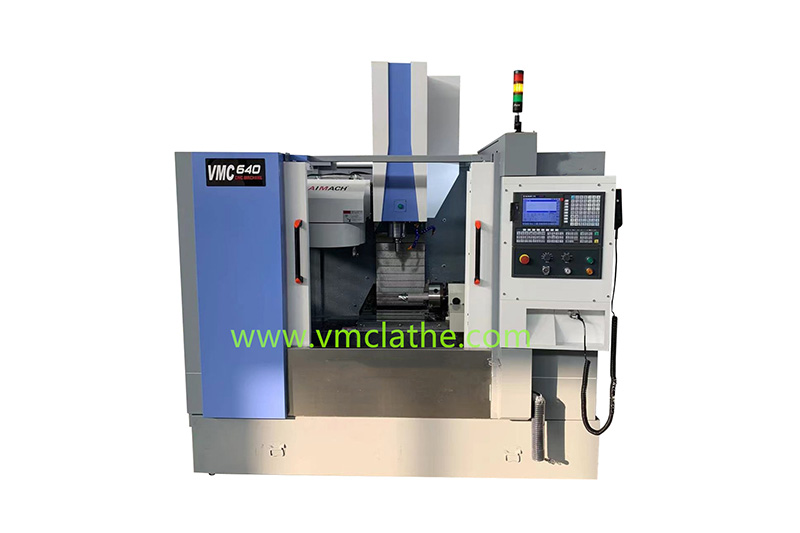
Option 1: Vertical Machining Center (VMC)
Suitable for:
Small batch production
Prototype parts
Job shops
Common models include:
VMC850
VMC1060
VMC1160
VMC1270
Advantages:
Lower investment cost
Easier operation
Flexible production
For many small and medium gearbox manufacturers, a VMC is sufficient.
Option 2: Horizontal Machining Center (HMC)
Suitable for:
Medium and large production volumes
Automotive components
Mass production
Advantages:
Multiple-face machining
Better chip evacuation
Higher productivity
This is why many automotive factories use horizontal machining centers for transmission housings.
Option 3: 5-Axis Machining Center
Suitable for:
Complex housings
Aerospace gearboxes
High-end industrial transmissions
Advantages:
Fewer setups
Improved accuracy
Reduced fixture requirements
However, machine investment is significantly higher.
Why Are Horizontal Machining Centers Often Preferred?
Many customers ask:
“If a VMC can machine transmission housings, why do large manufacturers use HMCs?”
There are several reasons.
Better Chip Removal
Transmission housings contain many pockets and cavities.
In a vertical machine, chips tend to accumulate.
In a horizontal machine, gravity helps chips fall away from the cutting area.
Multiple-Side Machining
Many gearbox housings require machining on:
Front face
Rear face
Left side
Right side
An HMC with a rotary table can machine multiple faces in one setup.
Higher Productivity
Less setup time.
Fewer fixture changes.
Higher machine utilization.
What Accuracy Is Required?
Typical gearbox housing tolerances may include:
Bearing Bores
IT6 to IT7 tolerance grades
Bore Position Accuracy
Often within:
0.01 mm
0.02 mm
Flatness
Mounting surfaces may require:
0.02 mm
0.05 mm
depending on application.
Therefore, machine rigidity and thermal stability are very important.
Recommended Machine Configurations
If you plan to machine transmission housings, I generally recommend:
CNC System
Fanuc
Siemens
Mitsubishi
For stable long-term production.
Tool Magazine
At least:
24 tools
Many transmission housing programs require numerous tools.
Spindle
Depending on material:
Aluminum Housing
10,000 RPM
12,000 RPM
Cast Iron Housing
High torque spindle preferred
Coolant System
Strong coolant flow is recommended.
For deeper bores:
Coolant Through Spindle (CTS) is highly beneficial.
Probe System
Renishaw workpiece probing can:
Reduce setup time
Improve consistency
Reduce operator errors
Typical Machining Process
A simplified process may look like this:
Fixture setup
Face milling
Rough pocket milling
Drilling
Tapping
Rough boring
Finish boring
Precision hole machining
Deburring
Inspection
Depending on complexity, multiple setups may be required.
Final Thoughts
So, can a CNC machining center machine transmission housings?
Absolutely.
For small and medium production volumes, a vertical machining center is often sufficient.
For automotive mass production, horizontal machining centers are usually the preferred solution.
When selecting a machine, focus on:
✓ Part size
✓ Material
✓ Production volume
✓ Required accuracy
✓ Number of machining operations
Choosing the right machine is far more important than simply choosing the cheapest machine.
A properly selected machining center can improve productivity, reduce setup time, and ensure consistent gearbox housing quality for years to come.