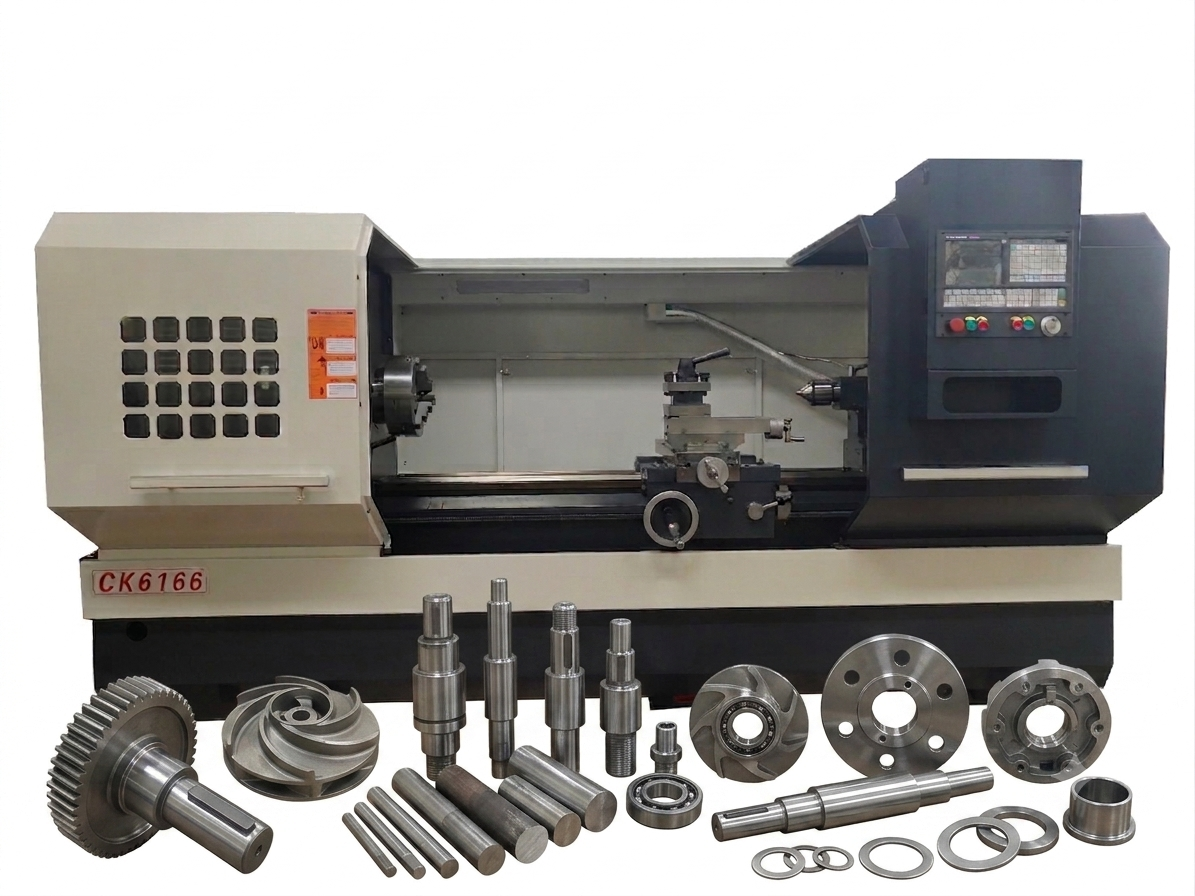
In the world of modern manufacturing, certain machining tasks demand more than standard equipment can deliver. When workpieces are measured in tons rather than kilograms—when materials push the limits of cutting tools—heavy-duty CNC lathes step into their element.
This article explores how these powerful machines work and why they are indispensable in industries like aerospace, energy, shipbuilding, and heavy equipment manufacturing .
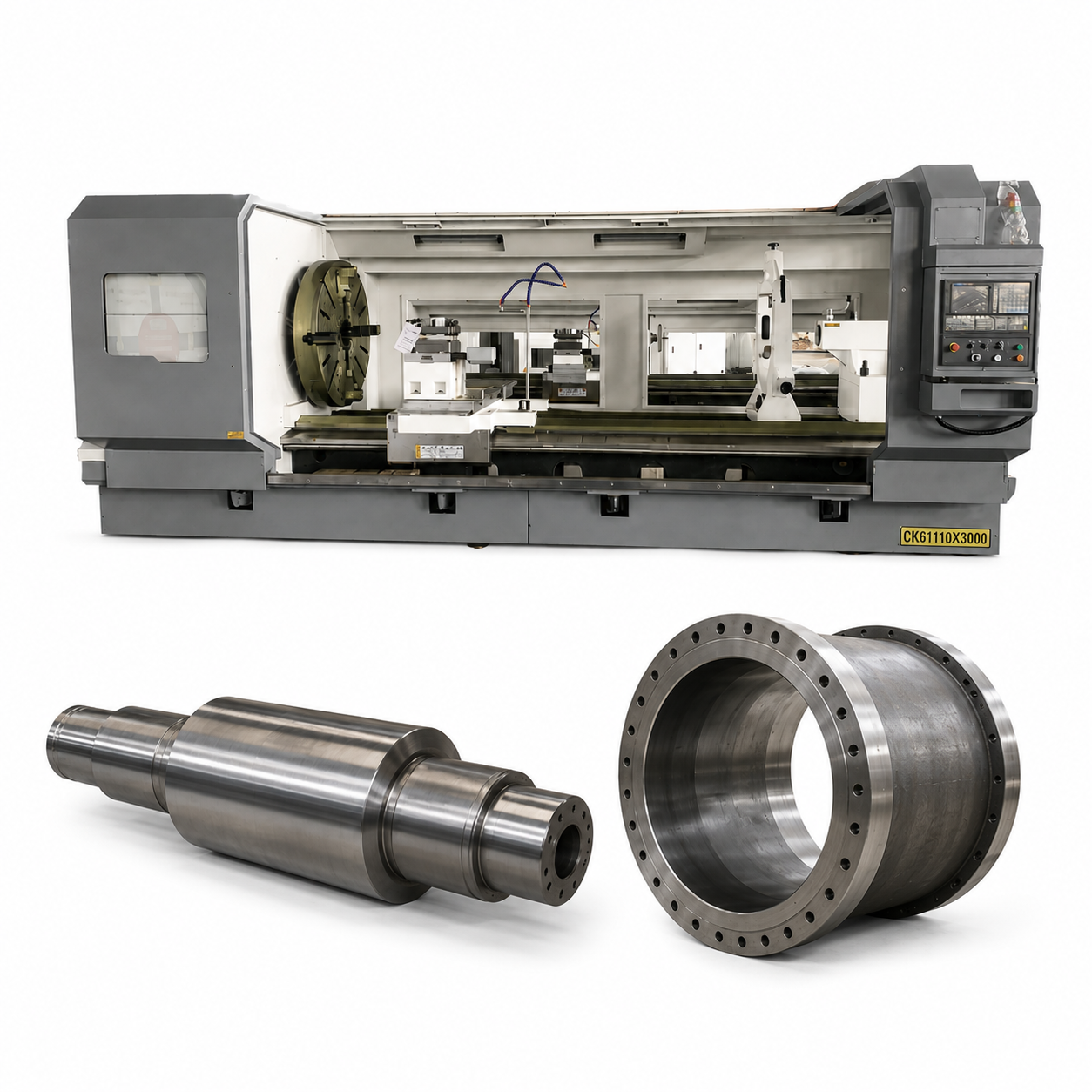
What Defines a Heavy-Duty CNC Lathe?
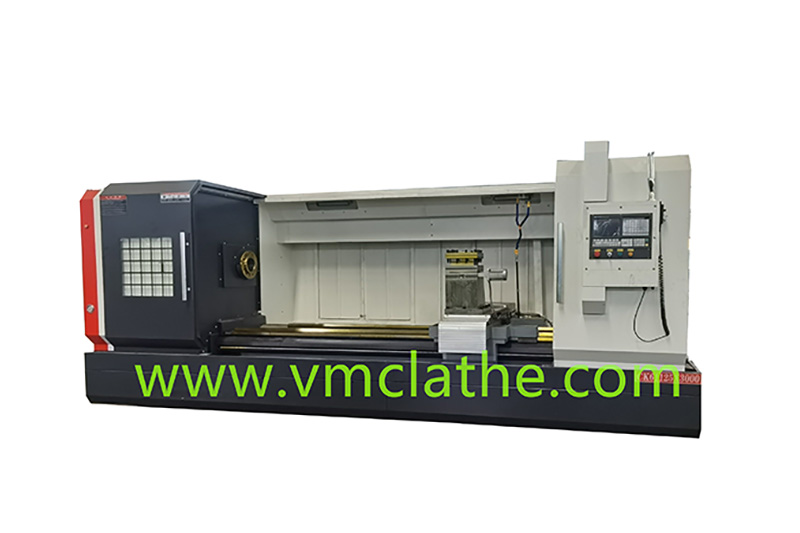
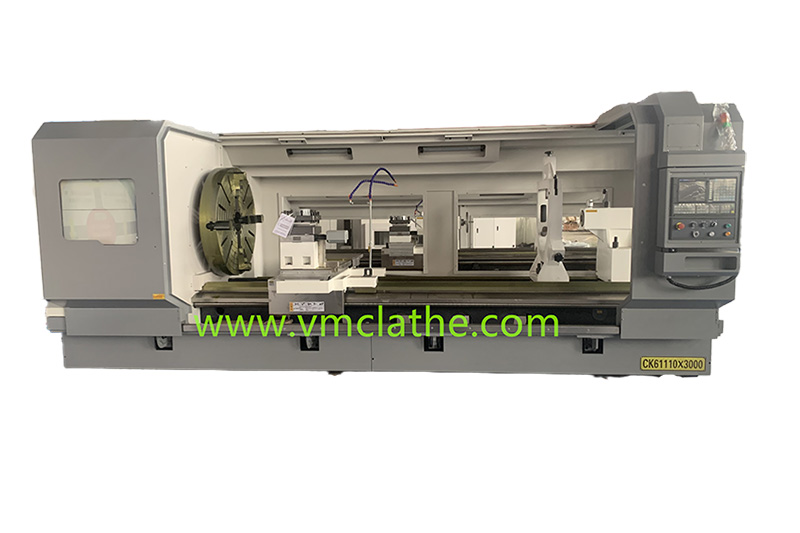
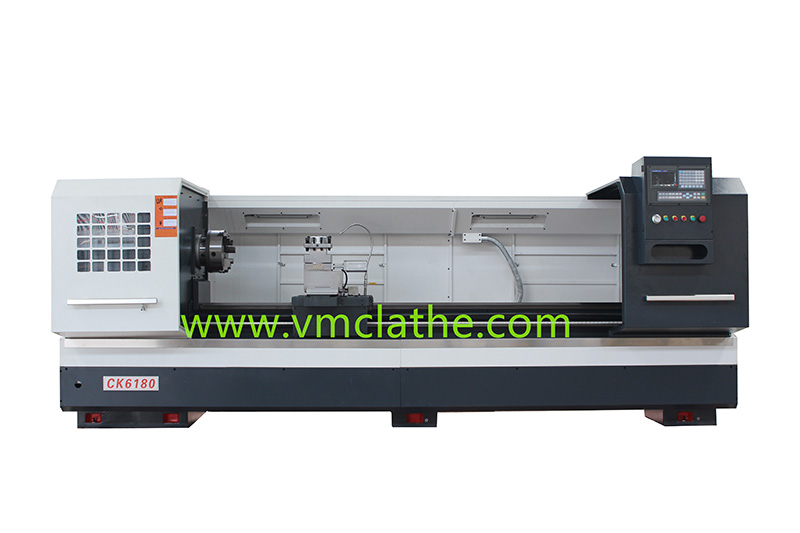
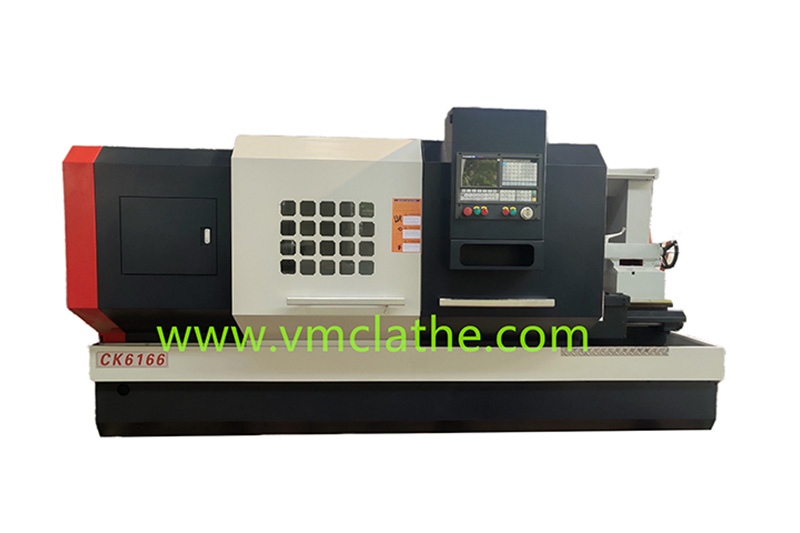
A heavy-duty CNC lathe is a computer numerical control machine tool specifically designed for machining **large, heavy, and challenging workpieces** . While the basic turning principle remains the same—workpiece rotation combined with tool feeding—these machines are systematically optimized for heavy cutting conditions .
Unlike standard CNC lathes that balance speed and precision for general tasks, heavy-duty lathes prioritize rigidity, torque, and stability above all else . They are not simply “larger” lathes—they are complete engineered solutions for long-term, stable heavy-duty cutting .
The Working Principle of Heavy-Duty CNC Lathes
1. The Main Motion System (Spindle)
The spindle is the heart of any lathe, and in heavy-duty machines, it is engineered for raw power. These systems typically feature:
– High-torque motors capable of delivering substantial twisting force at low and medium speeds
– Large-modulus gearboxes or high-power electric spindles that maintain stable torque even under heavy loads
– Heavy-load bearings (multi-row cylindrical roller or sliding bearings) that withstand both radial and axial forces
This design allows the machine to take deep cuts on large-diameter workpieces and machine tough materials like alloy steel, stainless steel, and cast iron . While standard CNC lathes might have spindle motors in the 5.5 kW range, heavy-duty machines often feature 30 kW to 55 kW (40 to 74 horsepower) motors or more .
2. The Feed System
To maintain precision under extreme loads, heavy-duty CNC lathes use:
– Large-size ball screws or gear rack drives capable of handling high forces
– Heavy-duty servo motors that ensure precise feeding even during aggressive cuts
– High-resolution encoders and closed-loop control for real-time position correction
3. CNC System Coordination
Modern heavy-duty CNC lathes are equipped with high-performance controllers that manage:
– Spindle and feed axis synchronization
– Real-time monitoring of cutting load to prevent overload
– Adaptive optimization of tool life and cutting parameters
– Pre-programmed complex cycles for efficient roughing and finishing operations
—
Key Structural Features
Exceptional Rigidity
The foundation of any heavy-duty lathe is its bed—and this is where the biggest differences emerge .
Heavy-duty CNC lathe beds are significantly larger and heavier than standard machines. They feature:
– Massive, one-piece reinforced castings (often resin sand or high-strength cast iron)
– Dense internal rib structures with double-wall designs for maximum stability
– Wide, hardened, and precision-ground guideways that provide large contact areas for load distribution
Box guideways (sliding guideways) are preferred over linear guideways in most heavy-duty designs . Why? Because under heavy cutting conditions, cutting forces are large, fluctuating, and impactful. Box guideways, with their large contact area, effectively absorb vibration and impact energy—an advantage linear guideways cannot match .
High-Power Spindle Systems
Heavy-duty CNC lathes feature:
– Large spindle diameters supported by robust bearings
– Advanced cooling and lubrication systems to manage heat from sustained heavy cutting
– Sophisticated thermal compensation to prevent dimensional drift during long machining cycles
Reinforced Tooling Systems
These machines use heavy-duty turrets or vertical tool posts capable of accommodating large cross-section tools. They are designed for strong impact resistance, making them suitable for intermittent cutting operations .
—
Key Advantages of Heavy-Duty CNC Lathes
1. Superior Stability and Precision Under Load
The combination of rigid construction and wide guideways minimizes vibration, which is crucial when machining large-diameter, high-strength materials . This rigidity ensures:
– Consistent dimensional accuracy
– Extended tool life
– Fine surface finishes even on parts exceeding several meters in length
2. High Material Removal Capability
With powerful spindles and high-torque motors, heavy-duty CNC lathes can remove large amounts of material efficiently. This makes them ideal for:
– Rough machining of large components
– Deep hole machining operations
– Machining high-strength alloys that would stall standard equipment
3. Versatility in Operations
Modern heavy-duty CNC lathes offer more than basic turning. With optional features like live tooling, C-axis functionality, tailstocks, and steady rests, these machines can perform:
– Boring
– Grooving
– Drilling
– Profiling
– Threading
All in a single setup, supporting both high-volume production and low-quantity, high-mix part runs .
4. Long-Term Reliability
Built with rugged materials and precision components, heavy-duty CNC lathes are designed for continuous operation in demanding environments . Their low maintenance requirements, combined with consistent performance, result in:
– Lower total cost of ownership
– Improved return on investment over time
– Reduced downtime in critical production environments
5. Automation Integration
Modern heavy-duty CNC lathes can be integrated with:
– Automatic loading systems
– Robotic arms and conveyor solutions
– Programmable tailstocks and tool management systems
– Automatic chip conveyors for effective debris removal
These features reduce manual handling, improve safety, and support continuous operation in high-volume environments .
—
Applications Across Industries
Heavy-duty CNC lathes are indispensable in several sectors :
| Industry | Typical Applications |
|———-|———————|
| Aerospace | Engine components, structural parts |
| Automotive | Crankshafts, drive shafts, engine blocks |
| Oil & Gas | Large valves, pipes, drilling equipment |
| Marine & Shipbuilding| Propeller shafts, marine components |
| Heavy Equipment| Gears, rollers, industrial parts |
| Energy | Wind turbine spindles, power plant components |
—
When Should You Invest in a Heavy-Duty CNC Lathe?
From a practical standpoint, investing in a heavy-duty CNC lathe becomes essential when :
1. Processing consistently large and heavy workpieces (routinely longer than 2 meters, diameters exceeding 400mm, weighing hundreds of kilograms to several tons)
2. High cutting force requirements for tough materials, aggressive rough machining, or deep hole operations
3. Continuous, high-volume production of robust parts requiring long-term operational stability
4. Machining complex, high-value structural parts where precision under extreme load is non-negotiable
—
Conclusion
Heavy-duty CNC lathes represent a significant investment, but for manufacturers working with large components and demanding materials, they are not a luxury—they are a necessity.
By combining exceptional structural rigidity , high-torque spindle systems , and advanced CNC automation, these machines deliver the stability, precision, and reliability required for the most challenging turning operations.
Whether you are manufacturing wind turbine shafts, oil and gas valves, or aerospace structural components, the right heavy-duty CNC lathe can transform your production capabilities and deliver consistent, high-quality results—part after part, shift after shift.