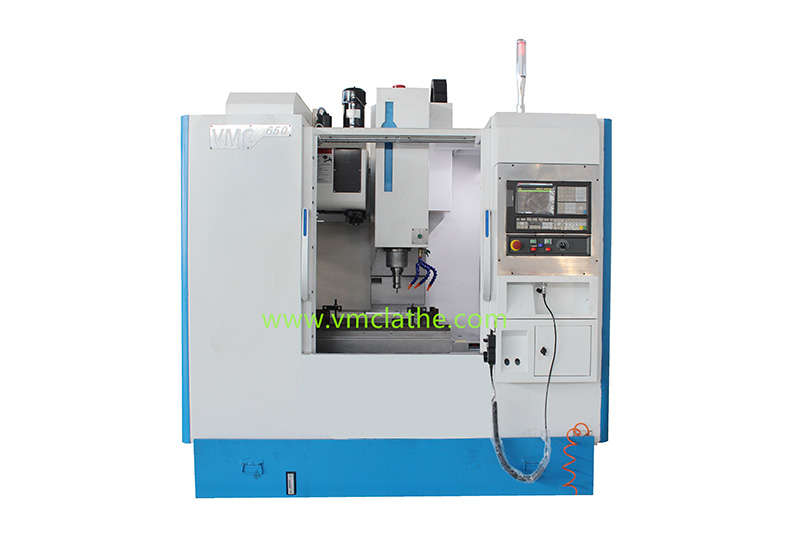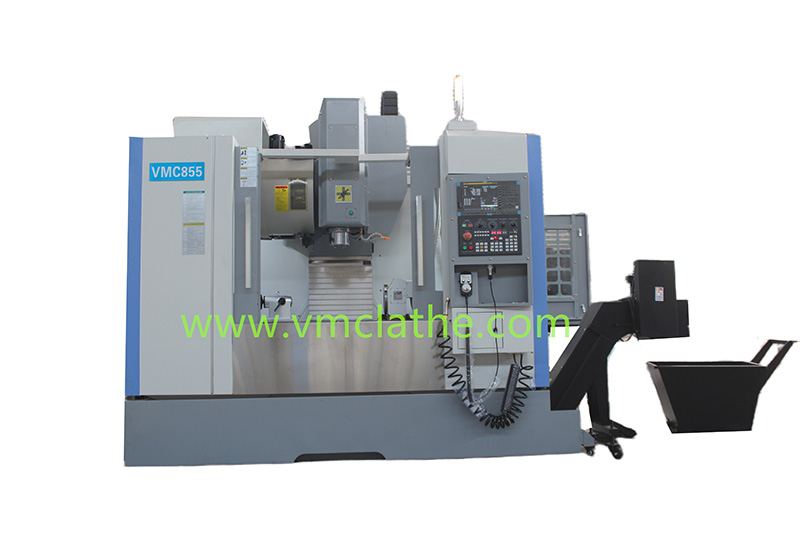
In the world of metalworking, milling machines play a crucial role in producing precision parts for industries such as automotive, aerospace, mold making, medical equipment, and general manufacturing. When selecting a milling machine, many buyers face an important question:
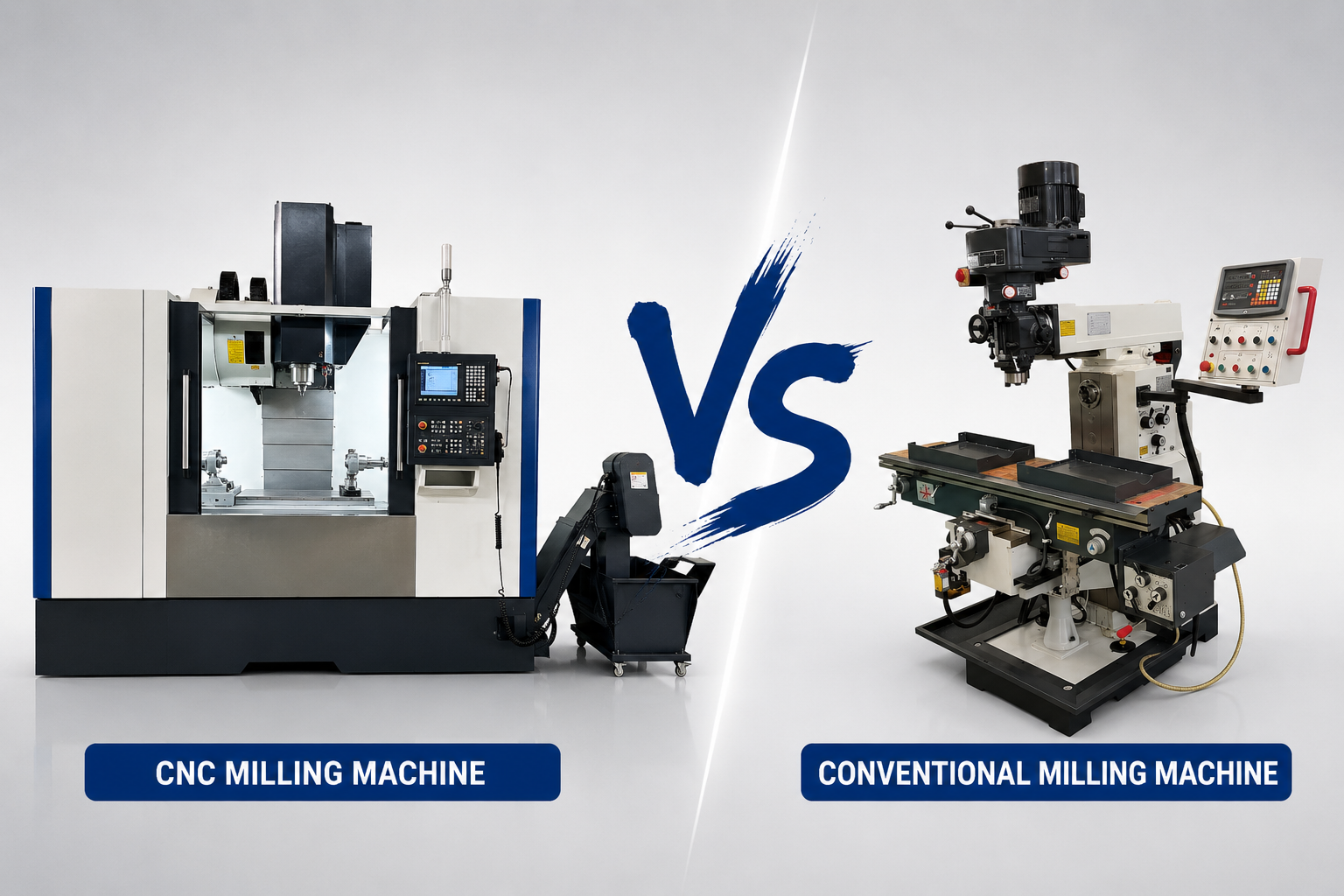
Should I choose a CNC milling machine or a conventional milling machine?
Although both machines are designed for material removal and machining operations, there are significant differences in terms of accuracy, efficiency, automation, and production capability.
This article explains the key differences between a CNC milling machine and a conventional milling machine to help manufacturers make an informed decision.
What Is a CNC Milling Machine?
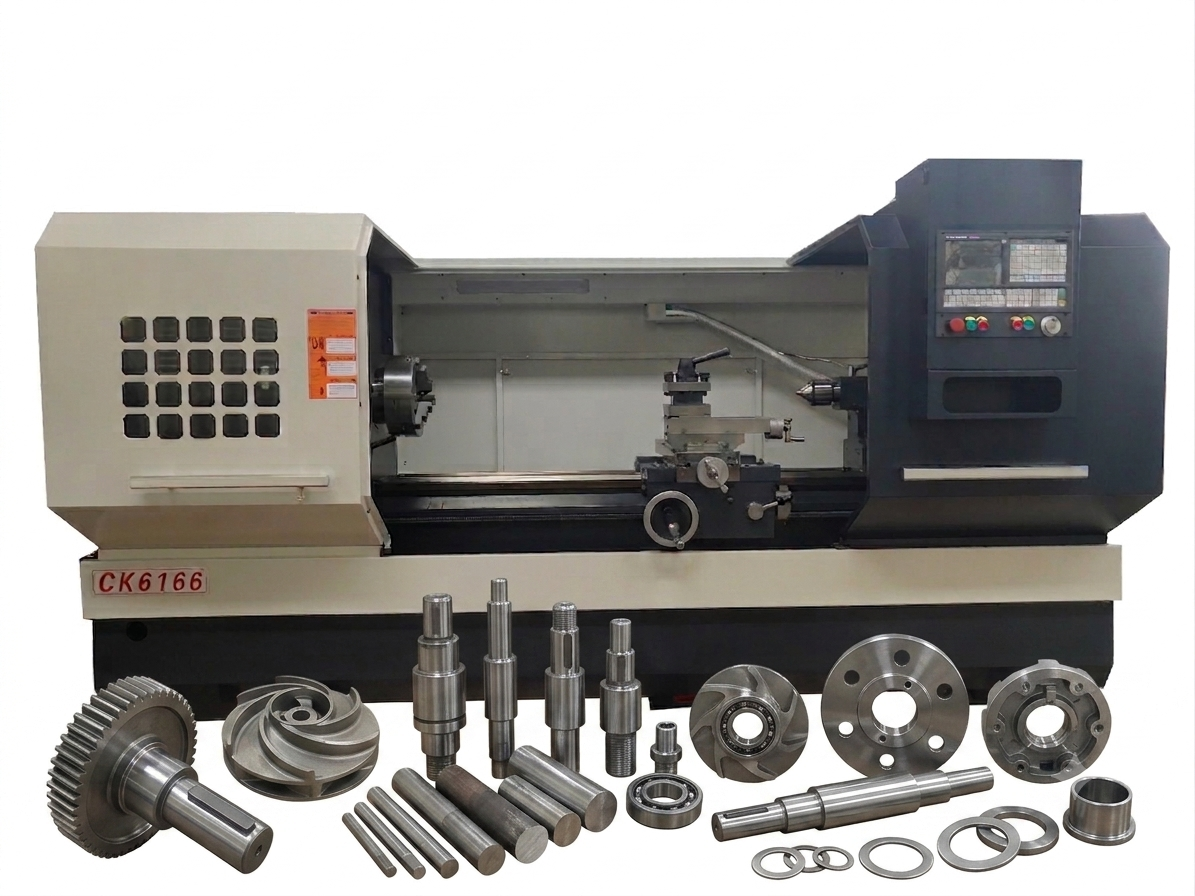
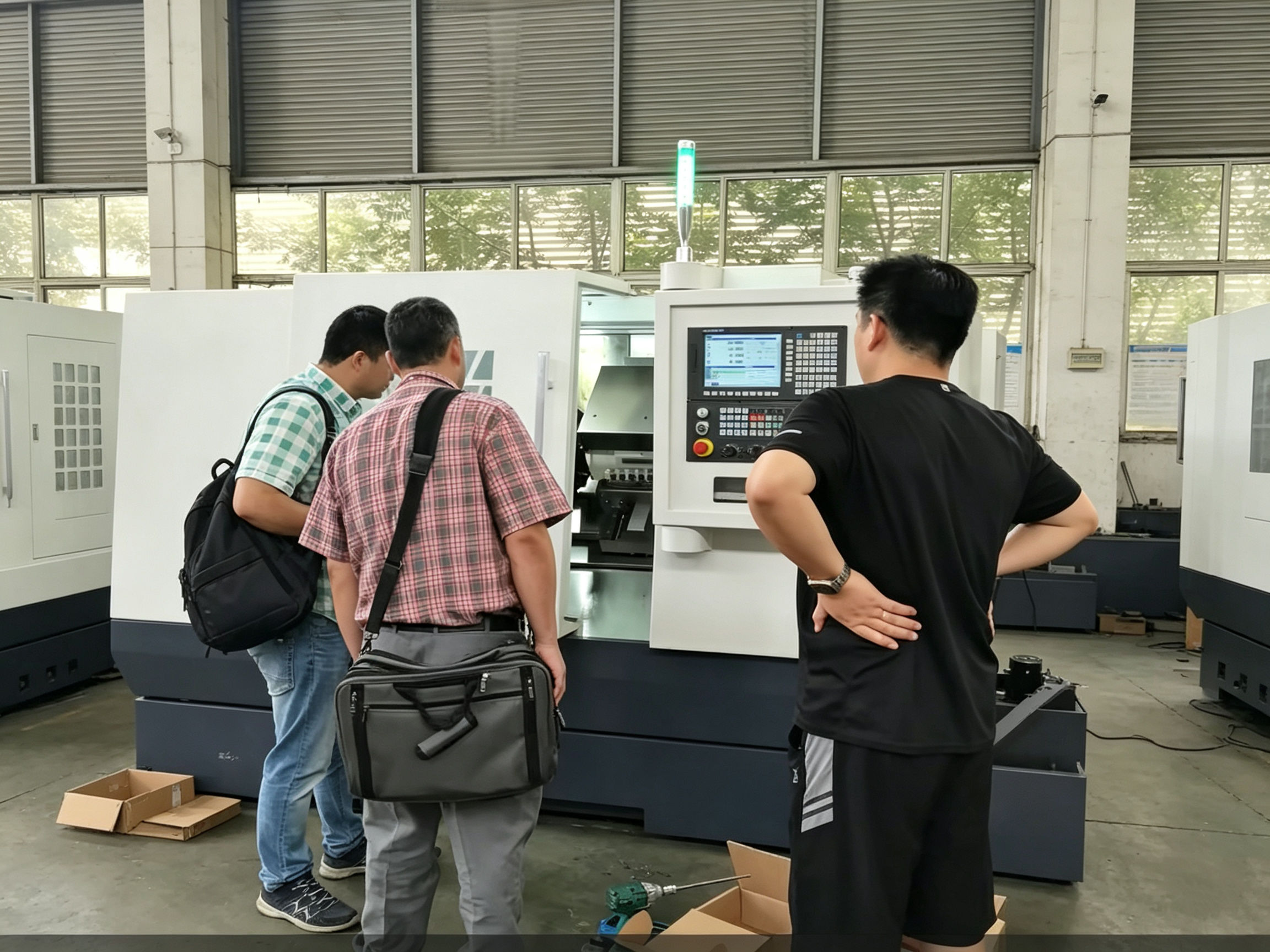
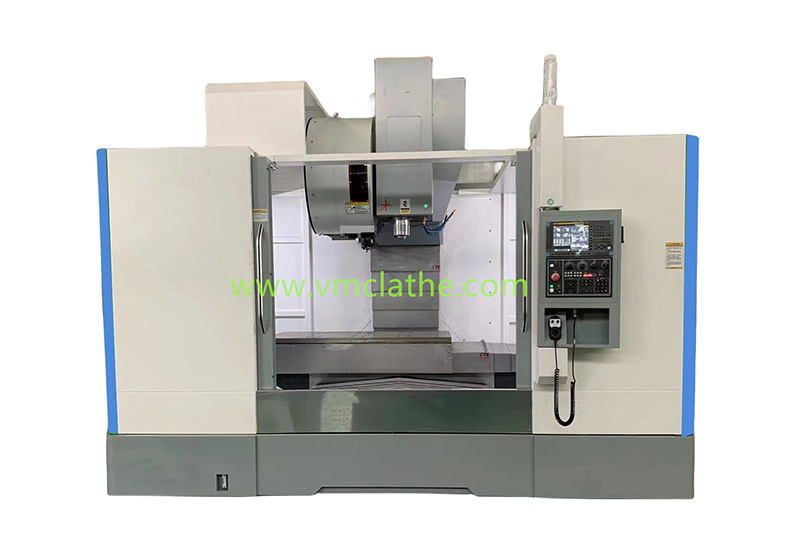
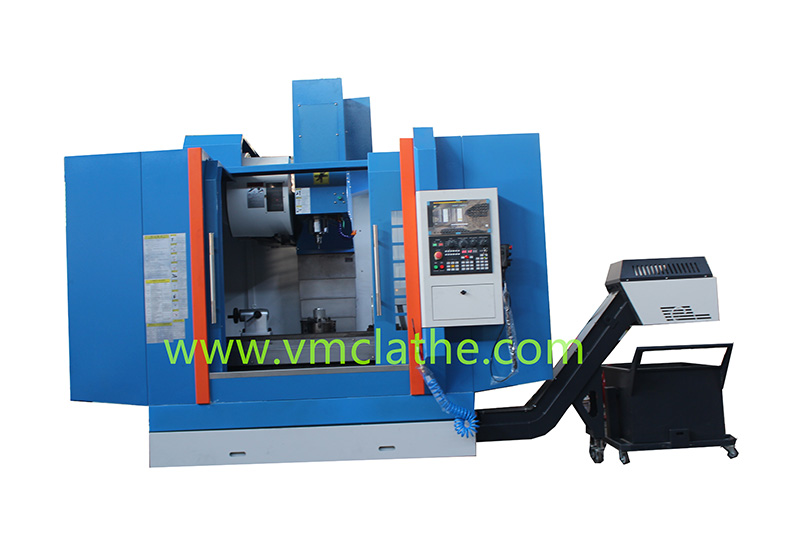
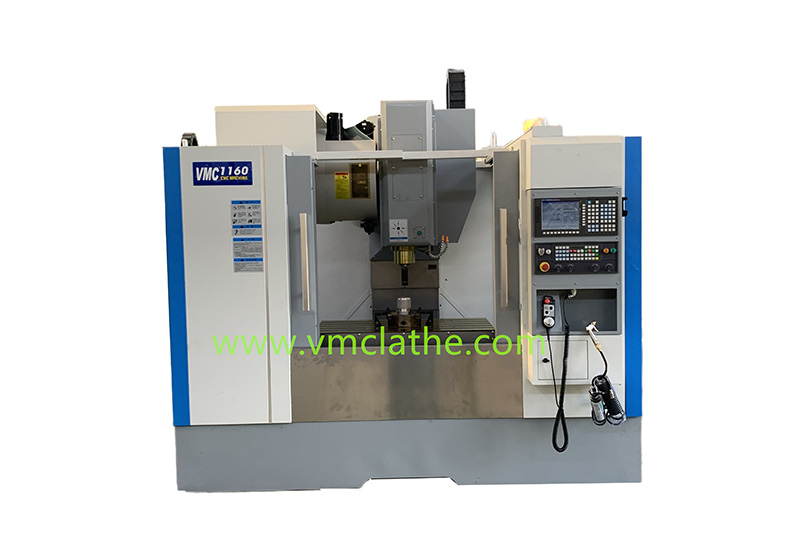
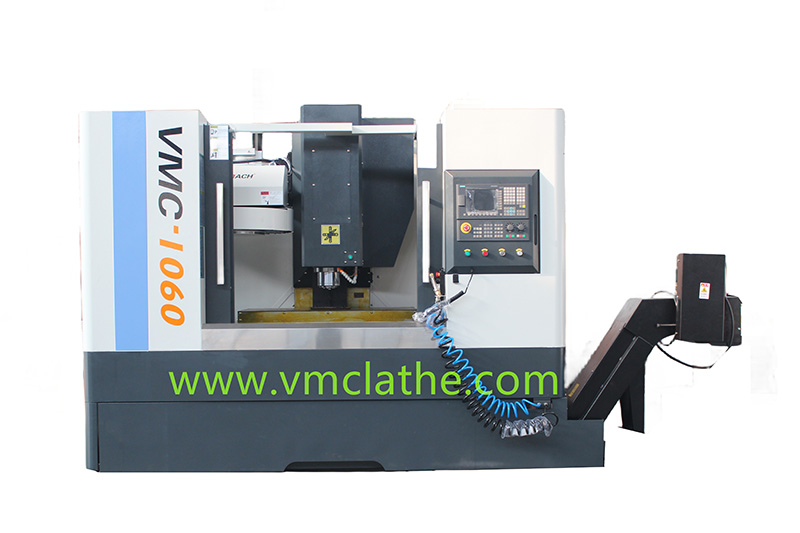
A CNC milling machine (Computer Numerical Control Milling Machine) is a computer-controlled machine tool that automatically performs machining operations based on programmed instructions.
The operator creates a machining program, and the machine executes the cutting process with minimal manual intervention.
Modern CNC milling machines can perform:
- Face milling
- Slot milling
- Drilling
- Tapping
- Contour machining
- 3D surface machining
Because of their automation and precision, CNC milling machines are widely used in modern manufacturing industries.
What Is a Conventional Milling Machine?
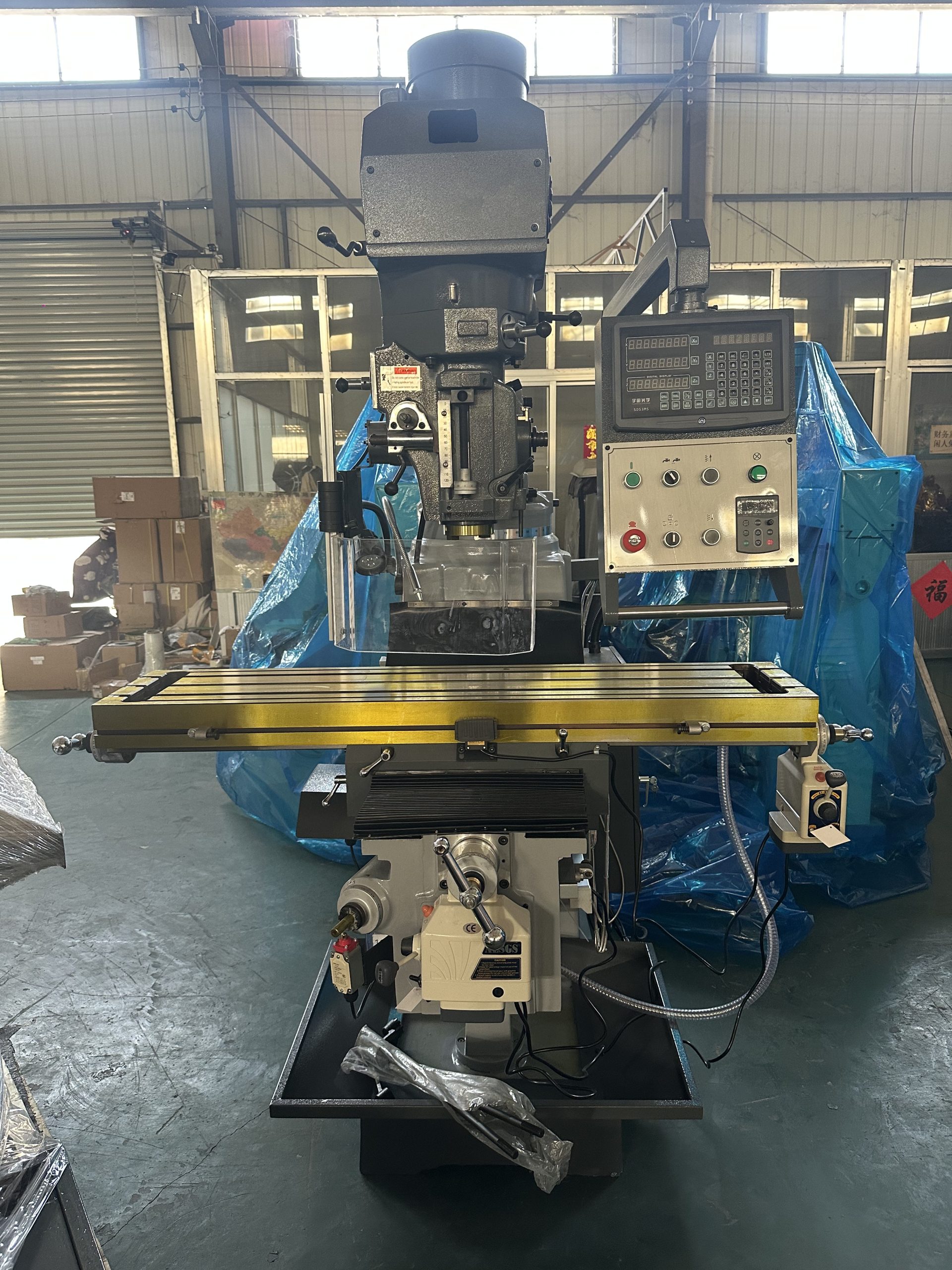
A conventional milling machine, also known as a manual milling machine, requires the operator to manually control the machine’s movements using handwheels and mechanical controls.
The machining process heavily depends on the skill and experience of the operator.
Conventional milling machines are commonly used for:
- Repair work
- Tool room operations
- Educational training
- Small-batch production
- Simple machining tasks
Although they have been used for decades, conventional milling machines are gradually being replaced by CNC technology in industrial production environments.
CNC Milling Machine vs Conventional Milling Machine
- Automation Level
The biggest difference lies in automation.
A CNC milling machine operates automatically after the program is loaded. The machine follows programmed coordinates with high precision and consistency.
A conventional milling machine requires continuous manual operation and monitoring throughout the machining process.
Winner: CNC Milling Machine
- Machining Accuracy
Precision is critical in modern manufacturing.
A CNC milling machine can repeatedly produce parts within very tight tolerances, often reaching micron-level accuracy.
In contrast, the accuracy of a conventional milling machine largely depends on operator skill, machine condition, and manual measurement.
For industries such as aerospace, medical devices, and mold manufacturing, CNC technology offers a clear advantage.
Winner: CNC Milling Machine
- Production Efficiency
A CNC milling machine can run continuously with minimal operator involvement.
Features such as automatic tool changers, high-speed spindles, and advanced control systems significantly improve productivity.
A conventional milling machine requires manual tool changes and constant operator attention, which increases production time.
For medium and large production volumes, CNC milling machines provide substantially higher efficiency.
Winner: CNC Milling Machine
- Labor Requirements
Operating a conventional milling machine often requires highly skilled machinists who manually control every machining step.
A CNC milling machine still requires trained personnel, but one operator can often manage multiple machines simultaneously.
This helps manufacturers reduce labor costs and improve production management.
Winner: CNC Milling Machine
- Initial Investment
One area where conventional milling machines still have an advantage is cost.
The purchase price of a conventional milling machine is typically much lower than that of a CNC milling machine.
For workshops with limited budgets or occasional machining requirements, a conventional machine may be a practical choice.
However, over the long term, the increased productivity and reduced labor costs of CNC equipment often provide a better return on investment.
Winner: Conventional Milling Machine (for lower initial cost)
- Complexity of Parts
Modern products often require complex geometries and intricate features.
A CNC milling machine can easily machine:
- Complex contours
- 3D surfaces
- Precision pockets
- Multiple-hole patterns
- Mold components
Producing these features on a conventional milling machine can be extremely time-consuming and difficult.
Winner: CNC Milling Machine
Comparison Table
| Feature | CNC Milling Machine | Conventional Milling Machine |
| Automation | High | Low |
| Accuracy | Excellent | Operator Dependent |
| Productivity | High | Moderate |
| Labor Requirement | Lower | Higher |
| Initial Cost | Higher | Lower |
| Complex Part Capability | Excellent | Limited |
| Repeatability | Excellent | Moderate |
| Mass Production | Ideal | Not Recommended |
Which Machine Should You Choose?
A conventional milling machine may be suitable if:
- You have a limited budget.
- You mainly perform repair work.
- Production volume is low.
- Parts are relatively simple.
A CNC milling machine is the better choice if:
- You require high precision.
- You produce parts in batches.
- Labor costs are a concern.
- You machine complex components.
- You want to improve production efficiency and consistency.
For most modern manufacturing companies, investing in a CNC milling machine is the most effective way to increase competitiveness and production capacity.
Conclusion
Both CNC milling machines and conventional milling machines have their place in manufacturing. However, as industries continue to demand greater precision, efficiency, and automation, CNC technology has become the preferred solution for most machining applications.
If your goal is to improve productivity, reduce labor dependency, and produce high-quality parts consistently, a CNC milling machine offers significant advantages over a conventional milling machine.
As manufacturing continues to evolve, CNC milling machines will remain a key driver of modern industrial production.