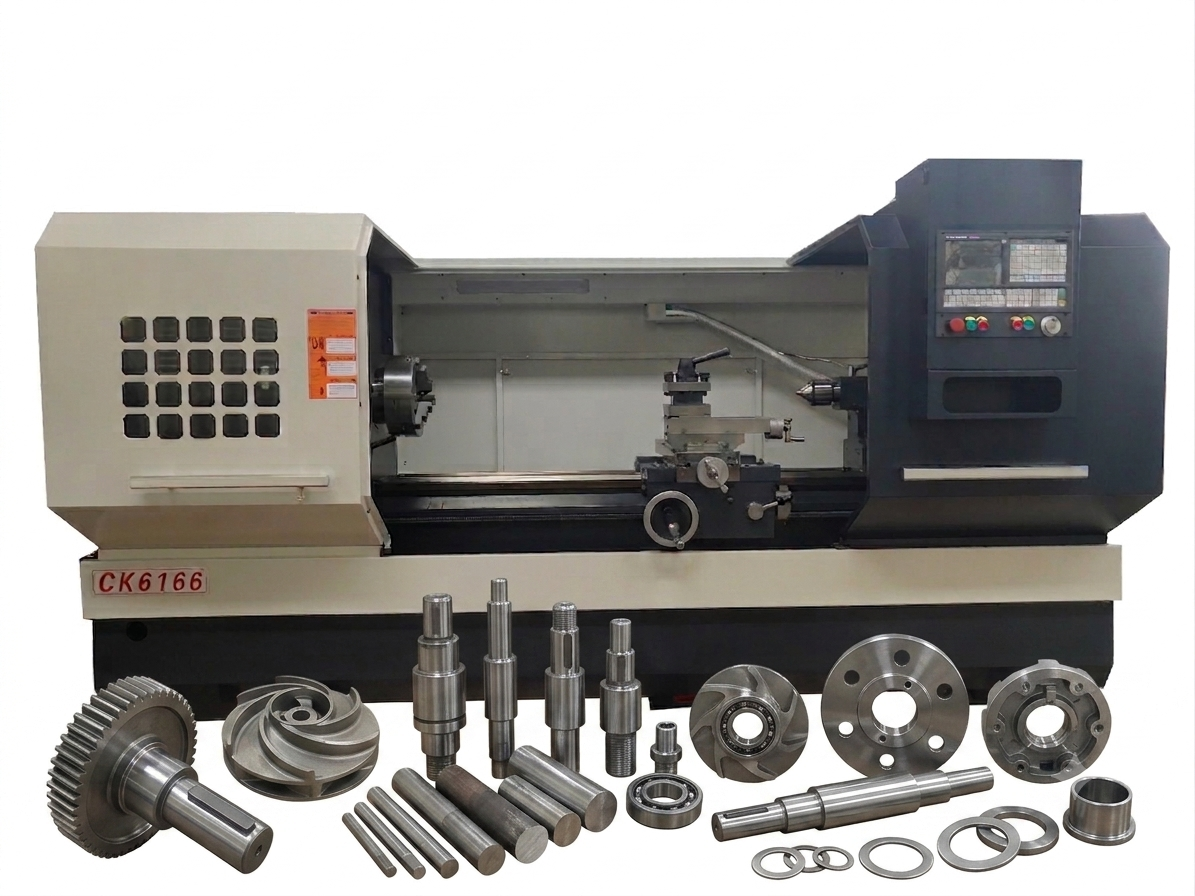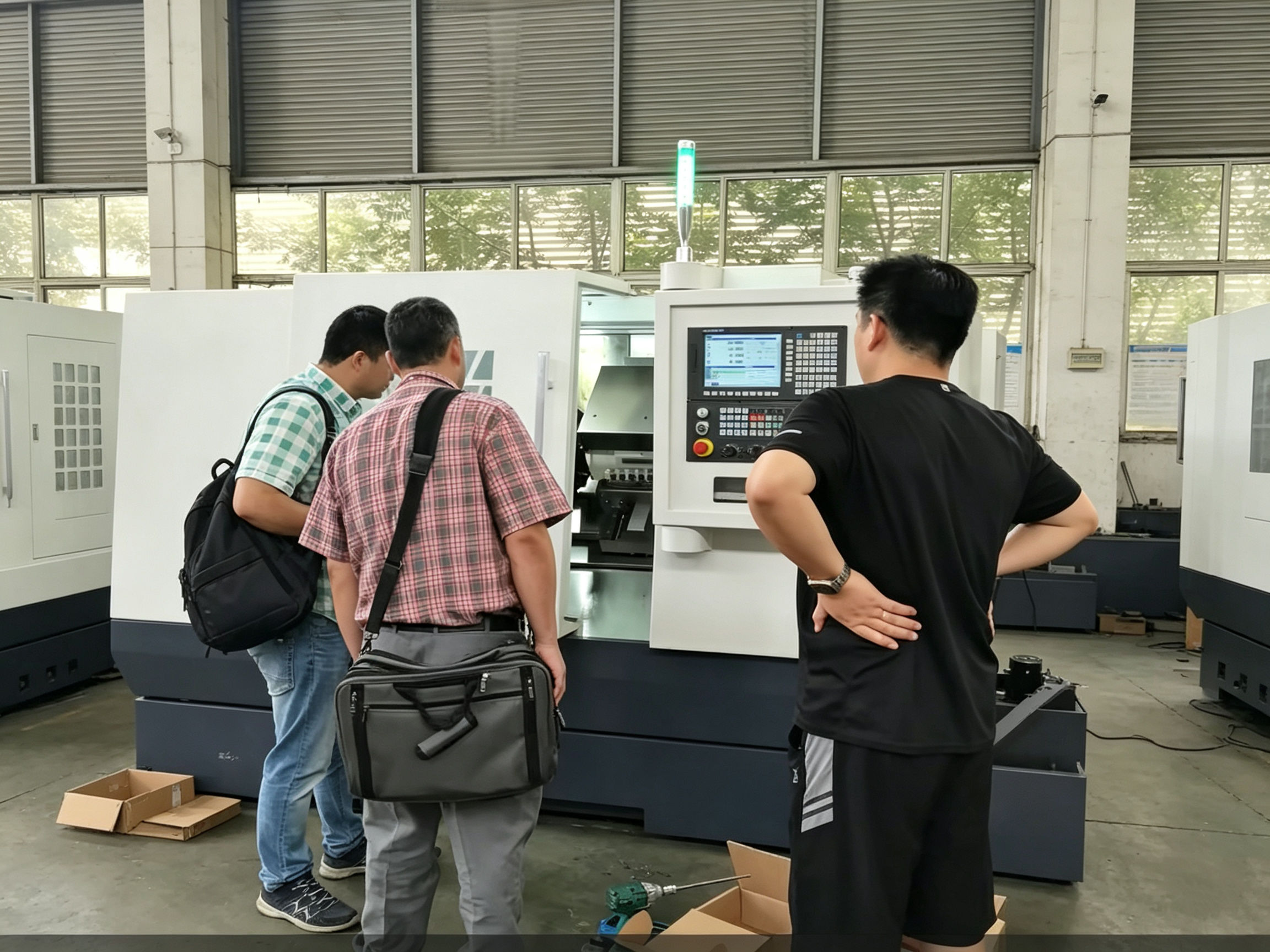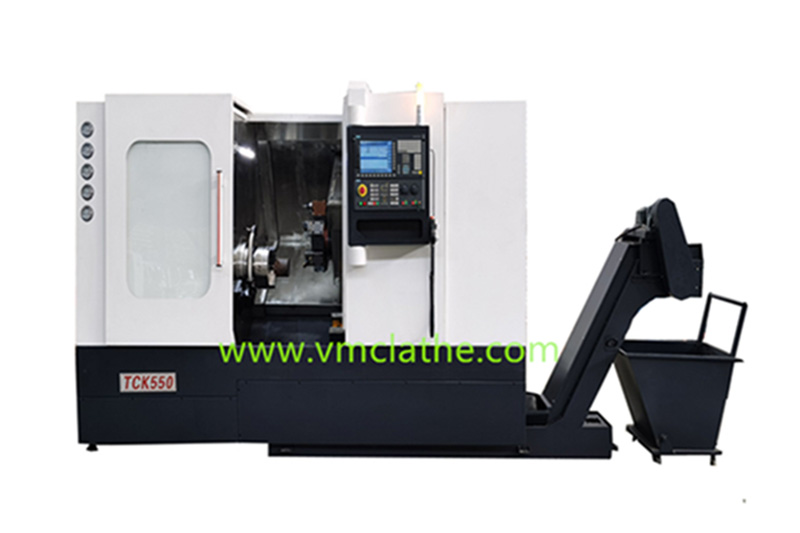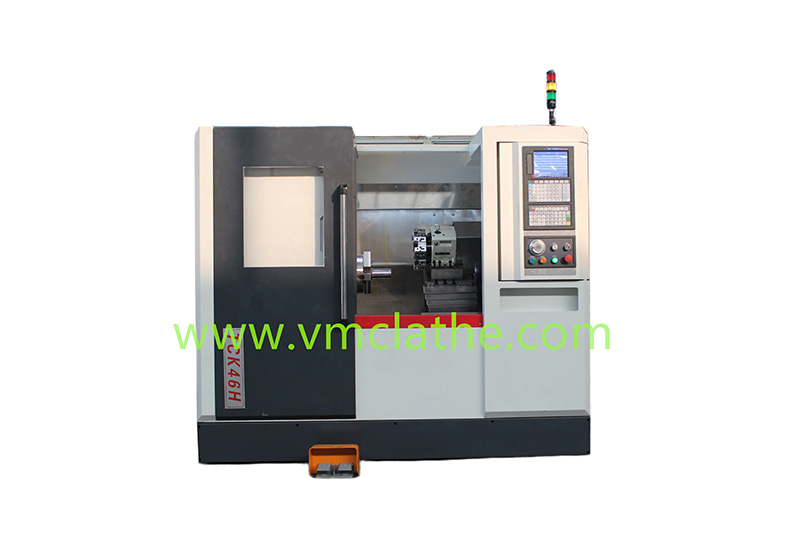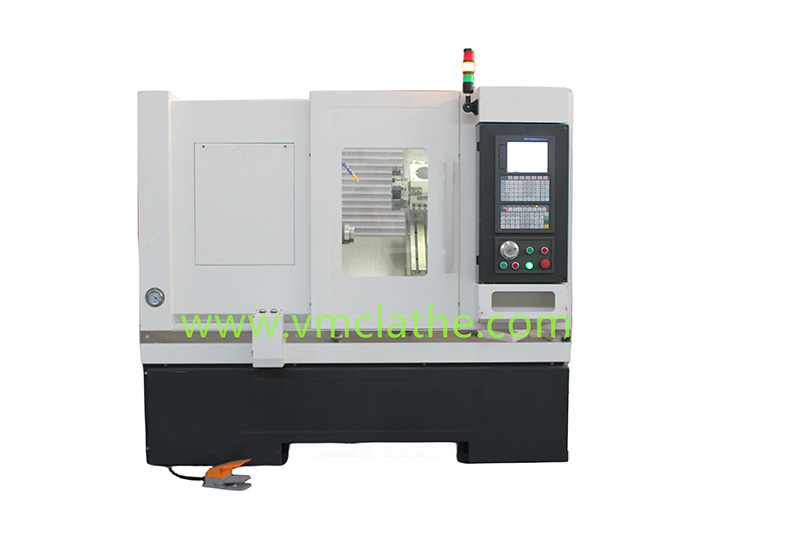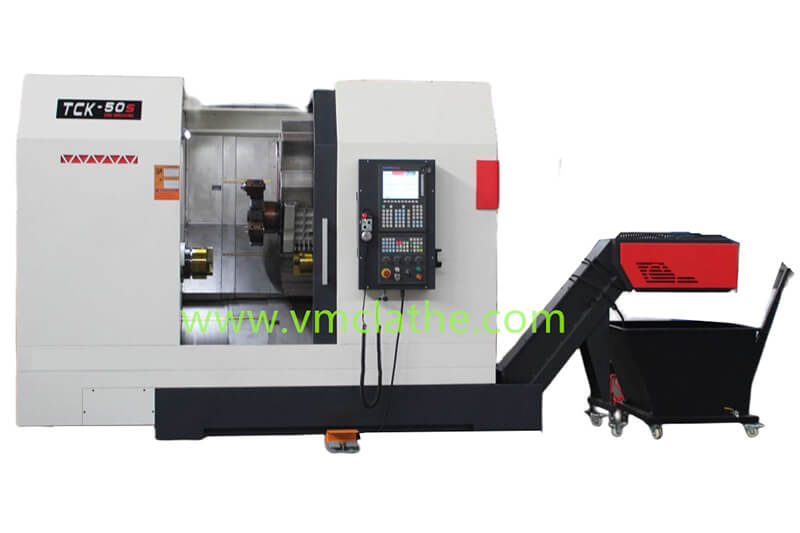
When purchasing a slant bed CNC lathe, one of the most important decisions is choosing the right guideway type. Most modern slant bed CNC lathes are equipped with either linear guideways (LM guides) or box guideways (hard ways).
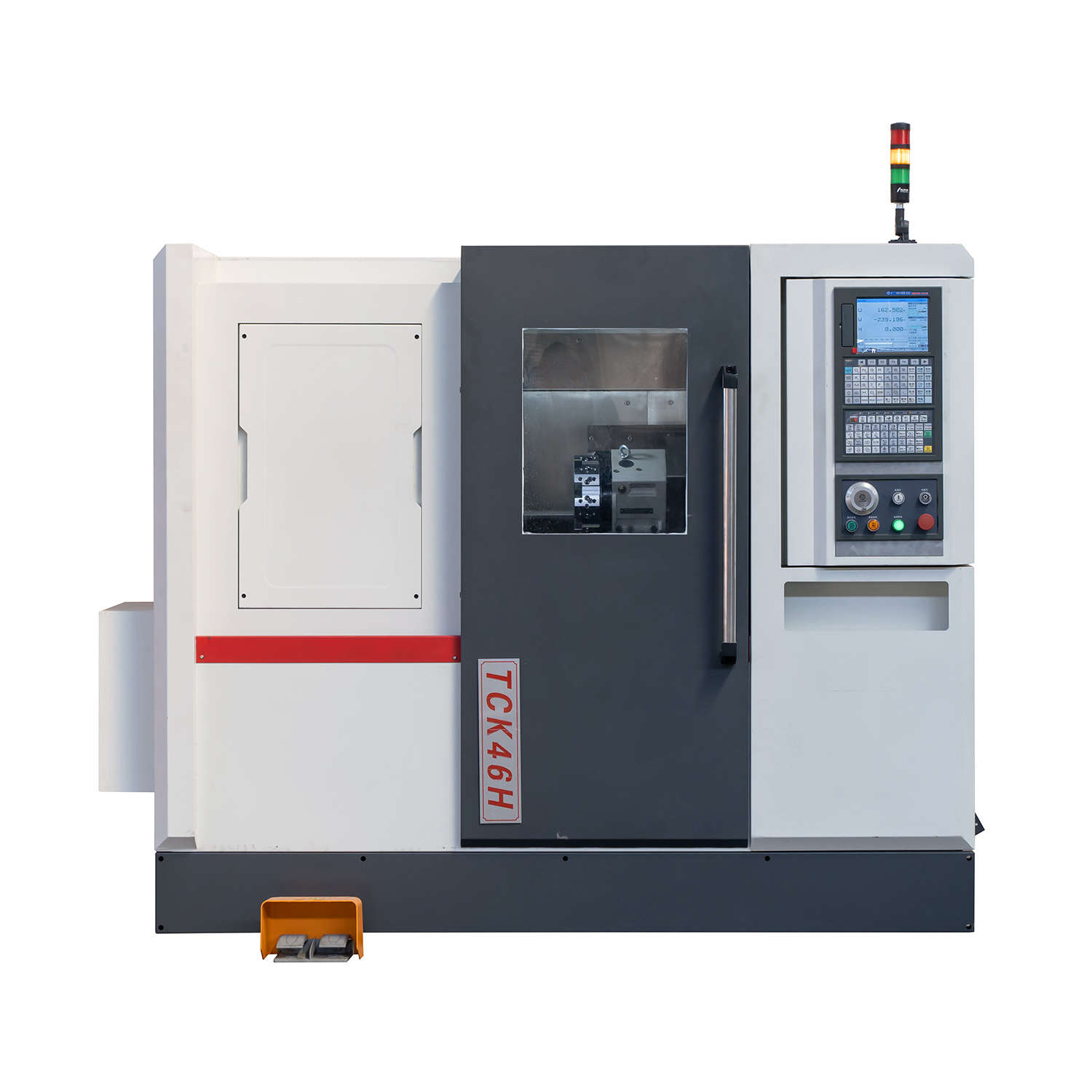
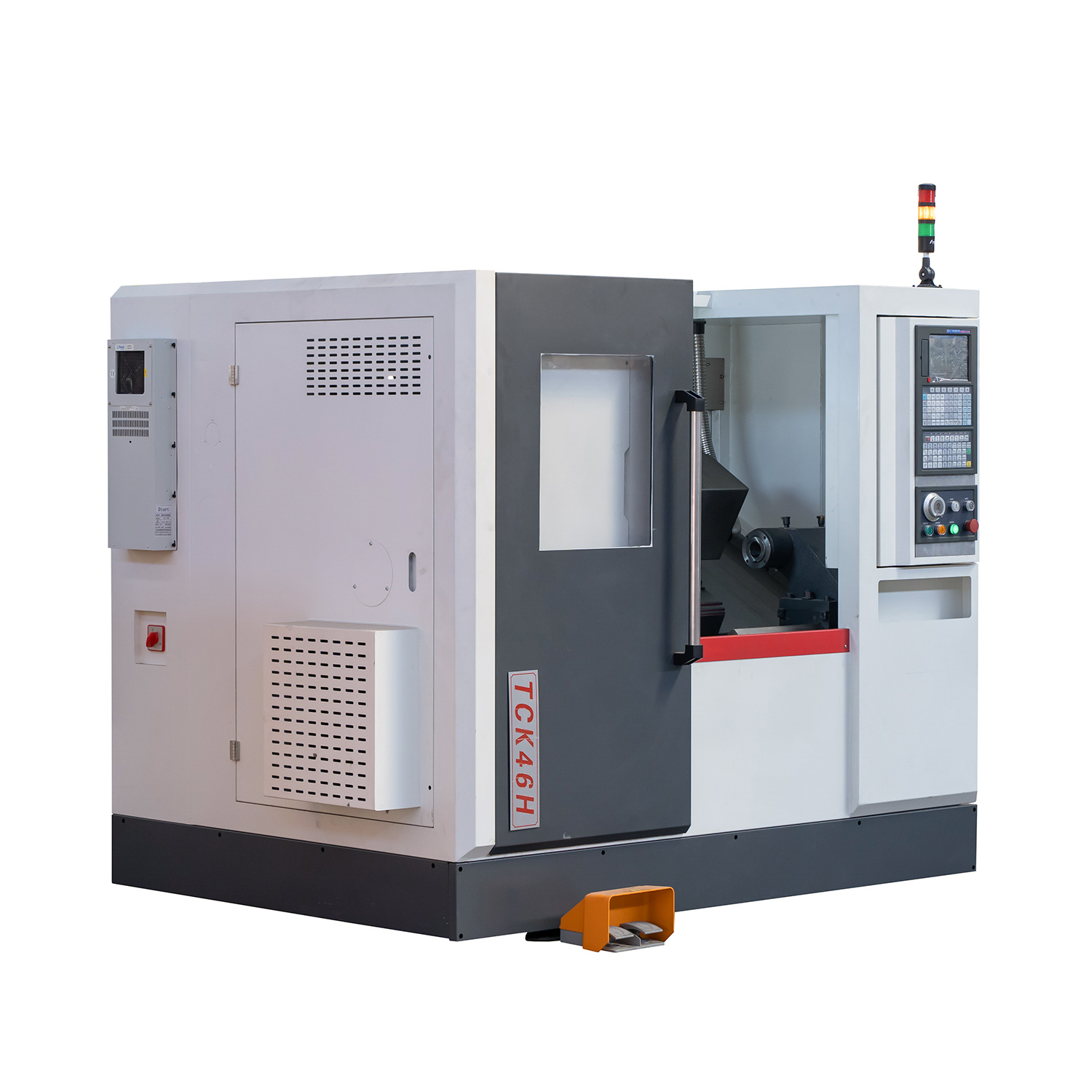
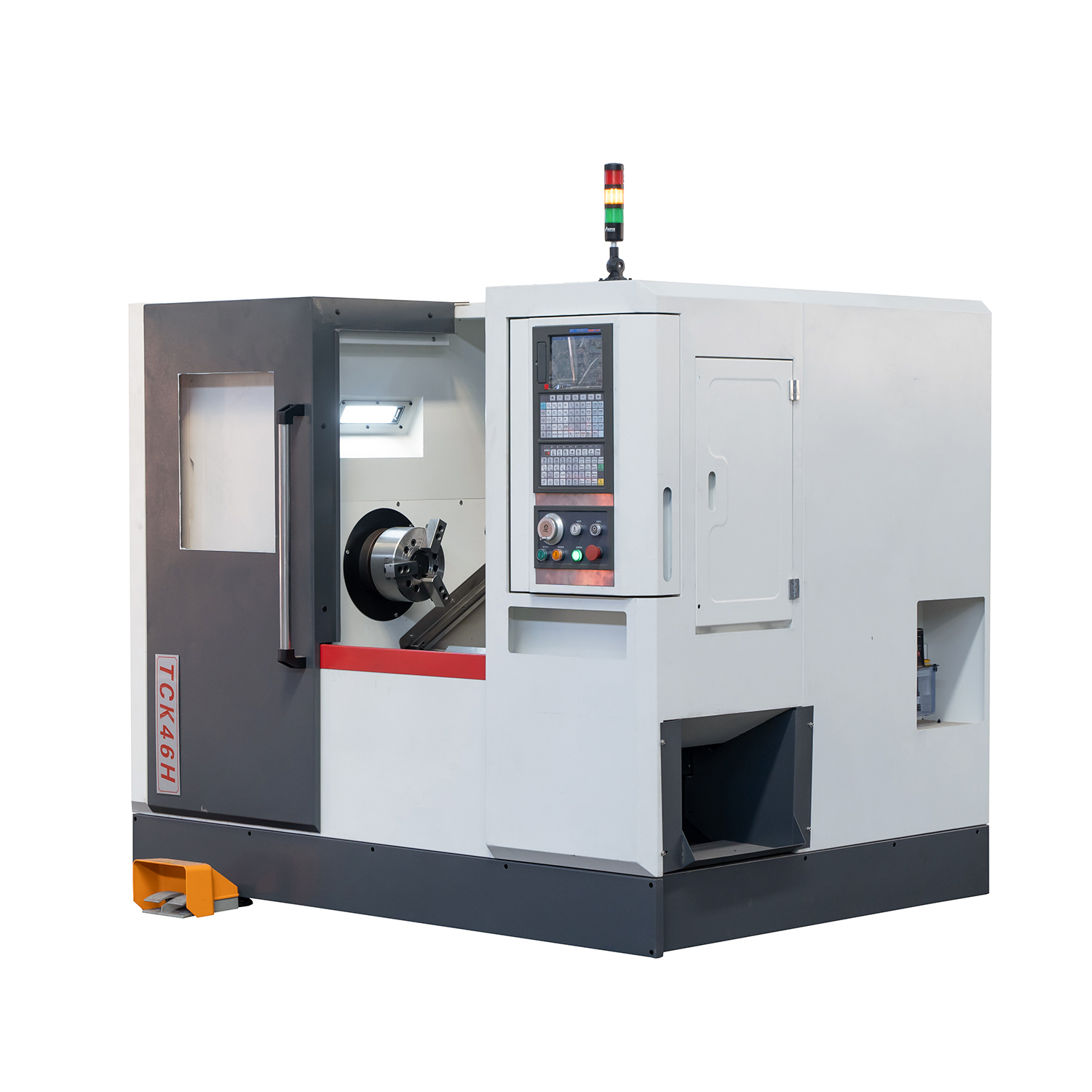
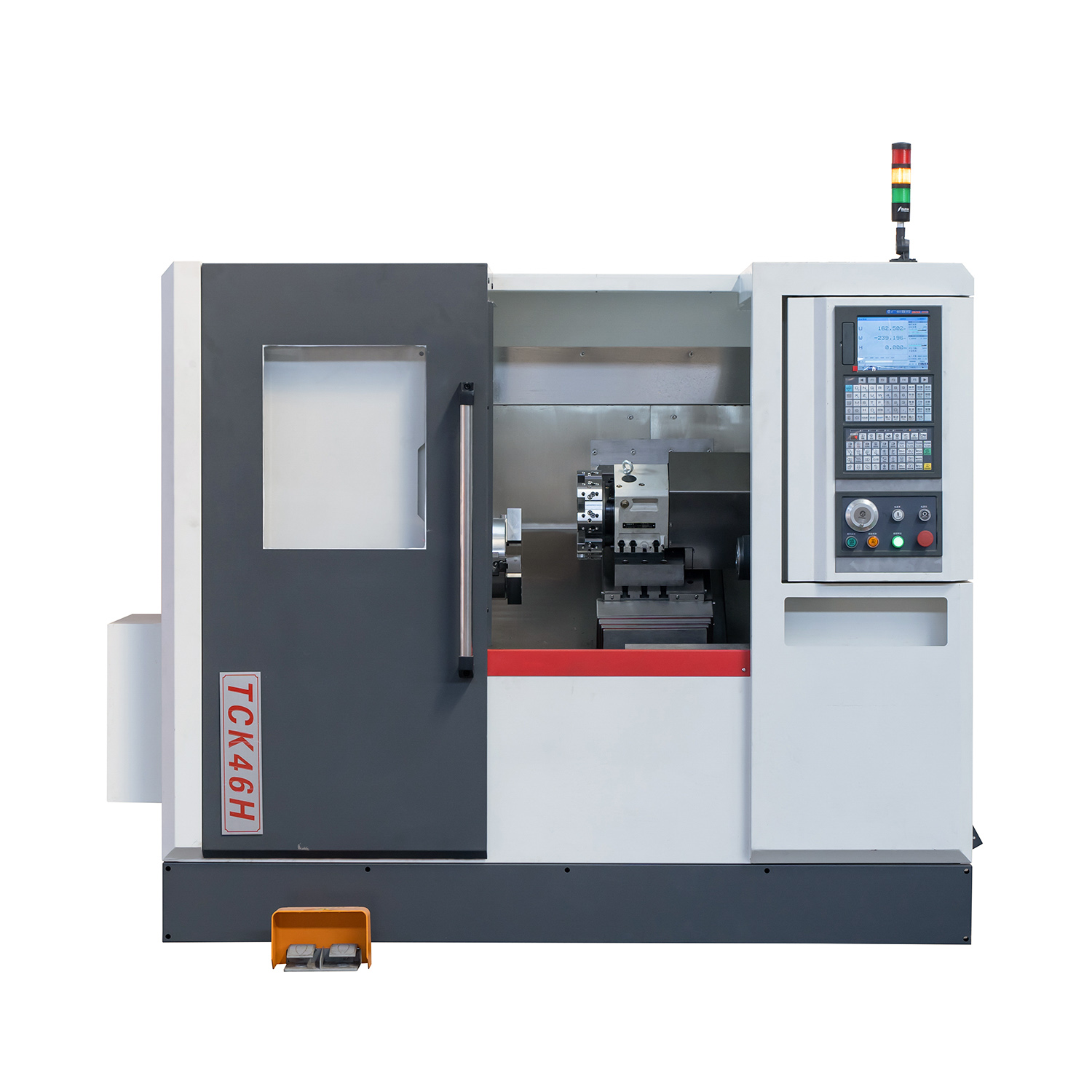
Many buyers focus only on spindle power, chuck size, or machine travel, but the guideway system directly affects machining accuracy, cutting performance, machine rigidity, and long-term productivity.
So, which guideway is better for your application?
Let’s take a closer look.
What Is a Linear Guide Slant Bed CNC Lathe?
A linear guide slant bed CNC lathe uses rolling elements, such as balls or rollers, between the guide rails and carriage.
Because rolling friction is extremely low, linear guide machines offer several advantages:
Advantages of Linear Guideways
- Faster rapid traverse speeds
- Better acceleration and deceleration
- Higher productivity
- Lower energy consumption
- Excellent positioning accuracy
- Smooth movement for precision parts
Linear guide machines are commonly used in:
- Automotive components
- Hydraulic fittings
- Medical parts
- Electronic components
- Precision shafts
- Small and medium-sized batch production
If your primary goal is efficiency and precision, a linear guide slant bed CNC lathe is often the preferred choice.
What Is a Box Way Slant Bed CNC Lathe?
A box way slant bed CNC lathe, also called a hard-way machine, uses large sliding guide surfaces with hand-scraped contact areas.
Compared with linear guides, box ways provide much larger contact surfaces and greater structural rigidity.
Advantages of Box Guideways
- Superior cutting rigidity
- Better vibration absorption
- Excellent stability during heavy machining
- Higher load-carrying capacity
- Longer tool life in heavy-cutting applications
Box way machines are widely used for:
- Large shafts
- Heavy steel components
- Mining equipment parts
- Oil and gas components
- Construction machinery parts
- Large casting machining
For manufacturers performing aggressive roughing operations, a box way slant bed CNC lathe for heavy cutting is often the best solution.
Linear Guide vs. Box Way: Key Differences
| Feature | Linear Guide | Box Way |
| Rapid Traverse Speed | High | Lower |
| Positioning Accuracy | Excellent | Good |
| Cutting Rigidity | Medium | Excellent |
| Vibration Damping | Moderate | Excellent |
| Heavy Cutting Capability | Good | Superior |
| Productivity | High | Medium |
| Maintenance | Easier | More Demanding |
| Suitable Workpieces | Small & Medium Parts | Large & Heavy Parts |
Which Slant Bed CNC Lathe Should You Choose?
Choose a Linear Guide Slant Bed CNC Lathe If:
- You machine small or medium-sized components.
- Production efficiency is important.
- You require high-speed machining.
- You run automated production lines.
- You mainly perform light to medium cutting operations.
Typical industries include automotive, medical, electronics, and precision engineering.
Choose a Box Way Slant Bed CNC Lathe If:
- You machine large workpieces.
- Heavy roughing is common.
- Material removal rates are high.
- You process forged or cast components.
- Maximum rigidity is required.
Typical industries include energy, mining, construction equipment, and heavy machinery manufacturing.
Is One Better Than the Other?
Not necessarily.
Many buyers assume box ways are always stronger or linear guides are always more advanced. In reality, the best choice depends on your application.
For high-speed production of precision components, a linear guide slant bed CNC lathe often delivers the best return on investment.
For demanding heavy-duty machining, a box way slant bed CNC lathe can provide better stability and longer service life.
The key is matching the machine to your actual production requirements.
Final Thoughts
When selecting a slant bed CNC lathe, the guideway system should be evaluated just as carefully as spindle power, turret configuration, or control system.
Linear guide machines excel in speed, efficiency, and precision, while box way machines are designed for rigidity, stability, and heavy cutting performance.
Before making a purchasing decision, consider your workpiece size, material type, cutting depth, production volume, and future machining requirements.
Choosing the right guideway type will help maximize productivity, improve machining quality, and ensure long-term profitability.