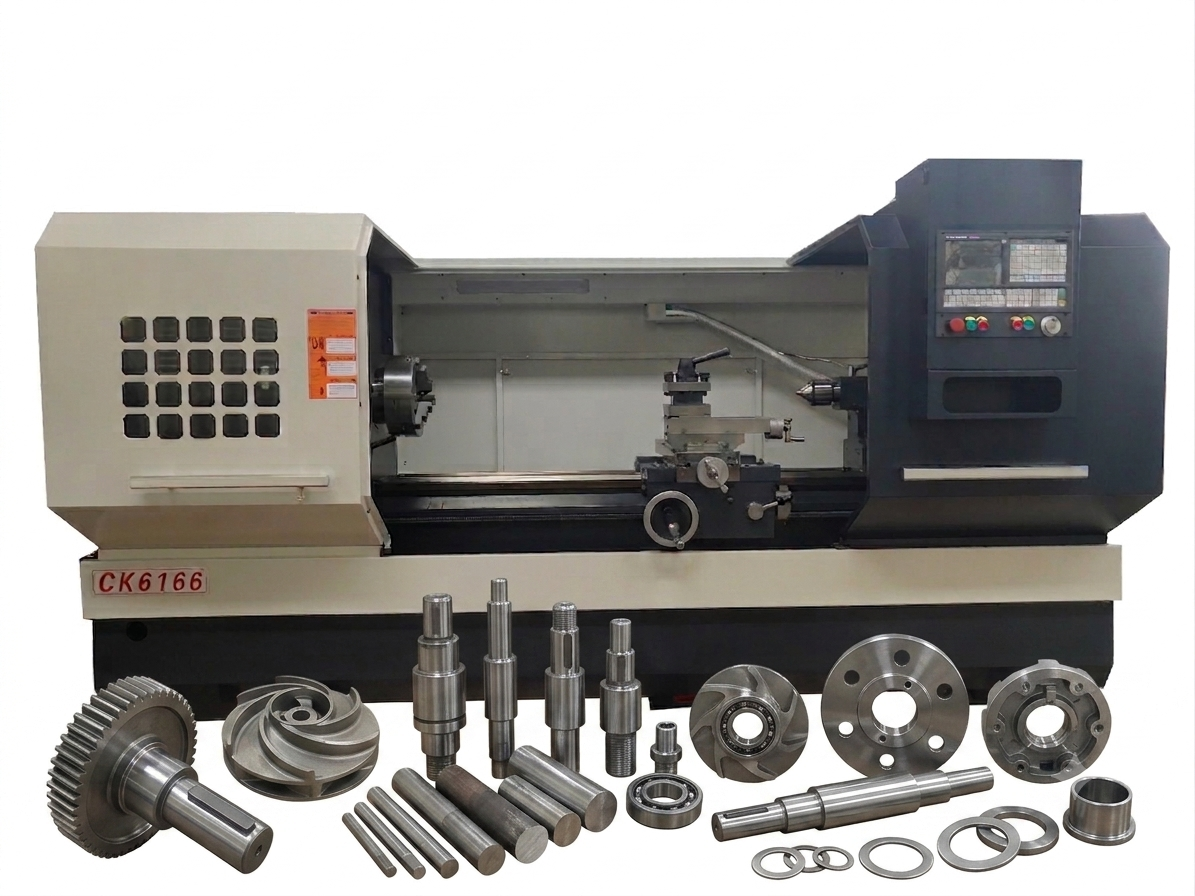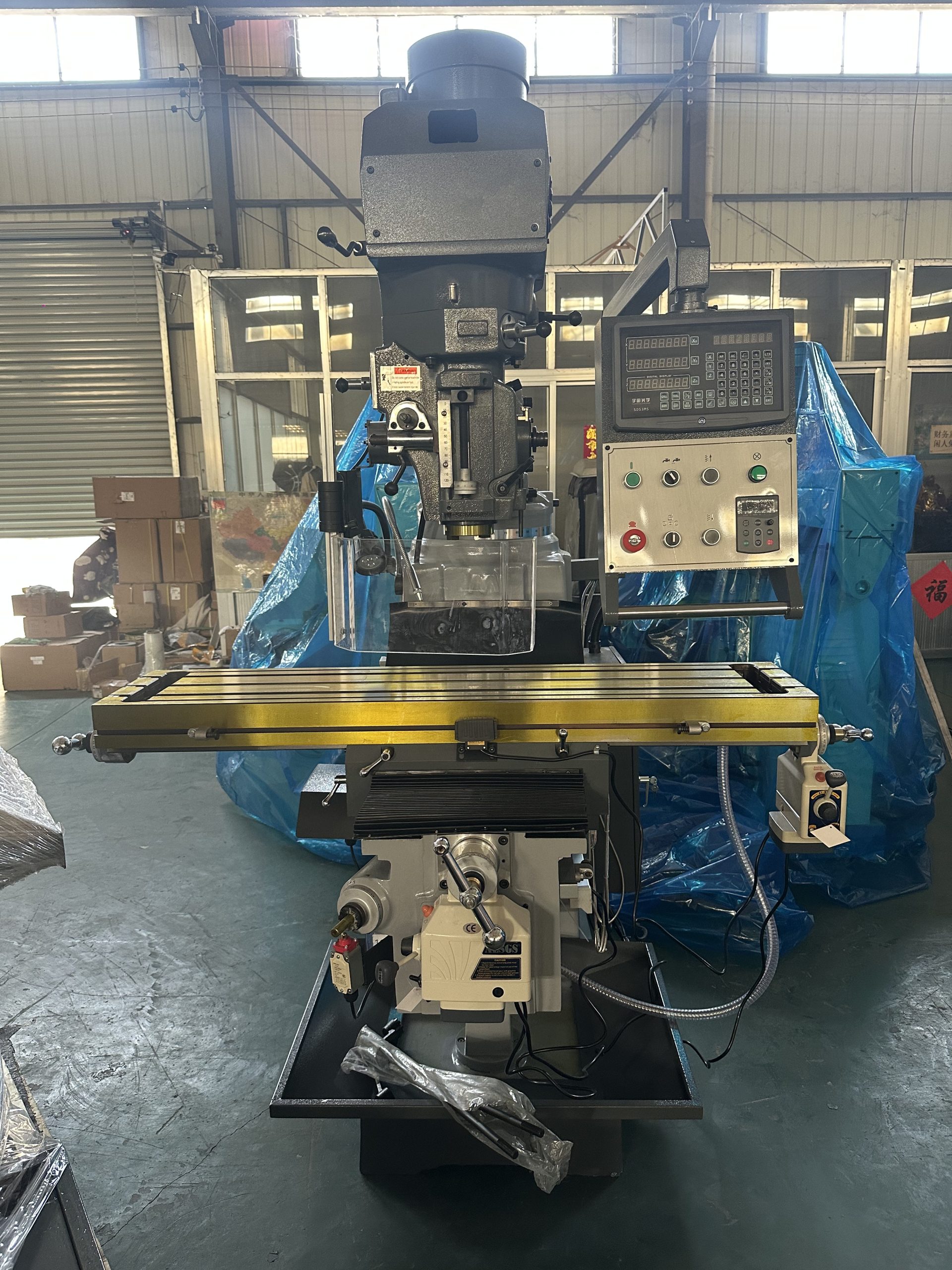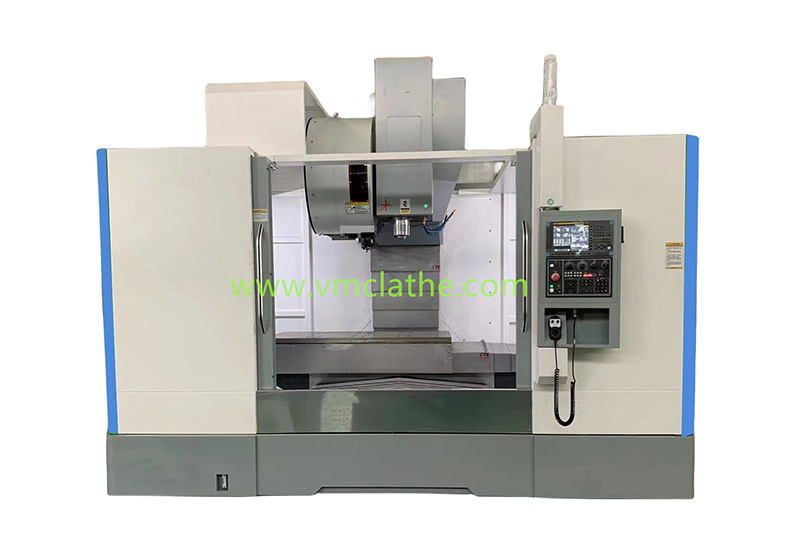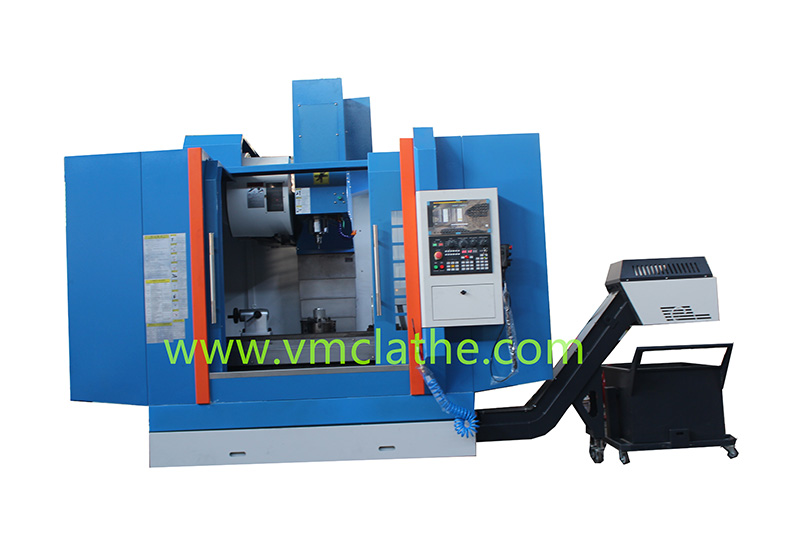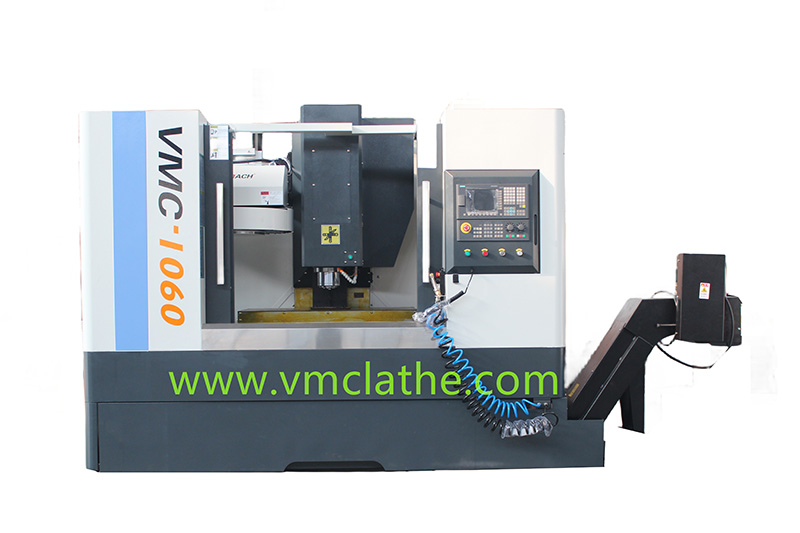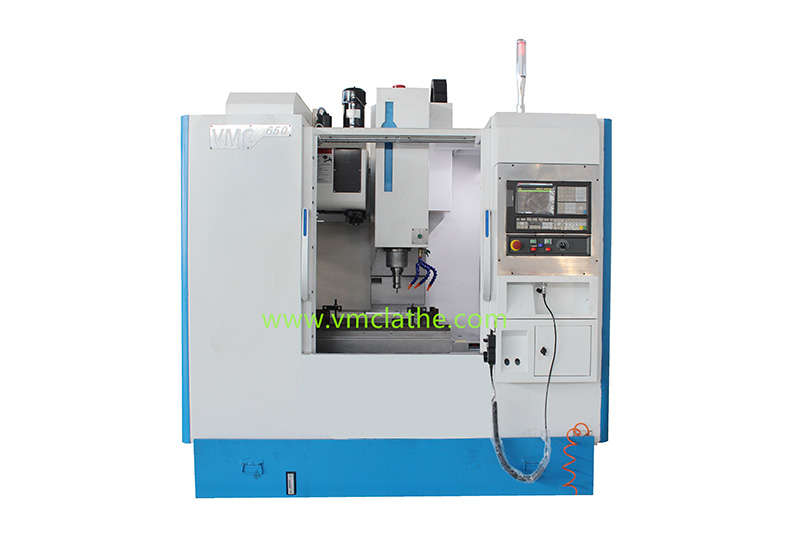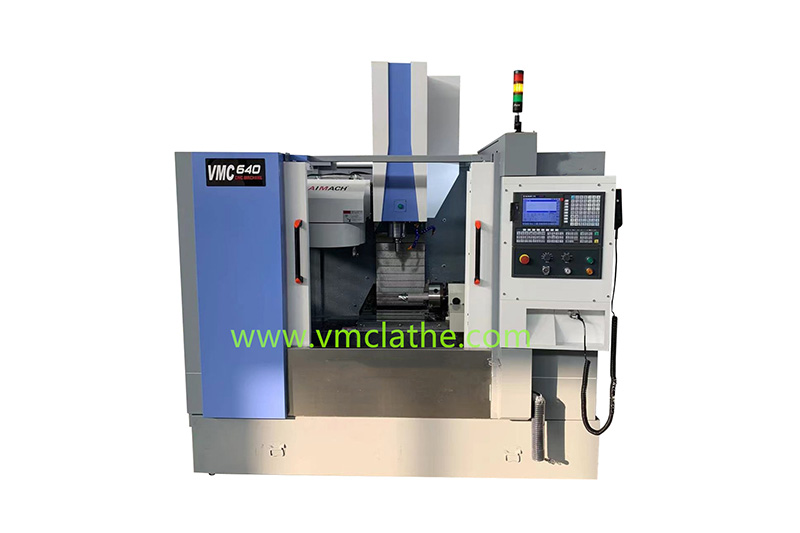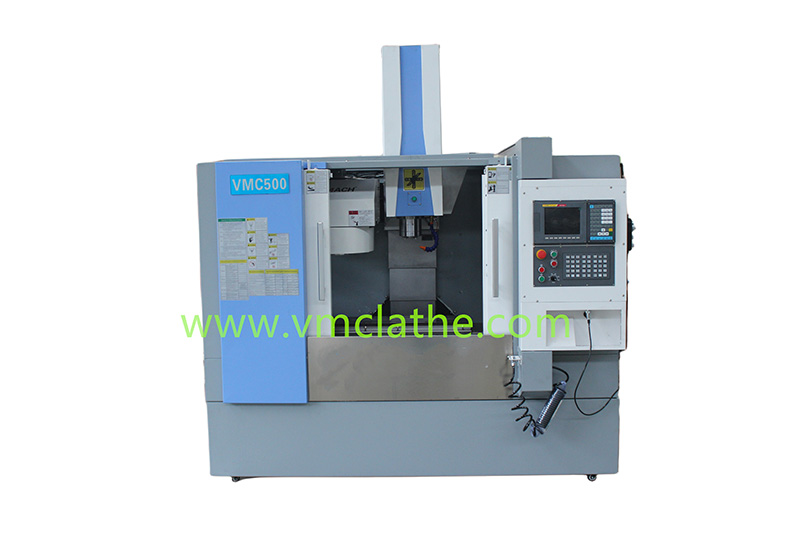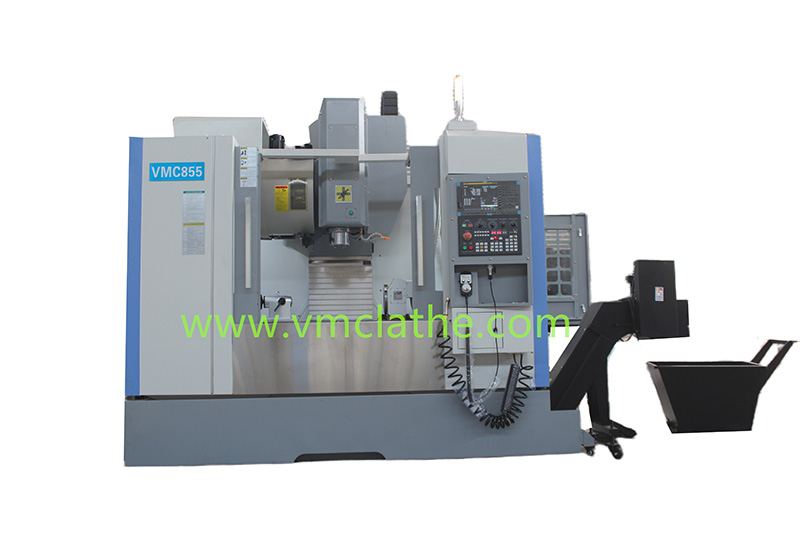
A CNC milling machine is one of the most important pieces of equipment in modern manufacturing. Whether you’re machining aerospace components, automotive parts, molds, or precision mechanical products, machine reliability directly affects productivity and profitability.
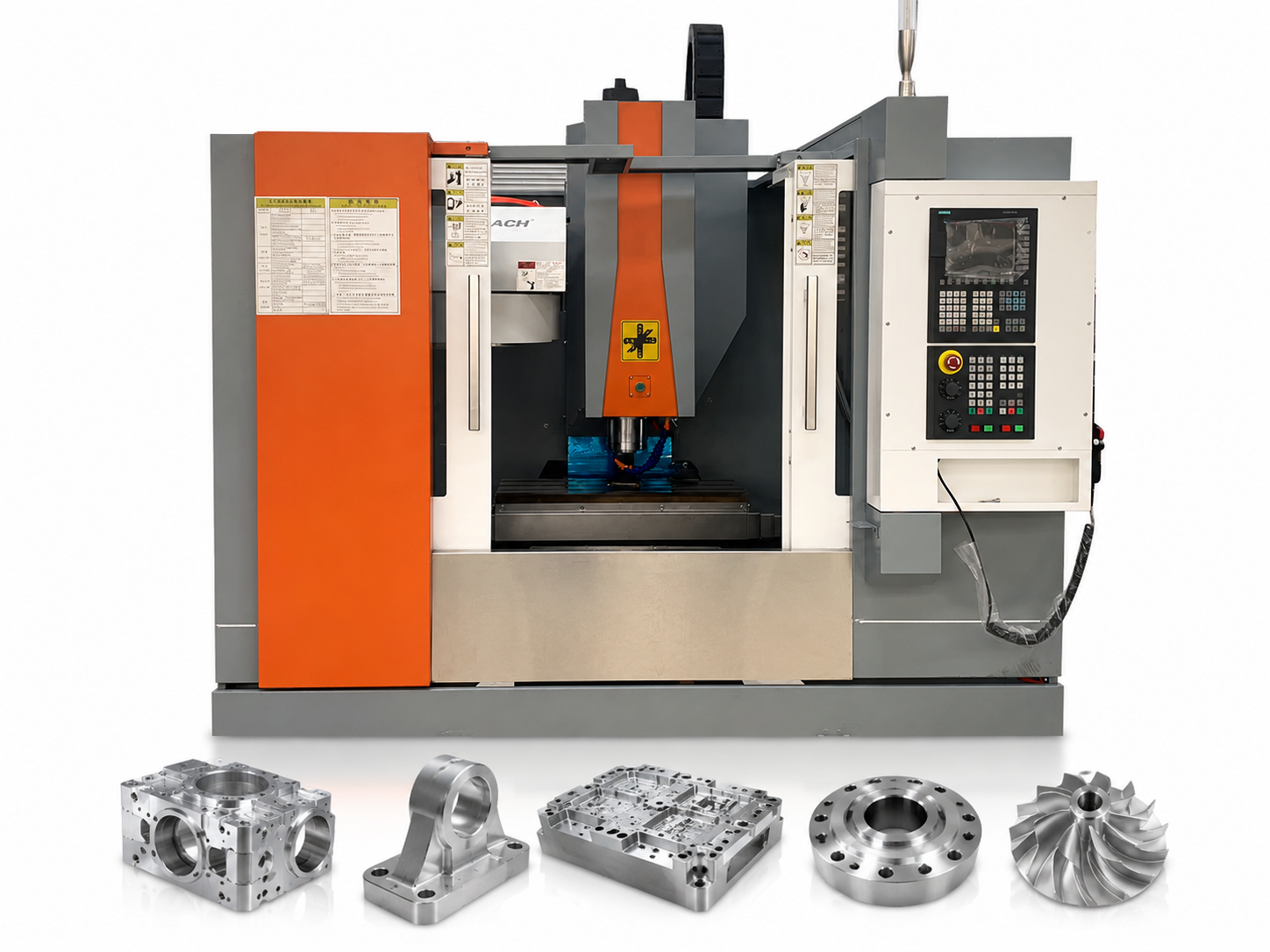
Even high-quality CNC milling machines can experience faults after long-term operation. Understanding common problems, their causes, and effective maintenance methods can help reduce downtime and extend machine life.
In this guide, we’ll discuss the most common
CNC milling machine
faults and provide practical troubleshooting and maintenance tips for operators and maintenance engineers.
- Poor Machining Accuracy
Loss of machining accuracy is one of the most common issues with a CNC milling machine.
Possible Causes
- Loose ball screws or bearings
- Worn linear guideways
- Tool wear
- Improper machine leveling
- Thermal expansion
- Servo parameter deviation
Diagnosis
- Check positioning accuracy with a laser interferometer.
- Measure backlash using a dial indicator.
- Verify spindle runout.
- Inspect machine leveling.
- Perform ball-bar testing if available.
Solutions
- Replace worn tools.
- Adjust backlash compensation.
- Tighten or replace worn mechanical components.
- Re-level the machine.
- Calibrate servo parameters.
- Poor Surface Finish
If finished parts show chatter marks, rough surfaces, or vibration patterns, both mechanical and cutting conditions should be checked.
Common Causes
- Tool vibration
- Dull cutting tools
- Incorrect spindle speed
- Excessive feed rate
- Weak fixture rigidity
- Loose spindle bearings
Solutions
- Use sharper cutting tools.
- Optimize cutting parameters.
- Improve workpiece clamping.
- Reduce tool overhang.
- Check spindle bearing condition.
Proper cutting parameter optimization often improves both productivity and surface quality.
- Spindle Overheating
The spindle is the heart of every CNC milling machine. Excessive heat can seriously reduce spindle life.
Possible Reasons
- Insufficient lubrication
- Cooling system failure
- Overloaded cutting
- Damaged spindle bearings
- Continuous high-speed operation
Maintenance Tips
- Check spindle oil or grease regularly.
- Clean cooling passages.
- Verify coolant circulation.
- Avoid exceeding recommended spindle load.
- Allow adequate warm-up before high-speed machining.
- Automatic Tool Changer (ATC) Failure
ATC faults can stop production immediately.
Typical Symptoms
- Tool cannot be picked up
- Tool drops during exchange
- Magazine rotation error
- Tool position mismatch
Inspection Items
- Air pressure
- Tool magazine sensors
- Pneumatic cylinders
- Tool gripper condition
- Magazine alignment
Regular cleaning of the ATC system significantly reduces failures caused by chips and coolant contamination.
- Servo Alarm or Axis Position Error
Servo alarms are usually related to motion control.
Possible Causes
- Servo motor overload
- Encoder failure
- Loose motor cables
- Mechanical obstruction
- Servo drive malfunction
Troubleshooting Steps
- Check alarm codes.
- Inspect cable connections.
- Verify encoder signals.
- Check machine lubrication.
- Inspect ball screw movement.
- Reset servo parameters if required.
- Excessive Machine Vibration
Machine vibration affects accuracy, tool life, and productivity.
Common Causes
- Poor foundation
- Loose anchor bolts
- Unbalanced tools
- Damaged spindle bearings
- Improper cutting parameters
Solutions
- Improve machine foundation.
- Balance tool holders.
- Reduce cutting depth.
- Replace worn bearings.
- Verify machine rigidity.
- Coolant System Problems
Coolant systems are often overlooked but directly influence machining quality.
Common Problems
- Weak coolant flow
- Pump failure
- Blocked nozzles
- Dirty coolant tank
- Coolant leakage
Preventive Maintenance
- Replace coolant regularly.
- Clean filters weekly.
- Remove chips from the coolant tank.
- Inspect hoses and seals.
- Monitor coolant concentration.
- Lubrication System Failure
Insufficient lubrication causes accelerated wear of guideways and ball screws.
Warning Signs
- Lubrication alarm
- Dry guideways
- Increased friction
- Unusual machine noise
Maintenance Checklist
- Check oil level.
- Verify oil pump operation.
- Inspect oil distribution lines.
- Clean blocked lubrication ports.
- Replace lubrication filters.
Preventive lubrication is much less expensive than replacing worn mechanical components.
Preventive Maintenance Tips for CNC Milling Machines
Many unexpected machine failures can be avoided with a structured preventive maintenance program.
Daily
- Clean chips from the machine.
- Check lubrication status.
- Inspect coolant level.
- Listen for unusual noises.
- Warm up the spindle before production.
Weekly
- Clean the tool magazine.
- Check air pressure.
- Inspect hydraulic systems.
- Verify coolant concentration.
Monthly
- Inspect spindle taper.
- Check machine leveling.
- Test backlash.
- Clean electrical cabinet filters.
Every 6–12 Months
- Calibrate machine accuracy.
- Inspect spindle bearings.
- Check servo motor performance.
- Replace worn seals and hoses if necessary.
Why Preventive Maintenance Matters
A well-maintained CNC milling machine delivers:
- Higher machining accuracy
- Better surface finish
- Longer tool life
- Reduced downtime
- Lower maintenance costs
- Higher production efficiency
Preventive maintenance also extends the service life of expensive components such as spindles, ball screws, guideways, and servo systems.
Conclusion
Every CNC milling machine will eventually experience wear and occasional faults, but most problems can be identified early through proper inspection and preventive maintenance. By understanding common failure symptoms, diagnosing root causes, and following a regular maintenance schedule, manufacturers can maximize machine performance and minimize costly downtime.
Whether you’re operating a vertical machining center, high-speed milling machine, or precision machining center, investing in routine maintenance is one of the most cost-effective ways to improve productivity and protect your equipment investment.